
Power and heat from the gas of a tyre pyrolysis plant
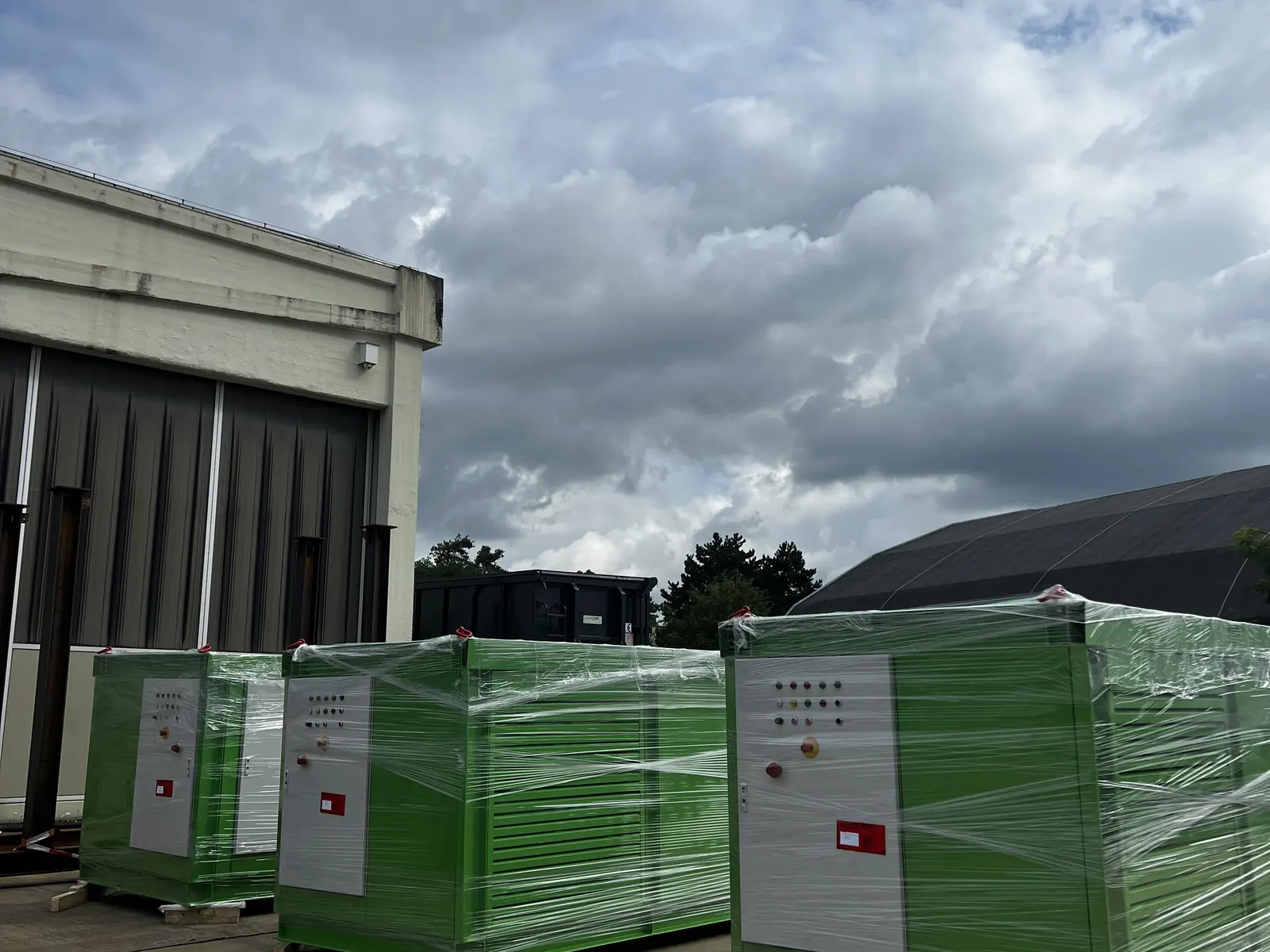
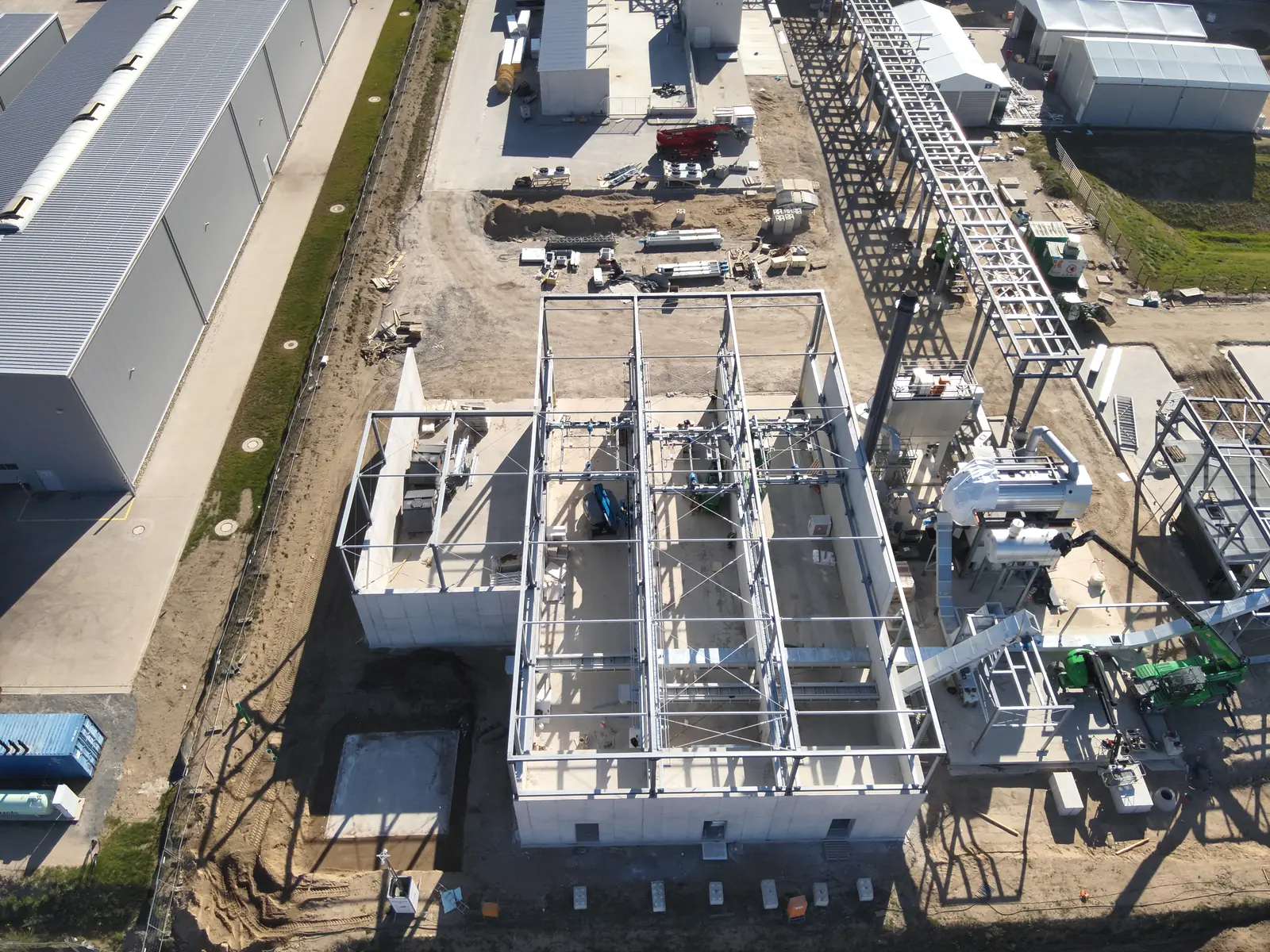
Five ClinX Heat 150 on one central combustion chamber
Project at a glance
| Project type: | Plant |
|---|---|
| Technology: | 5 × ClinX Heat 150 with central E-FloX combustion chamber (5 MW) |
| Client: | Operator of a tyre pyrolysis plant |
| Location: | Saarland |
| Power: | 150 kW gross each |
| Heat: | around 380 kW each, used as local and process heat |
| Implemented by: | ClinX Energy Systems GmbH, pyropower group |
Process gas that would otherwise hardly be usable
Starting point
The pyrolysis of end-of-life tyres produces oil, carbon black and steel as recyclables. In addition, there is a lean gas with a fluctuating composition. It is difficult to use in conventional engines or gas turbines because it can put a strain on components.
Implementation
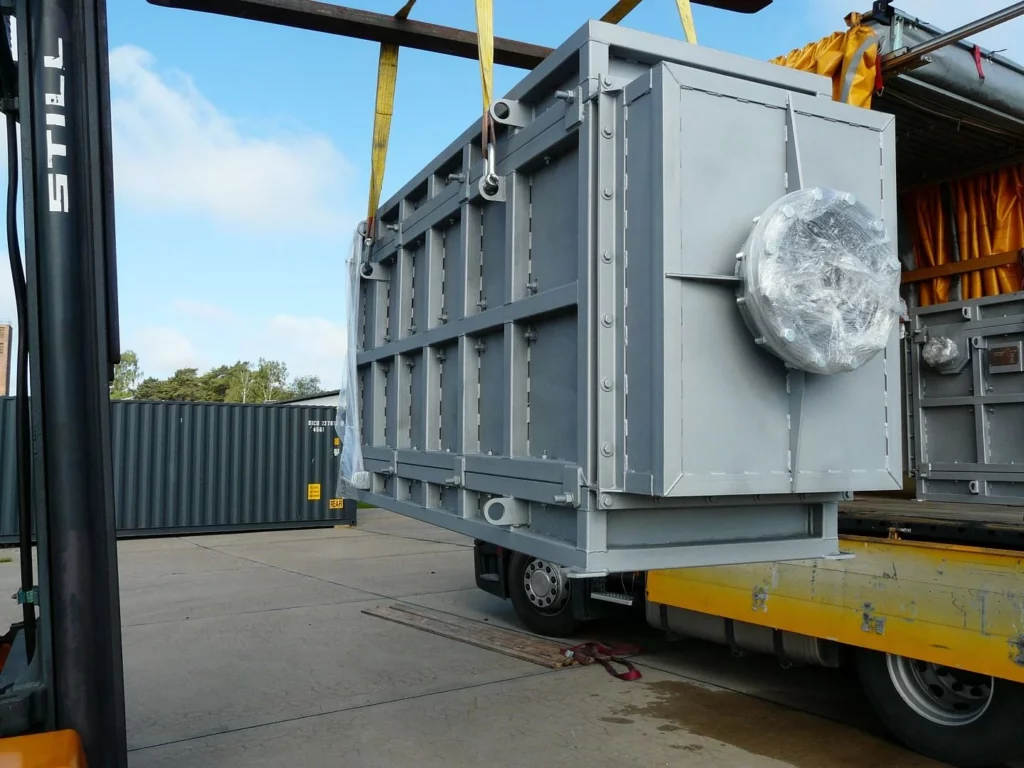
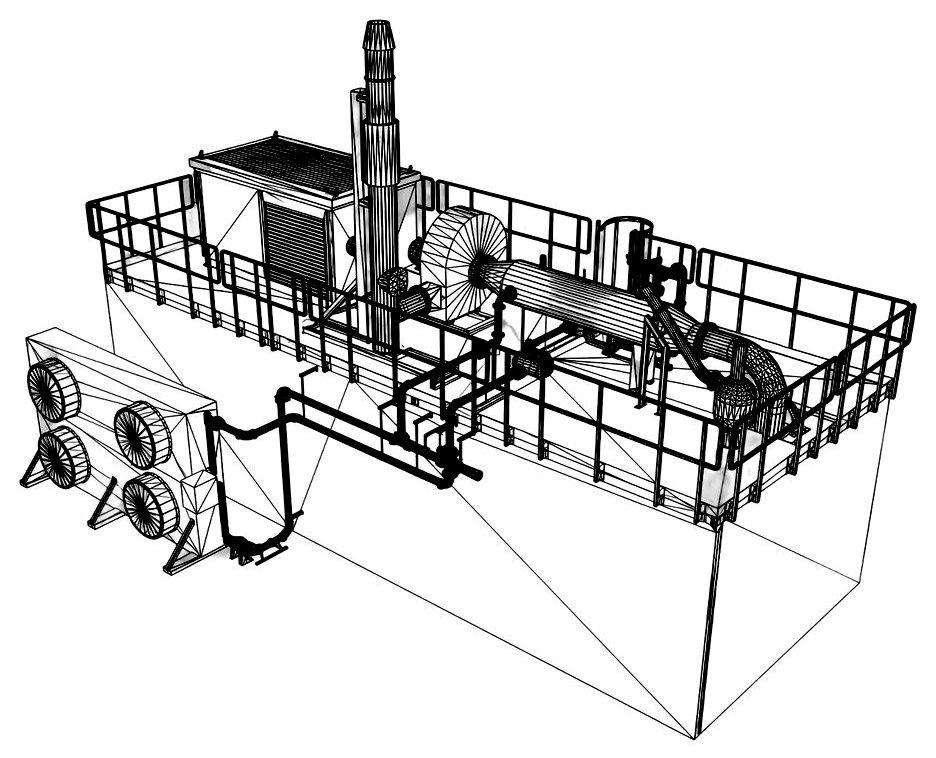
The gas is burned in a central 5 MW combustion chamber that works on the principle of flameless oxidation. Five ClinX Heat 150 are connected to it. Via high-temperature heat exchangers, the heat is transferred to clean, compressed air, which drives the micro gas turbines. The turbines do not come into contact with the process gas itself.
Result
Each plant delivers 150 kW power gross and around 380 kW of heat, which is used on site as local and process heat. All five plants are in operation. The site is a key reference for ClinX Heat on an industrial scale and can be visited by arrangement.
Follow-up project in Greece
For a company from the same group, pyropower is now planning five more ClinX Heat 150 for a tyre pyrolysis plant in Greece.
[ Setup ]
How the project is set up
[ Knowledge ]
Tyre pyrolysis: oil, gas, carbon black and steel
- Pyrolysis oil: around 45 percent of the steel-free rubber
- Solid residue: around 40 percent, processed into recovered carbon black (rCB)
- Pyrolysis gas: 10 to 15 percent
- Steel: around 15 percent of the tyre mass, separated beforehand
A tyre consists mainly of natural and synthetic rubber, industrial carbon black, steel, textile fibres and additives. During pyrolysis, it is heated in the absence of oxygen, usually to 450 to 600 °C. The long polymer chains of the rubber break down into smaller molecules.
Part of this condenses on cooling into pyrolysis oil, which can be used as a raw material or fuel. What remains is a solid residue of the original carbon black and newly formed coke, which is processed into recovered carbon black (rCB) and used again in rubber and plastic products. The steel from the carcass can be separated magnetically and recycled.
The non-condensable components form the pyrolysis gas, a mixture of hydrogen, methane, other short-chain hydrocarbons, carbon monoxide and carbon dioxide. Because tyres are vulcanised with sulphur, it also contains hydrogen sulphide. Its composition varies with the feedstock and process control. This is exactly why it is burned outside the turbines in this project.
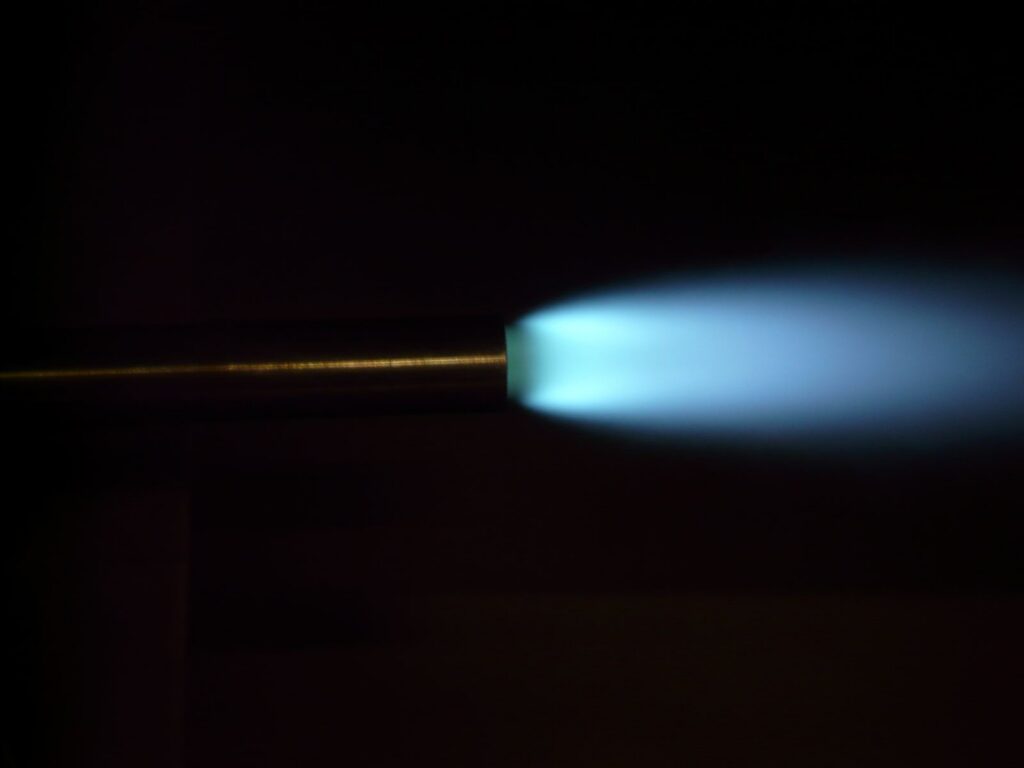 From the blogFLOX: flameless oxidation for pyrolysis gasRead more ›
[ Technology ]
ClinX Heat 150
Power and heat from high-temperature waste heat from 900 °C: a heat exchanger transfers the heat to clean air, which drives an externally fired micro gas turbine.
150 kW power gross · max. 450 kW heat
[ References ]
Latest projects
Biochar production at an industrial site in Mecklenburg-Western Pomerania
Three Pyro-ClinX 150 plants produce power, heat and biochar from industrial wood residues at an industrial site in Mecklenburg-Western Pomerania.

PyroPark Forst
PyroPark Forst is being developed in Lusatia as an integrated energy site that converts woody residues into electricity, usable heat, biochar and certified carbon removal.

ClinX Heat Power Generation from a Carbonization Plant in Darmstadt
ClinX Heat uses high-temperature energy from an existing carbonization plant to generate additional electricity on site.
 info@pyro-power.com
 +49 355 866 870 82
 pyropower GmbH