
Applications
Own energy for industry, wood processing and municipalities
[ Overview ]
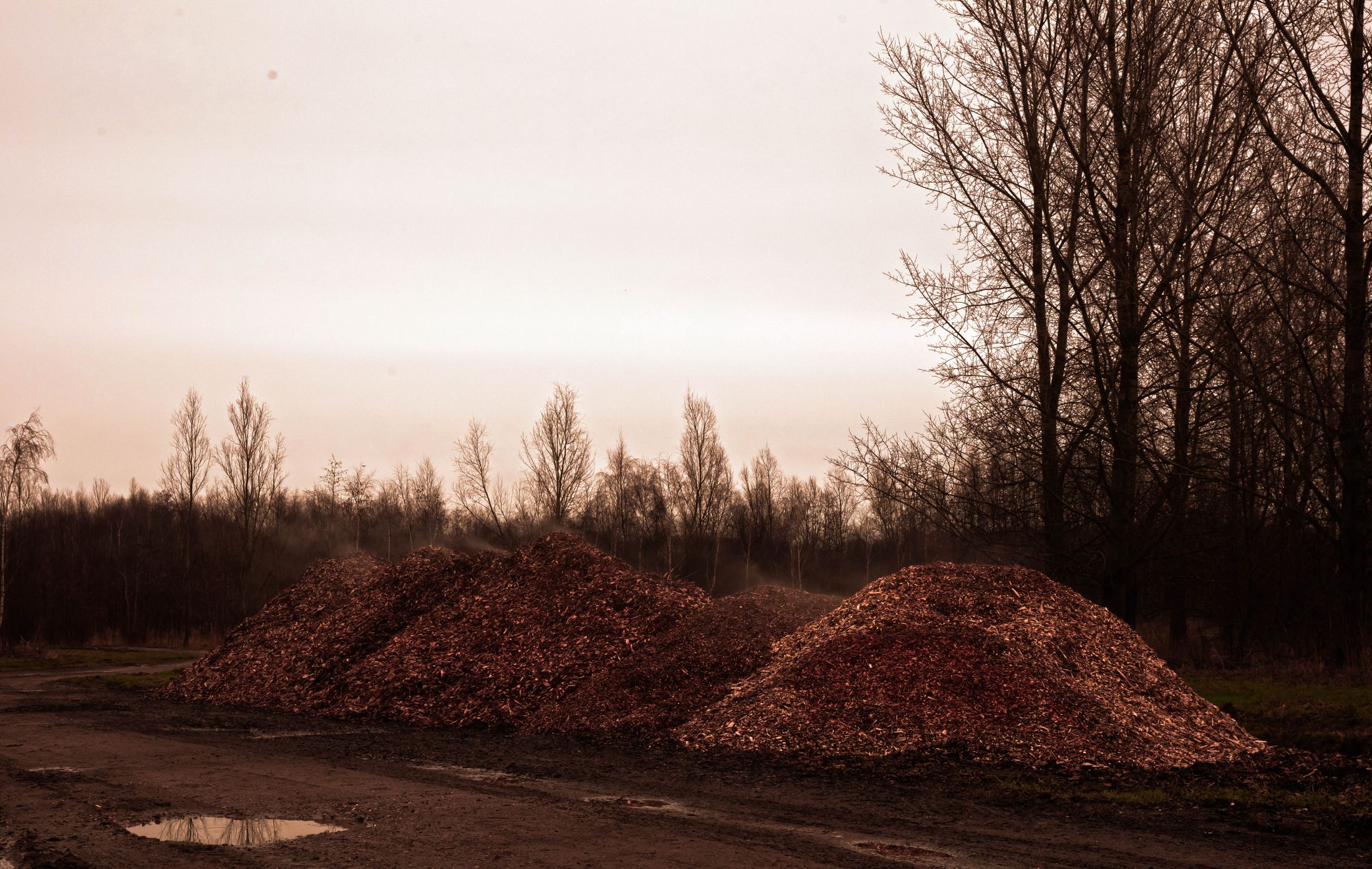
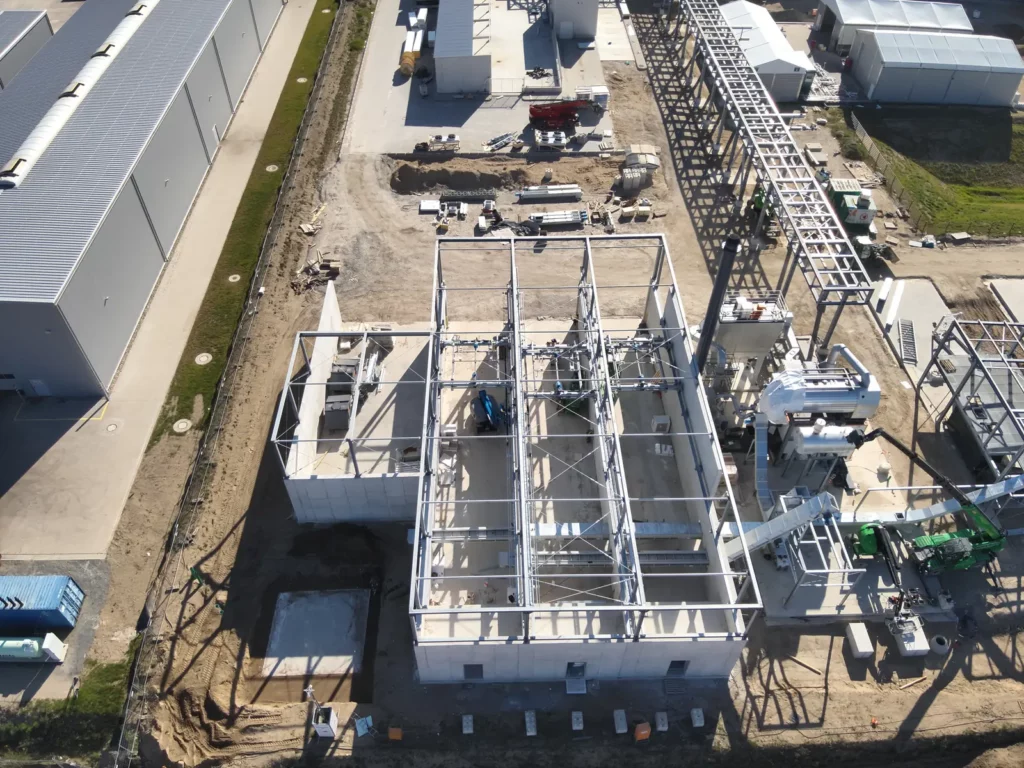
Every site needs energy differently. Some need power and heat, some mainly heat, others have hot waste heat to spare. Woody residues or existing waste heat become your own energy, around the clock.
[ Fields of application ]
Where own energy from residues fits
Industry and process heat
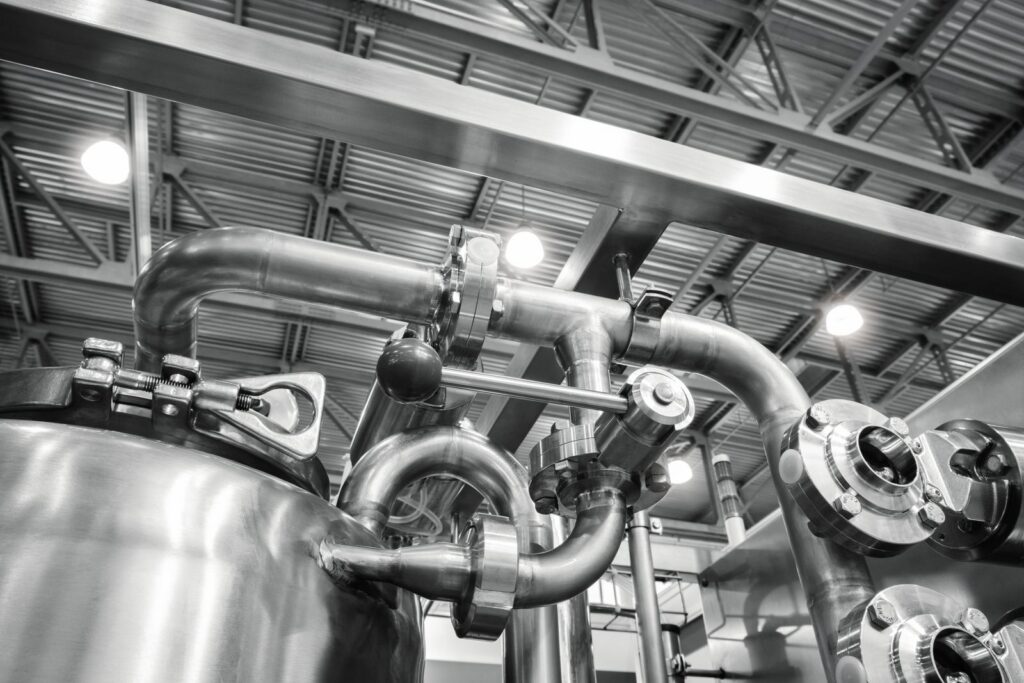
Base load for processes, halls and drying, from residues or from waste heat.
Heating networks and municipalities
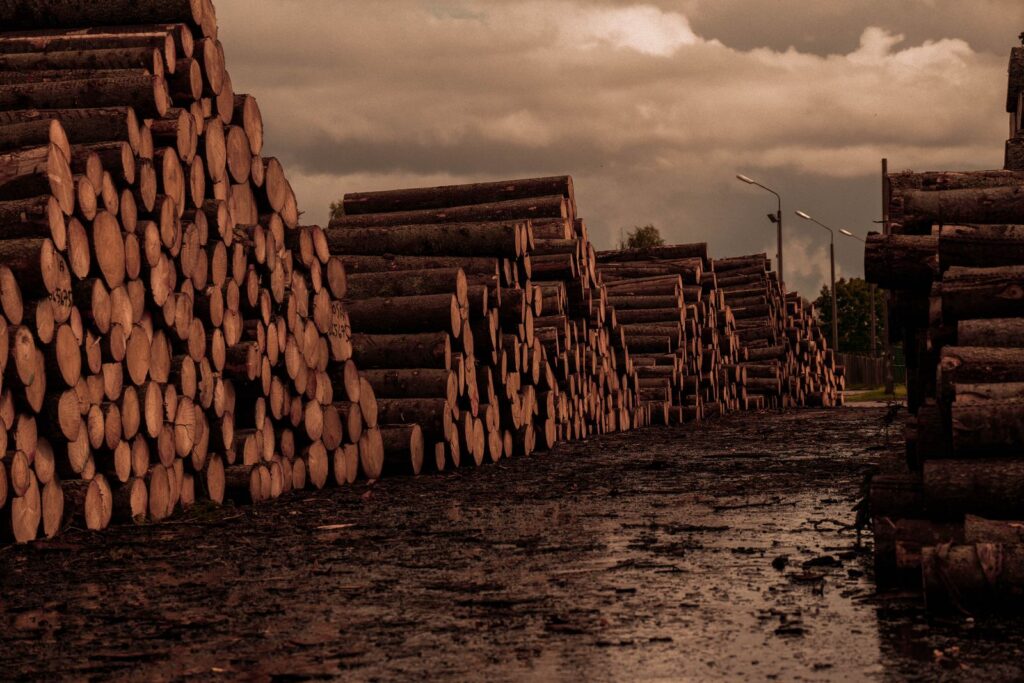
Base-load heat from tree cuttings and landscape maintenance wood, predictable all year round.
[ Technology ]
Which technology fits which purpose
The choice depends on what the site needs and which heat source is available.
[ Power and heat ]
What for
Own power and heat for processes, halls and heating networks, around the clock.
Why
The externally fired micro gas turbine turns the heat of the burned pyrolysis gas into power, and the remaining heat is extracted. Biochar is produced as an additional valuable product.
[ Mainly heat ]
What for
Process heat, drying, greenhouses and heating networks with high heat demand.
Why
Up to 990 kW of heat from woody residues, without power generation. The biochar binds carbon for the long term.
[ Hot waste heat ]
What for
Power and heat from waste heat at 900 to 1,000 °C, for example from furnaces and high-temperature processes.
Why
No additional fuel and no intervention in the main process: the plant connects to the existing hot gas stream.
Own residues and own power demand are not a prerequisite: we source the fuel from the region, and power can be fed into the grid.
[ Further applications ]
Agriculture and waste heat
[ Agriculture and horticulture ]
Heat for greenhouses and farms
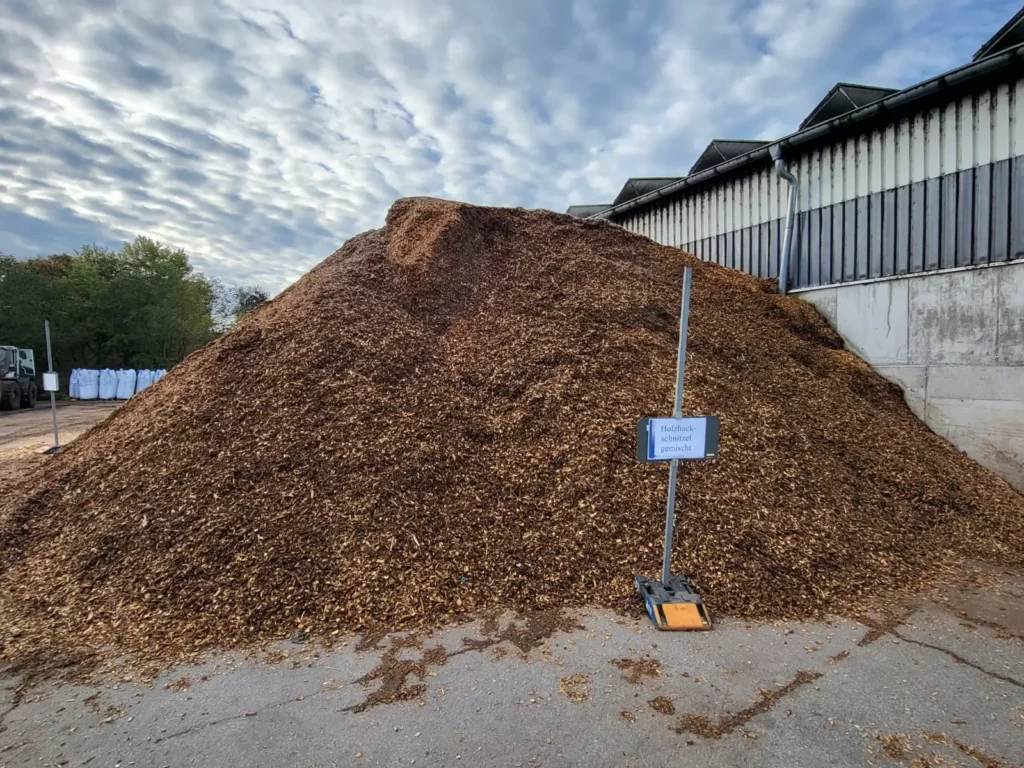
Greenhouses and farms often need heat for many months. It comes from residues produced on the farm or in the region.
› Residues from landscape maintenance, fruit growing and viticulture
› Heat for greenhouses, barns and drying
› Biochar for your own soil or for sale
[ Waste heat ]
Power from hot waste heat
Where processes release waste heat at 900 to 1,000 °C, it becomes power and usable heat, without additional fuel.
› Glass, ceramics and bricks
› Metalworking and foundries
› Cement, lime and chemicals
[ FAQ ]
Frequently asked questions about applications
01 Which businesses is a pyrolysis plant suitable for?
For sites that need heat, or power and heat, all year round: industrial companies with process heat, wood-processing companies, municipalities, public utilities and heating networks, as well as horticulture and agriculture.
02 Which plant suits which need?
Pyro-ClinX 150 generates power, heat and biochar from woody residues. Pyro-Hex 315 is designed for heat up to 990 kW and biochar, without power generation. ClinX Heat generates power and heat from existing high-temperature waste heat.
03 Do we need our own residues?
Your own wood residues reduce fuel costs but are not a prerequisite. If you have no source of your own, we source the fuel from the region.
04 Do we have to use the power ourselves?
Power from the Pyro-ClinX system can be used on site or fed into the grid. Your own power demand is not a prerequisite.
05 What happens to the biochar?
You use the biochar yourself or sell it. On request, we handle the sale of biochar and CO₂ certificates.
06 How do we find out which plant fits?
In a free initial consultation, we clarify your requirements, fuel and site. In the pre-project phase, we assess technology and economic viability with your figures.
 info@pyro-power.com
  +49 355 866 870 82
  pyropower GmbH