
A heat concept for a predictable, regional supply
Municipal heat concept for a municipality in Lusatia
Project at a glance
| Project type: | Concept |
|---|---|
| Subject: | Municipal heat concept |
| Client: | Municipality |
| Location: | Lusatia, Brandenburg |
| Content: | Heat demand, regional energy sources and steps for the transition |
| Use: | municipal heat supply |
| Implemented by: | ClinX Energy Systems GmbH, pyropower group |
A heat concept for the municipality
Starting point
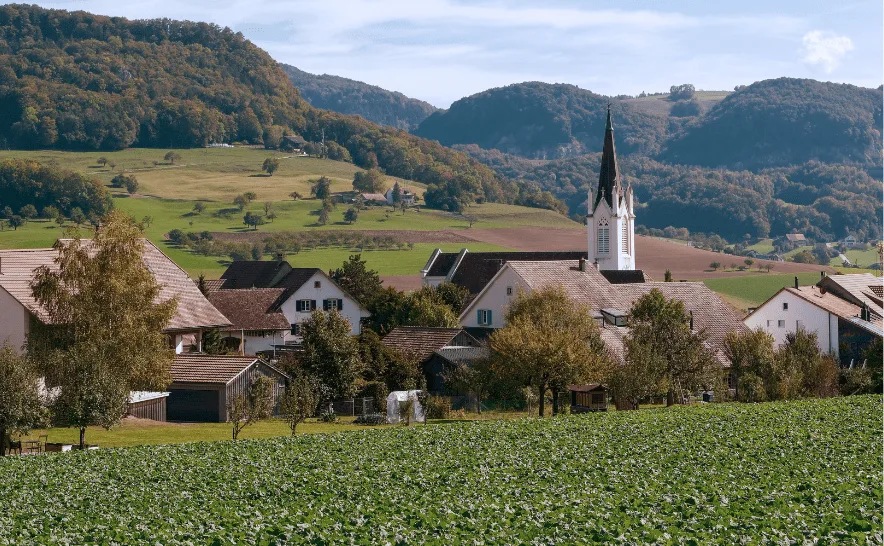
A municipality in Lusatia wanted to make its heat supply more predictable and more regional. The aim was a concept that shows how heat can be provided reliably in future using energy from the region.
Implementation
The group of companies developed a municipal heat concept for the municipality. It looks at heat demand, possible energy sources from the region and the steps with which the supply can be converted.
Result
The concept is the basis for the municipality’s further decisions on its municipal heat supply.
Regional energy as a building block
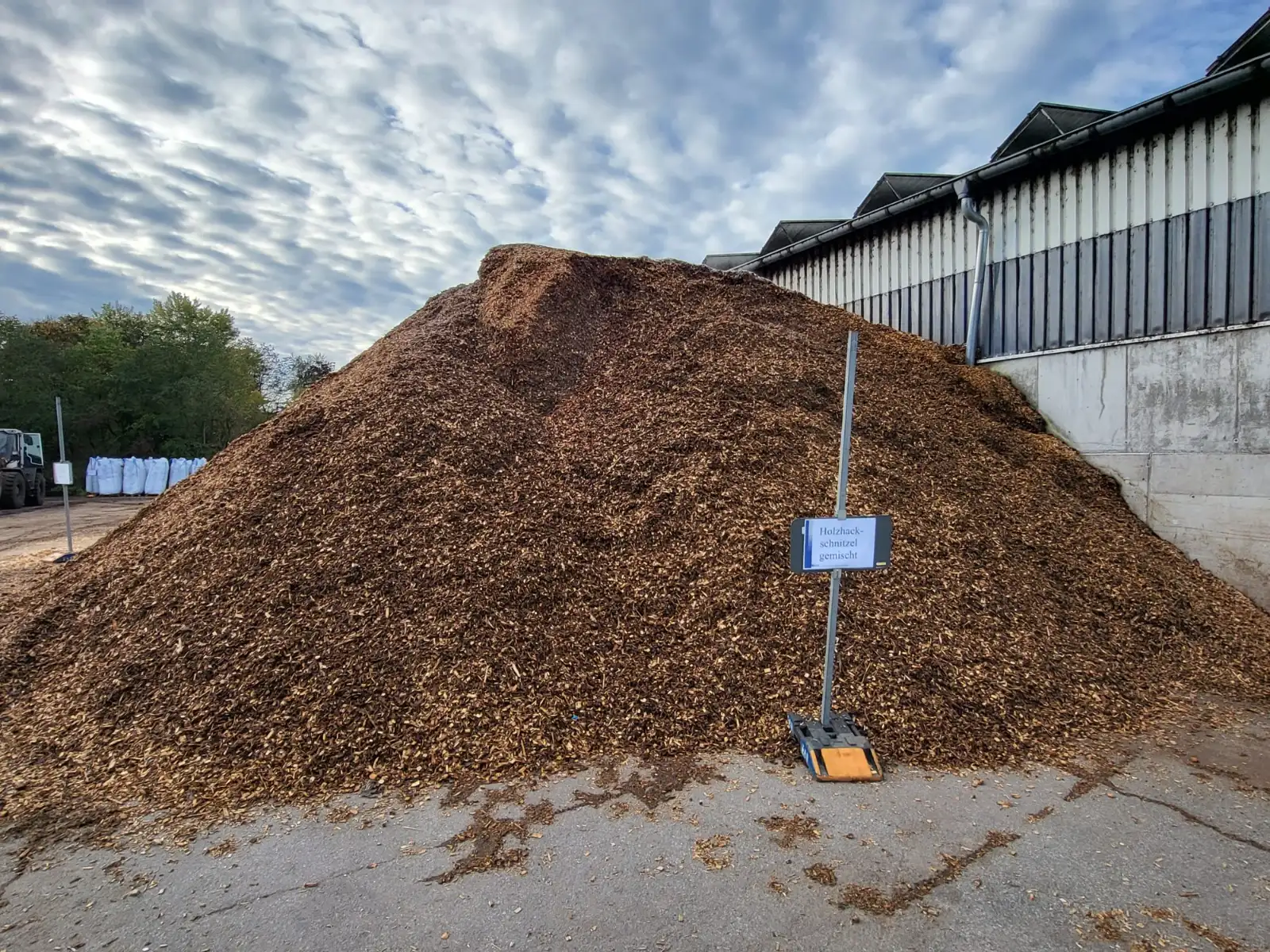
Rural regions often have woody residues from forestry, landscape maintenance and business. A heat concept shows whether and how such sources can be used for a predictable supply, for example via a local heating network.
[ Knowledge ]
Municipal heat planning: from current state to target picture
- Inventory analysis: current heat demand, buildings, heating systems and existing networks
- Potential analysis: renewable sources and unavoidable waste heat in the municipal area
- Target scenario: what the supply should look like in future
- Implementation strategy: specific measures and areas for heating networks or individual supply
Since 2024, the German Heat Planning Act (Wärmeplanungsgesetz, WPG) has required heat plans to be drawn up for municipalities in Germany. Larger cities had to start earlier, smaller municipalities later, and a simplified procedure is possible for small municipalities.
The procedure is set out in the act: a suitability check is followed by an inventory analysis and a potential analysis. These lead to a target scenario, on the basis of which the municipal area is divided into expected heat supply areas, such as areas for a heating network or for decentralised supply. Finally, an implementation strategy describes the measures.
A heat plan is first and foremost a strategic planning instrument. For rural municipalities, the potential analysis often holds an opportunity: regional biomass, residues from business and waste heat from companies can become the basis of a local heating network.

[ Application ]
Heating networks and municipalities
Heat, power and biochar from regional residues: this is how municipalities and utilities can set up a predictable heat supply.
[ References ]
Latest projects
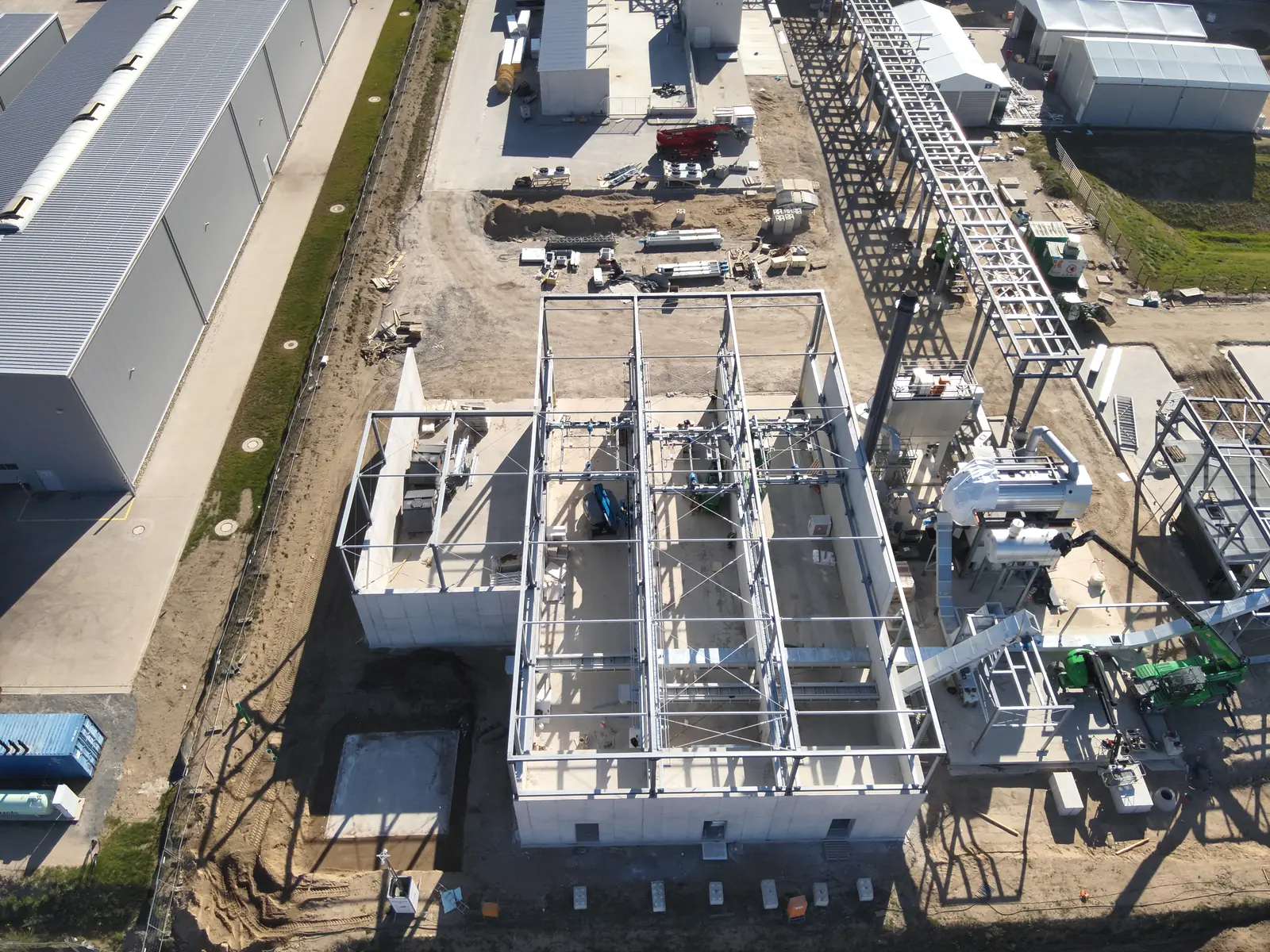
Biochar production at an industrial site in Mecklenburg-Western Pomerania
Three Pyro-ClinX 150 plants produce power, heat and biochar from industrial wood residues at an industrial site in Mecklenburg-Western Pomerania.

PyroPark Forst
PyroPark Forst is being developed in Lusatia as an integrated energy site that converts woody residues into electricity, usable heat, biochar and certified carbon removal.

ClinX Heat Power Generation from a Carbonization Plant in Darmstadt
ClinX Heat uses high-temperature energy from an existing carbonization plant to generate additional electricity on site.
 info@pyro-power.com
 +49 355 866 870 82
 pyropower GmbH