
Heat for municipalities and heating networks
Base load from regional residues

[ Starting point ]
Many municipalities are redesigning their heat supply, for example as part of municipal heat planning. At the same time, tree cuttings, landscape maintenance wood and forest residues accumulate in the region. They become base-load heat for heating networks, predictable all year round.
[ Technology ]
Suitable technology for heating networks
For heating networks, predictable base load is what counts, and at some sites power as well.
[ Base-load heat ]
What for
Hot water at 90/70 °C as base load for the heating network, around the clock.
Why
Up to 990 kW of heat from tree cuttings, landscape maintenance wood and forest residues from the region.
[ Heat and power ]
What for
Heat for the network and power for pumps, buildings or grid feed-in.
Why
One plant supplies both, plus biochar that can be used regionally or sold.
Storage tanks and existing boilers cover peaks and fluctuations.
[ Regional residues ]
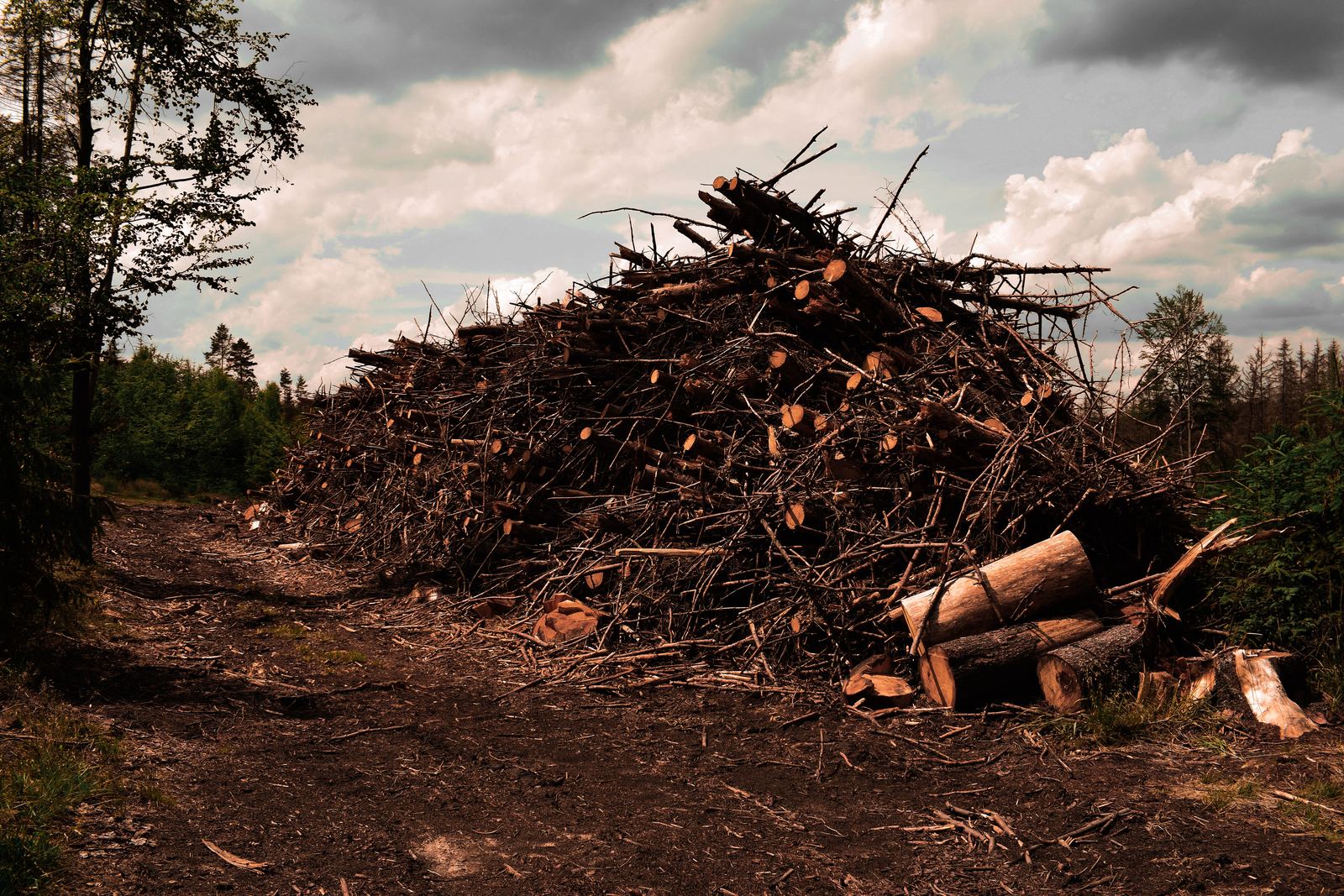
Tree cuttings and wood from the region
What accumulates in landscape maintenance, roadside greenery and forestry becomes heat:
› Tree and shrub cuttings
› Landscape maintenance wood and forest residues
› Other residues after laboratory testing
[ Heating network ]
Base load for the heating network
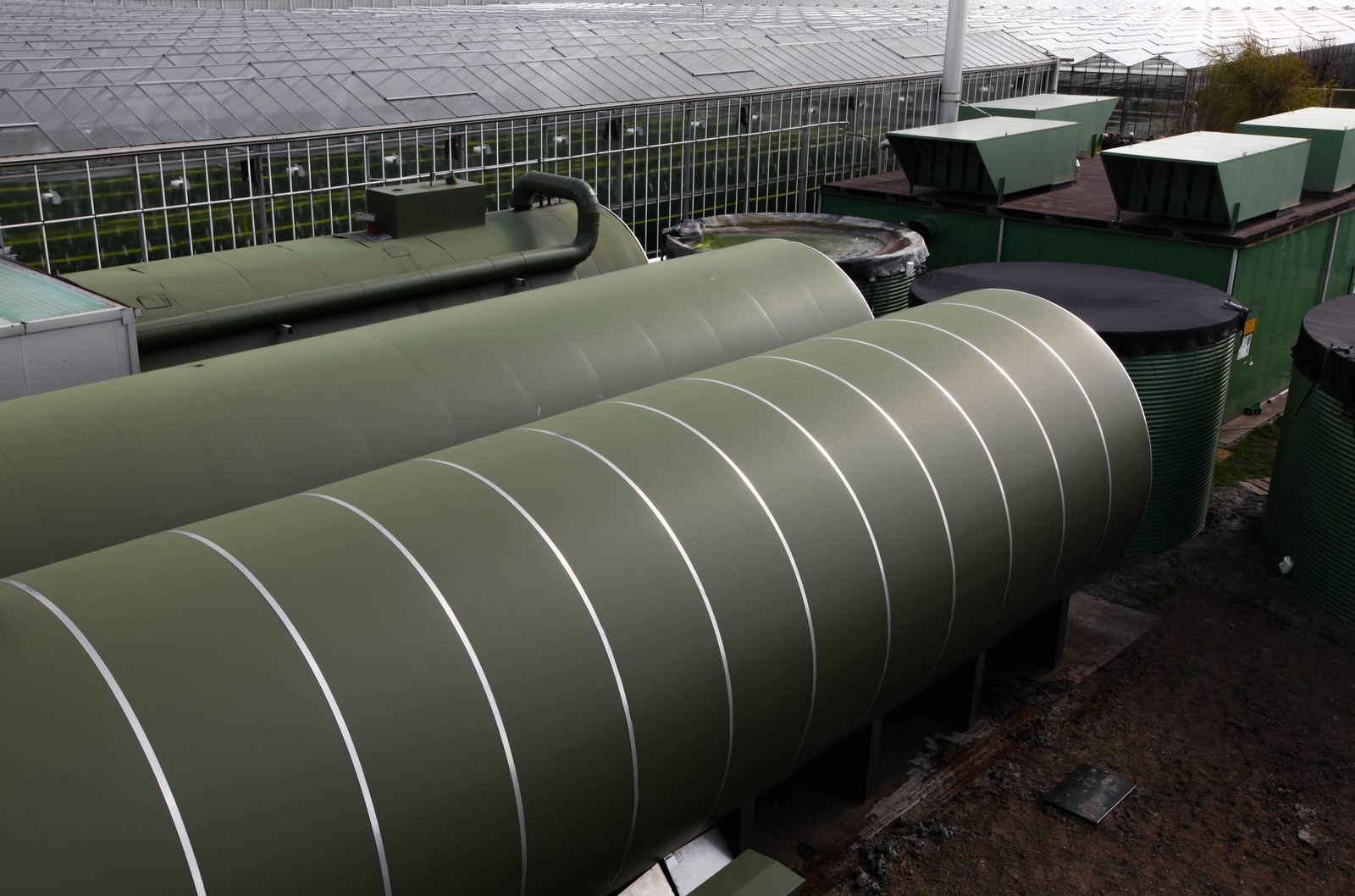
Pyro-Hex 315 supplies up to 990 kW of heat as hot water at 90/70 °C, around the clock. Storage tanks and existing boilers cover peaks and fluctuations.
› Designed for continuous operation
› Fully automatic with remote monitoring
› With Pyro-ClinX 150 when power is needed as well
More on this in the article Decentralized energy supply.
[ Projects ]
Projects for municipalities and associations
[ FAQ ]
Frequently asked questions about heating networks and municipalities
01 How can a municipality use residues for its heat supply?
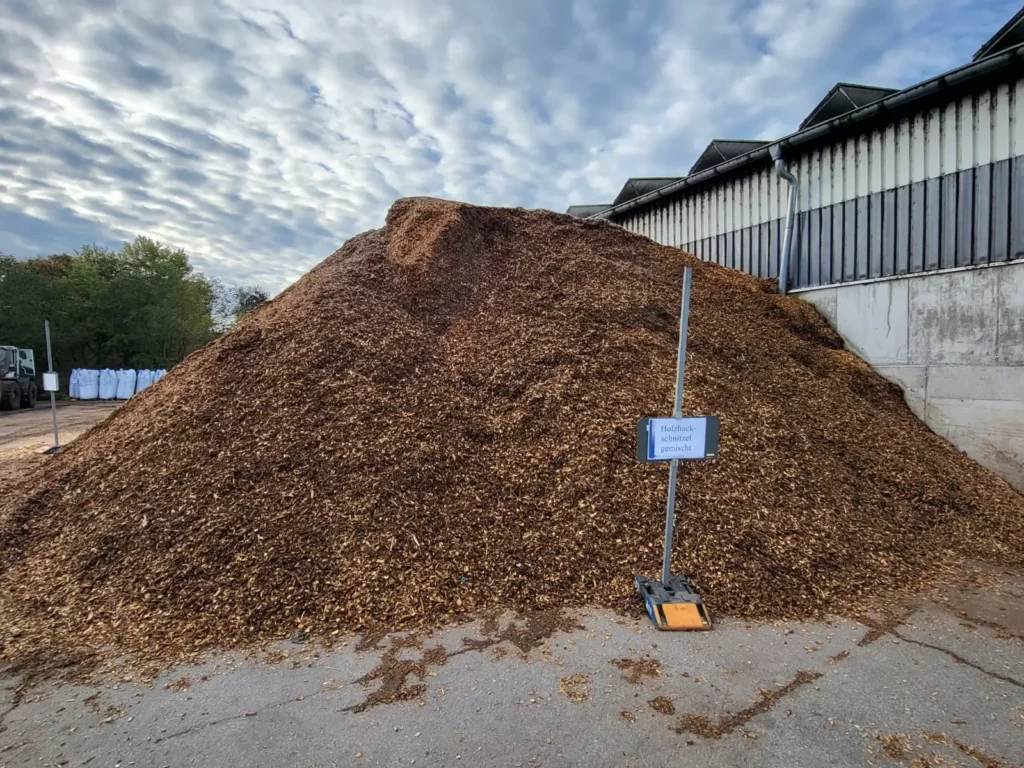
Woody residues from landscape maintenance, tree cuttings and forestry are processed into wood chips. Pyro-Hex 315 turns them into up to 990 kW of heat for a heating network and produces biochar in the process.
02 Can green waste be used?
Woody green waste such as tree and shrub cuttings can be processed into wood chips and used. We test other fractions in advance in the laboratory or with a trial pyrolysis.
03 Does a pyrolysis plant fit into municipal heat planning?
A pyrolysis plant supplies predictable base-load heat from regional residues and can be one building block of heat planning. Whether it suits an area, we assess in the pre-project phase with heat demand, network and fuel availability.
04 What temperatures does the plant supply for the heating network?
Hot water at 90/70 °C. Pyro-Hex 315 supplies up to 990 kW, Pyro-ClinX 150 up to 450 kW of heat plus power.
05 Who operates the plant?
The plant runs fully automatically with remote monitoring. We train staff on site or take over operation.
06 What happens to the biochar?
The biochar can be used regionally, for example in agriculture, or sold. On request, we handle the sale of biochar and CO₂ certificates.
07 Is funding available?
We check which funding programmes apply in the pre-project phase and, on request, support the applications.
08 How does a project work?
In a free initial consultation, we clarify your requirements, fuel and site. In the pre-project phase, we assess technology and economic viability with your figures. This is followed by planning, construction and commissioning.
 info@pyro-power.com
  +49 355 866 870 82
  pyropower GmbH