
Pyrolysis for sewage sludge: recovery at the operator's own site
Project planning and funding applications for a water and wastewater association
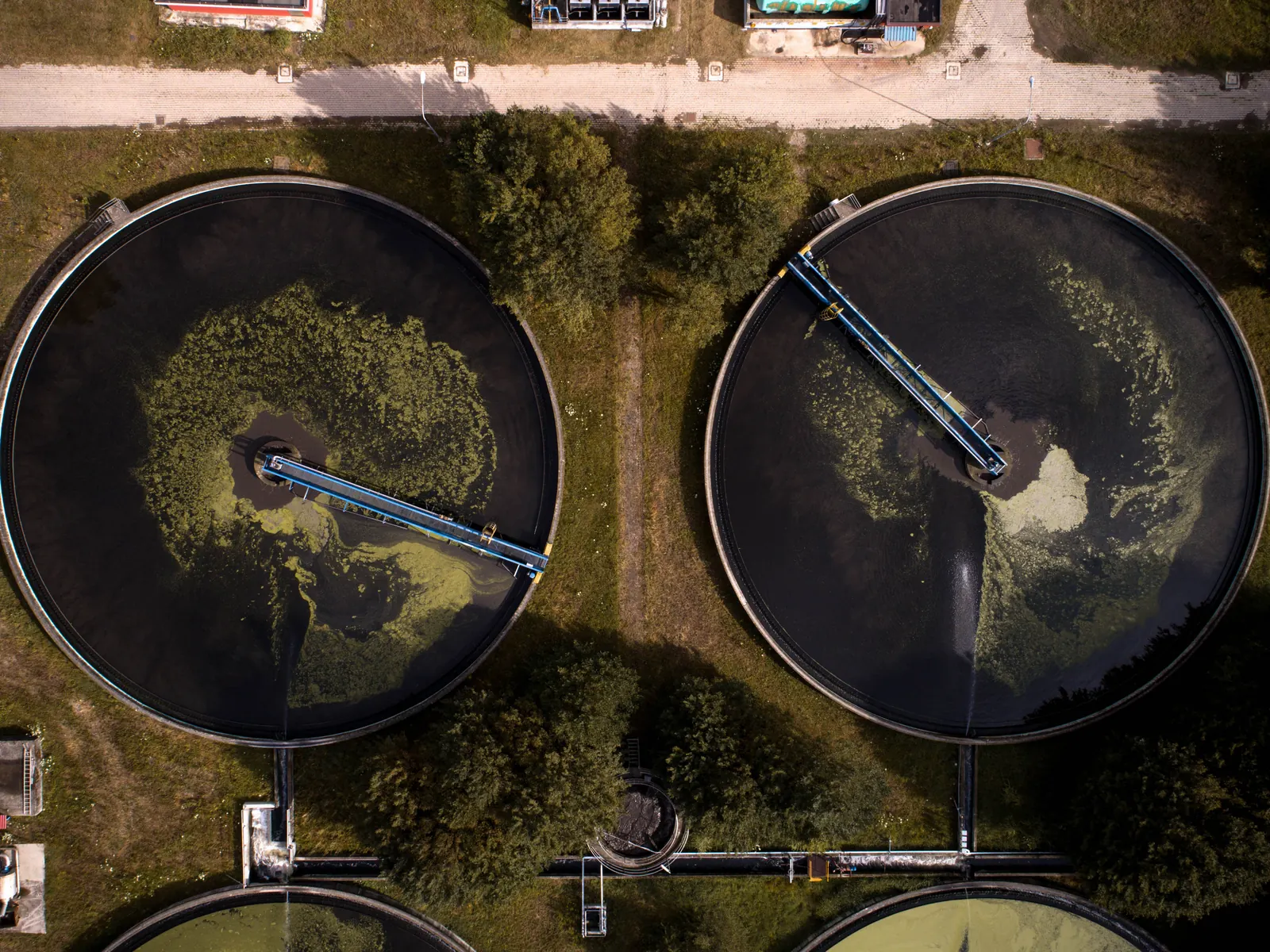
Project at a glance
| Project type: | Engineering |
|---|---|
| Client: | Water and wastewater association |
| Location: | Brandenburg |
| Our scope: | Project planning of a sewage sludge pyrolysis plant and funding advice |
| Objective: | Recovery at the operator’s own site instead of long transport routes |
| Implemented by: | ClinX Energy Systems GmbH, pyropower group |
Recovering sewage sludge on site
Starting point
Municipal wastewater treatment plants face a major task: the German Sewage Sludge Ordinance severely restricts spreading on fields and will require phosphorus recovery in future. A water and wastewater association in Brandenburg was therefore looking for a recovery route that it controls itself.
Implementation
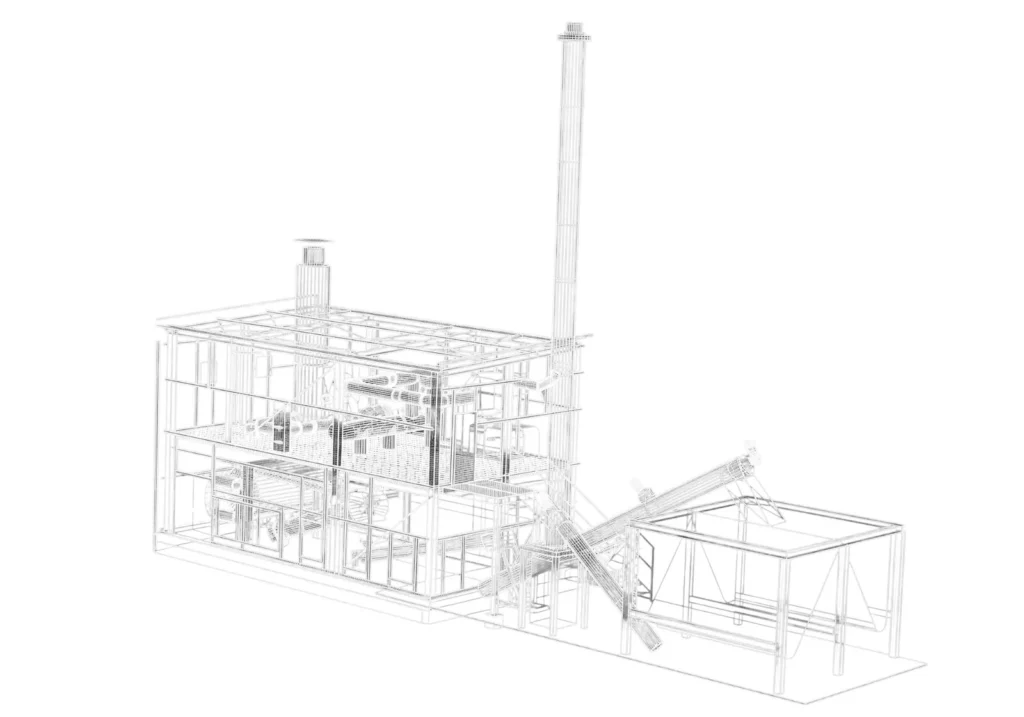
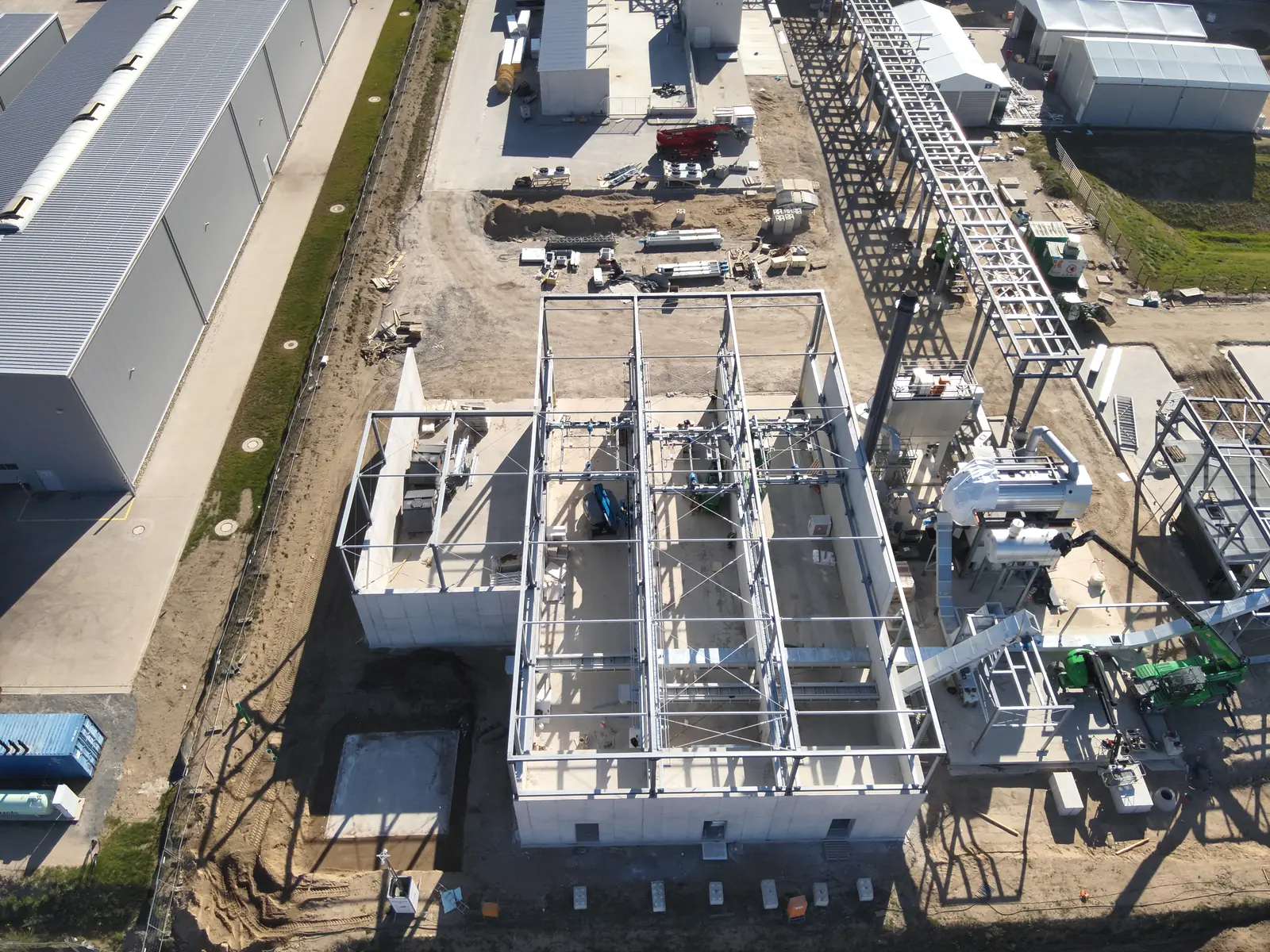
ClinX Energy Systems planned a pyrolysis plant for sewage sludge for the association, adapted to the sludge and the conditions on site. The dried sludge is heated in the absence of oxygen: organic components turn into gas that can be used for energy, leaving a much smaller carbonisate in which the phosphorus is retained.
Result
At the same time, suitable funding programmes were reviewed and the applications prepared and supported. The association thus received a technical project plan and the prepared funding applications, meaning technology and financing of the project from a single source.
Less mass, shorter routes
Because the volume decreases considerably during pyrolysis, much less material has to be transported away than with wet or dried sludge. The energy from the gas can in turn support the drying of the sludge.
[ Knowledge ]
Phosphorus from sewage sludge: obligations and routes under the AbfKlärV
- From 2029: treatment plants above 100,000 population equivalents
- From 2032: treatment plants above 50,000 population equivalents
- Threshold: recovery obligation from 20 g of phosphorus per kg of dry matter
- Routes: recovery from the sludge, from the ash or from the carbonaceous residue of a thermal pre-treatment
Phosphorus is an essential plant nutrient, and global deposits are limited and concentrated in a few countries. Sewage sludge contains a considerable share of the phosphorus we take in with our food. The amended German Sewage Sludge Ordinance (AbfKlärV) therefore requires larger treatment plants to recover it: from 2029 for plants above 100,000 population equivalents, and from 2032 for plants above 50,000 population equivalents. At the same time, spreading on fields ends for these plants.
The ordinance allows several routes. Phosphorus can be recovered directly from the sludge, from the ash of mono-incineration or from the carbonaceous residue of a thermal pre-treatment such as pyrolysis. A minimum recovery rate of 80 percent applies to recovery from ash and residue.
During pyrolysis, organic micropollutants such as pharmaceutical residues and microplastics are largely decomposed at temperatures of several hundred degrees. The phosphorus remains in the carbonisate, as do most of the heavy metals. How available the phosphorus in the carbonisate is to plants and what preparation is needed is the subject of current research.
 From the blogThe fourth treatment stage: biochar against micropollutantsRead more ›
[ Technology ]
Engineering and concepts
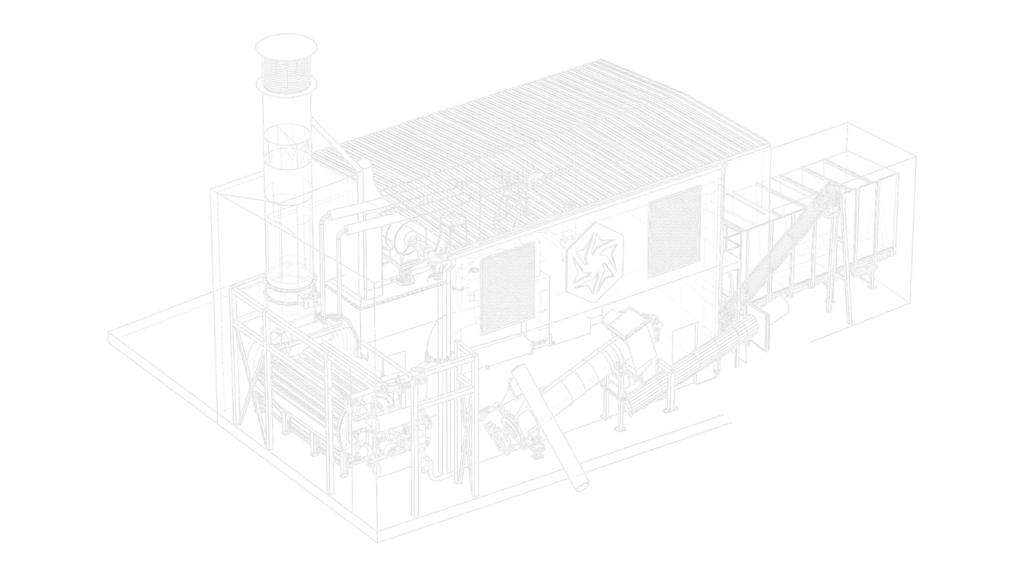
From the pre-project phase through concept and economic viability to detailed engineering: we design energy plants for residues, process heat and heating networks.
[ References ]
Latest projects
Biochar production at an industrial site in Mecklenburg-Western Pomerania
Three Pyro-ClinX 150 plants produce power, heat and biochar from industrial wood residues at an industrial site in Mecklenburg-Western Pomerania.

PyroPark Forst
PyroPark Forst is being developed in Lusatia as an integrated energy site that converts woody residues into electricity, usable heat, biochar and certified carbon removal.

ClinX Heat Power Generation from a Carbonization Plant in Darmstadt
ClinX Heat uses high-temperature energy from an existing carbonization plant to generate additional electricity on site.
 info@pyro-power.com
 +49 355 866 870 82
 pyropower GmbH