
Using residual wood for energy
Power, heat and biochar for the wood-processing industry
[ Starting point ]
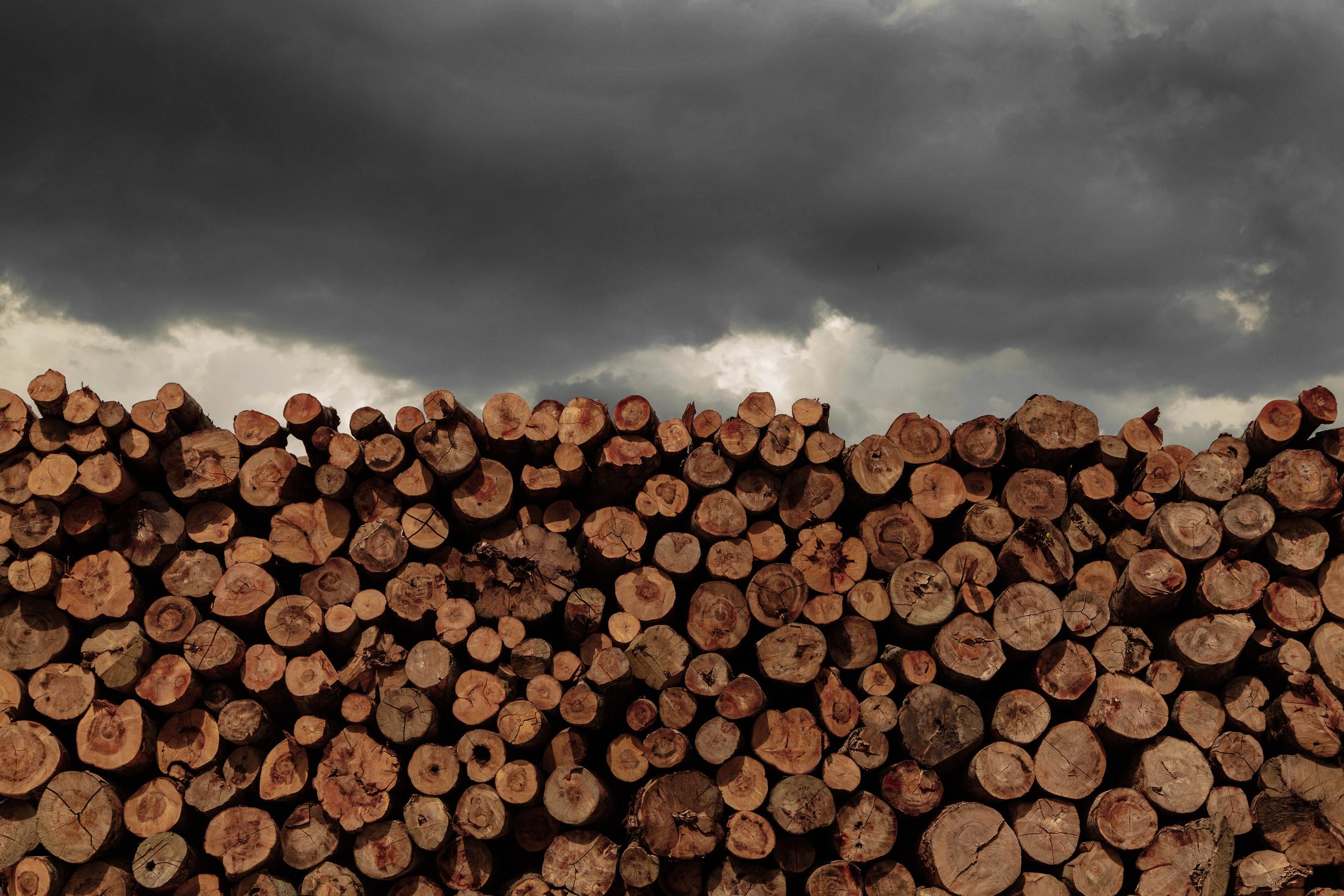
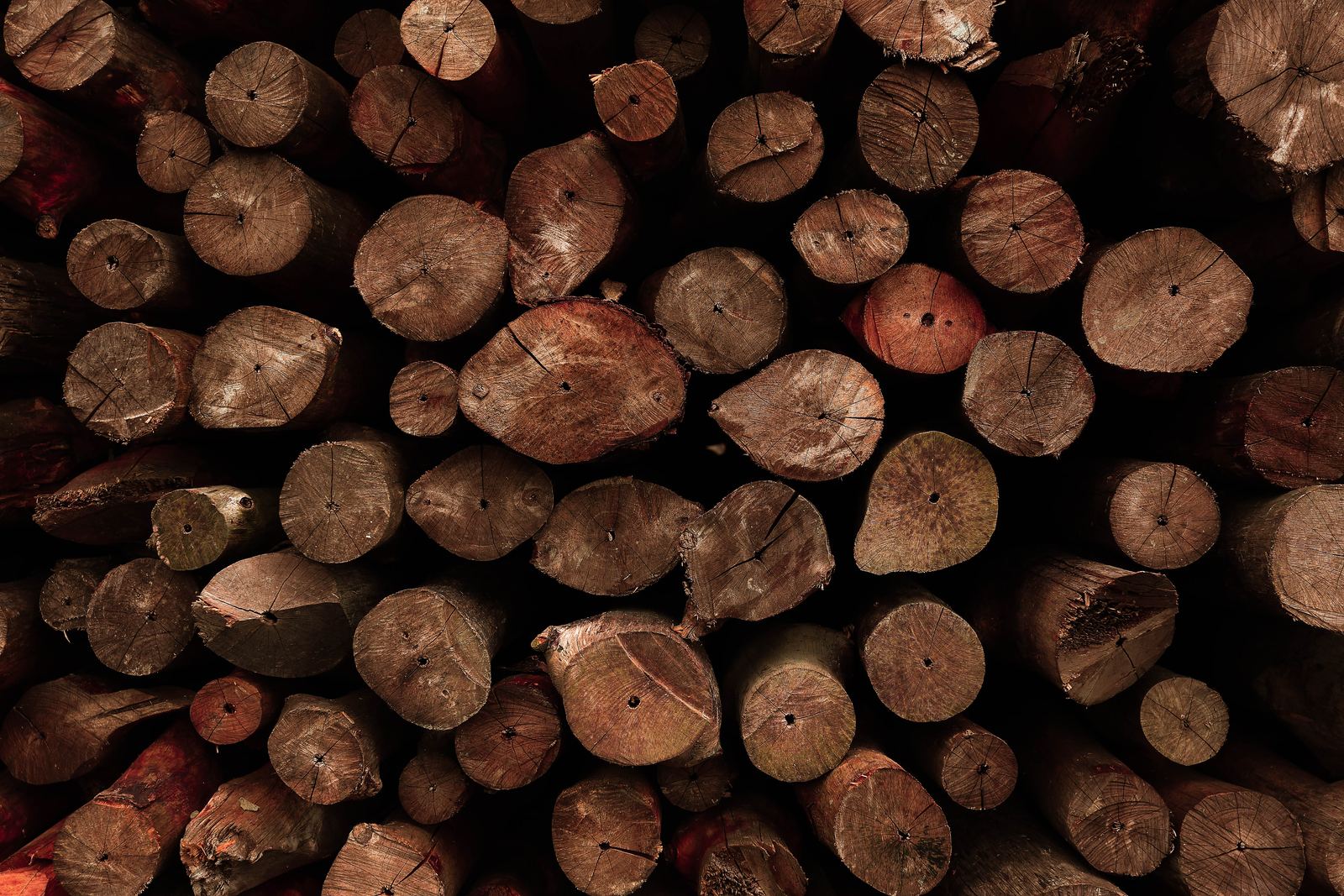
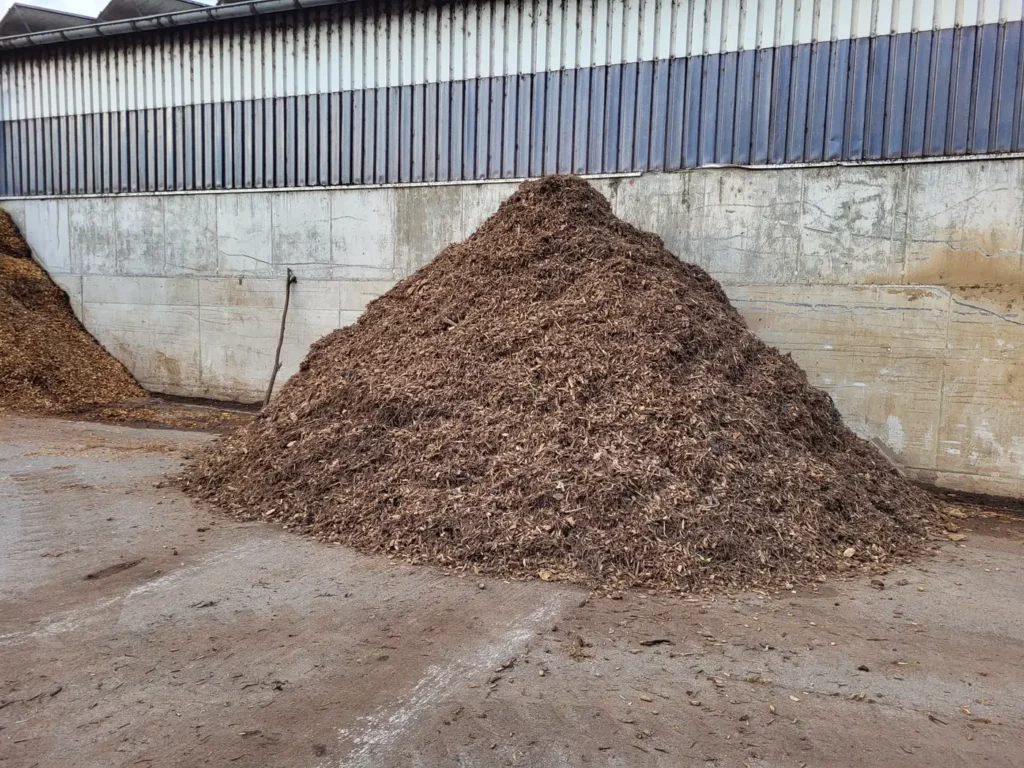
Wood processing produces residues every day: offcuts, bark, wood chips and sawmill by-products. They often leave the company, while heat for drying and halls is bought in. Our plants turn these residues into own energy and biochar.
[ Technology ]
Suitable technology for the wood industry
Whether power and heat or mainly heat is needed determines the plant.
[ Power and heat ]
What for
Power for machines and extraction, heat for drying kilns and halls.
Why
Your own residual wood becomes energy and biochar instead of leaving the company as a disposal cost.
[ Mainly heat ]
What for
Plenty of heat for large drying kilns and on-site heating networks.
Why
Up to 990 kW of heat from residual wood, without power generation, plus around 75 kg of biochar per hour.
If your own residual wood is not enough, we add wood chips from the region.
Also suitable, after testing:









[ Heat on site ]
Heat for drying kilns and halls
Wood-processing companies often need heat around the clock, for drying kilns, halls and on-site heating networks.
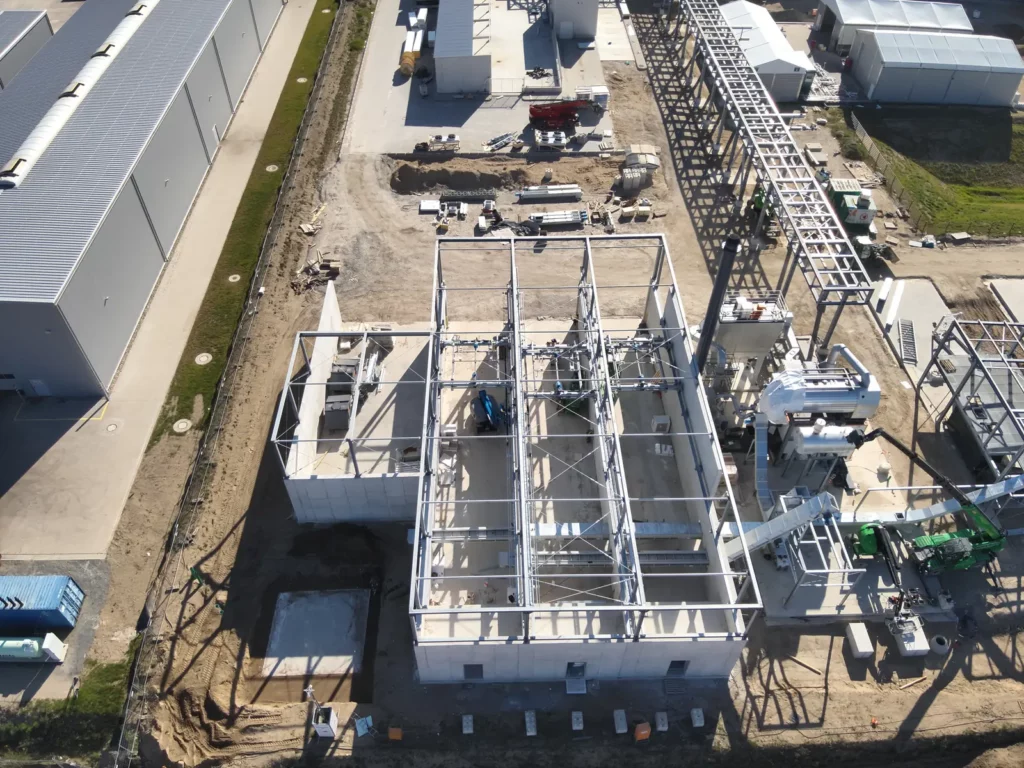
› Pyro-ClinX 150: up to 450 kW of heat and 130 kW of power net
› Pyro-Hex 315: up to 990 kW of heat
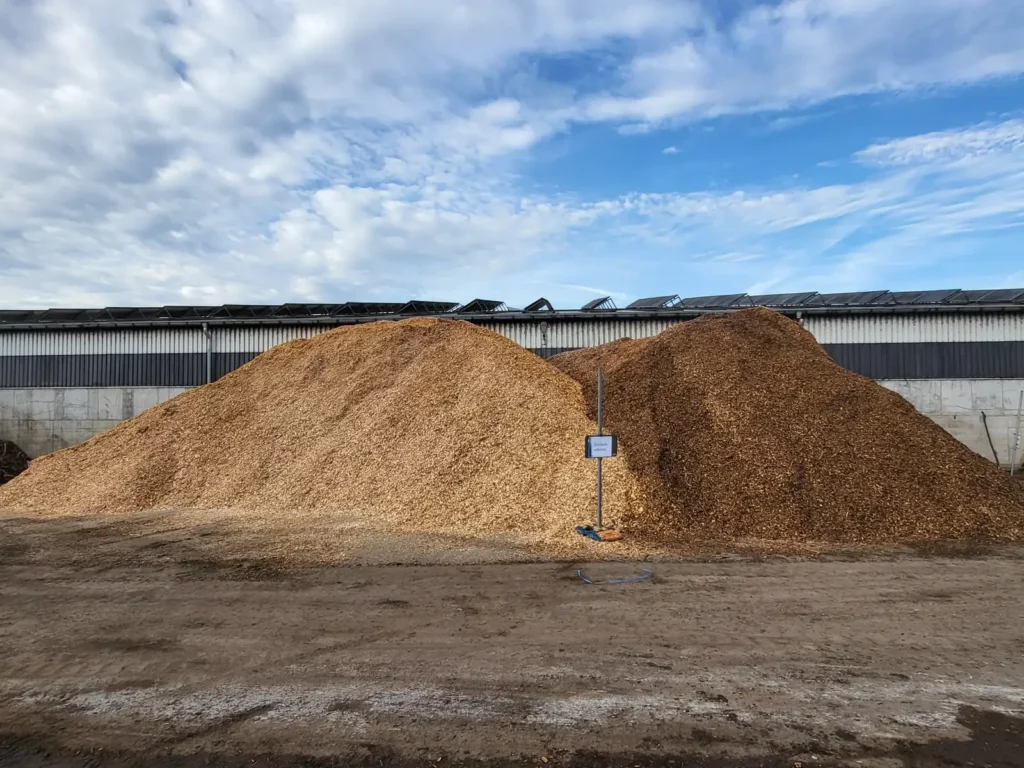
› Moist wood chips are dried with the heat of the plant
[ Residue utilization ]
Which route suits the residue
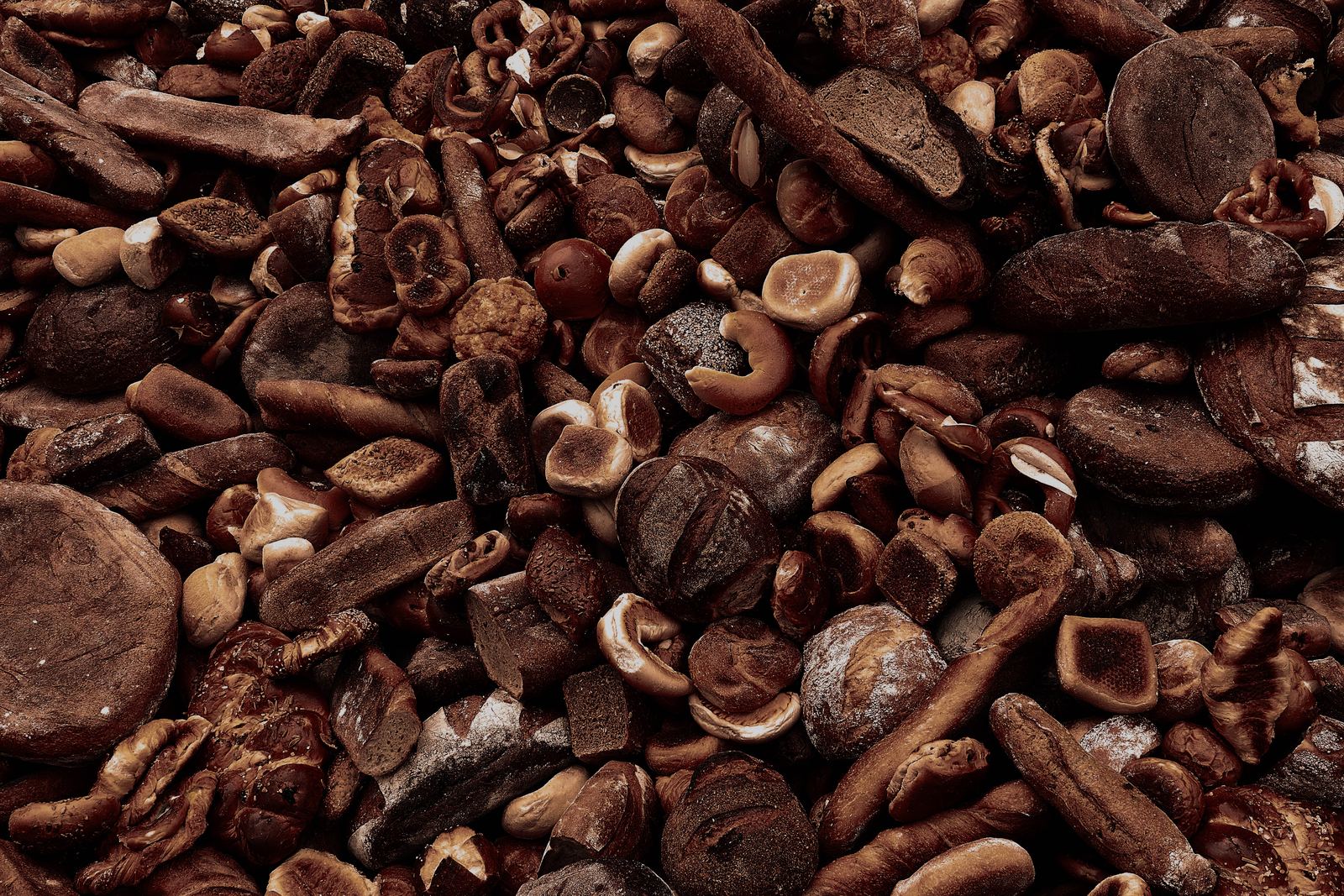
For some residues, there are better routes than pyrolysis. Our residue utilization assessment compares material, energy and biological routes and shows which one fits technically and economically.
More on this in the article Choosing a pyrolysis plant.
[ FAQ ]
Frequently asked questions about using residual wood
01 Which wood residues are suitable?
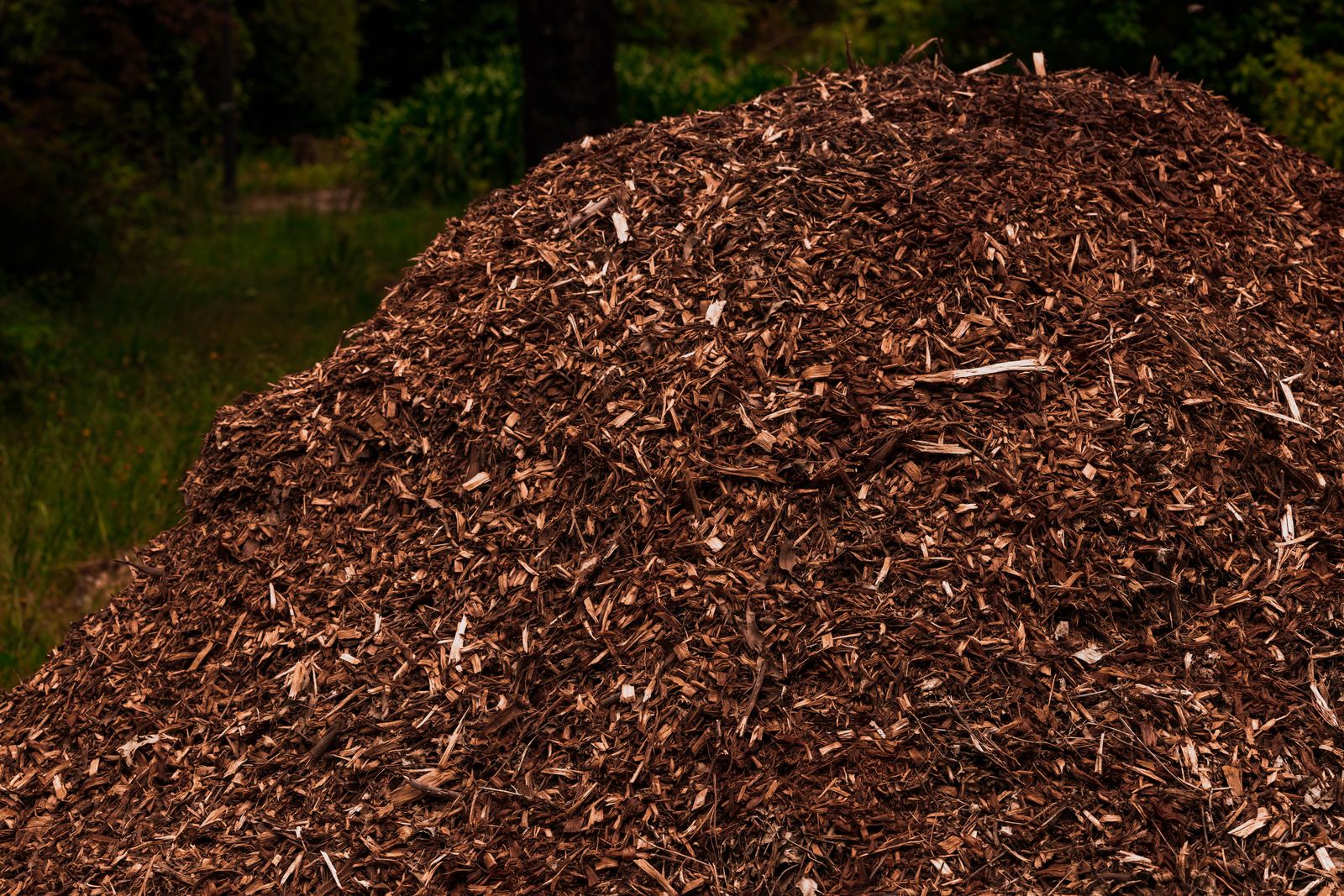
Untreated woody residues are suitable: wood chips G30 to G45, offcuts, bark and sawmill by-products. We test other residues in advance in the laboratory or with a trial pyrolysis.
02 What moisture content may the residual wood have?
The plants are designed for 10 % moisture content, up to 25 % is possible. Moist material is dried with the heat of the plant.
03 How much residual wood does a plant need?
Pyro-ClinX 150 and Pyro-Hex 315 each use around 315 kg of wood chips per hour, based on 10 % moisture content. For the Pyro-ClinX 150, that is around 3,800 t of fresh material per year.
04 What if our own residual wood is not enough?
Then we add wood chips from the region. Your own residues reduce costs, but they are not a prerequisite.
05 What does the biochar bring?
Around 20 to 25 % of the wood used remains as biochar, around 75 kg per hour. You can use it yourself or sell it, and the carbon sink can be certified as a C-Sink.
06 Power and heat, or heat only?
Pyro-ClinX 150 generates power and heat, and you use the power yourself or feed it into the grid. Pyro-Hex 315 is designed for heat up to 990 kW, for example for large drying kilns.
07 How does a project work?
In a free initial consultation, we clarify your requirements, fuel and site. In the pre-project phase, we assess technology and economic viability with your figures. This is followed by planning, construction and commissioning.
 info@pyro-power.com
  +49 355 866 870 82
  pyropower GmbH