
Which Pyrolysis Plant Suits Your Business? Seven Criteria for Selection
01.10.2026
Which Pyrolysis Plant Suits Your Business? Seven Criteria for Selection
Pyrolysis plant is an umbrella term. Behind it are plants that mainly produce biochar, plants that mainly deliver electricity, and plants that combine both with process heat. Which of these suits a business is not decided in the brochure but by seven questions about your own site. This article goes through them one by one.

Sebastian Kießling
Managing Director Technology, pyropower GmbH

Key facts
- Three plant types cover the market: carbonisation plants (biochar and heat), pyrolysis CHP (electricity, heat, biochar) and gasifiers with gas engines (electricity, little char).
- The feedstock determines the technology: type, quantity, moisture and availability throughout the year.
- The target product determines the economics: a company that needs electricity and heat itself calculates differently from one that wants to sell biochar.
- A technology-neutral preliminary assessment avoids the most expensive mistake: the wrong plant class.
The three plant types compared
Carbonisation plants are designed for biochar. They process large volumes of biomass, generate process heat as a by-product and deliver electricity only if an ORC unit is added. They suit operators whose business is the char: composting plants, waste management companies, biochar traders.
Gasifiers with gas engines aim for electricity. They convert a large part of the biomass into gas, which is burned in an engine. Electrical efficiency is high, char yield low. They need dry, uniform fuel and gas cleaning because the engine comes into contact with the gas.
Pyrolysis CHP combines both. Part of the biomass remains as biochar, the pyrolysis gas delivers electricity and heat. In the Pyro-ClinX system, the gas is burned in a FLOX burner and drives an externally fired micro gas turbine via a heat exchanger. The turbine never comes into contact with the pyrolysis gas because it is externally fired. Pyrolysis CHP suits companies that need electricity and process heat themselves and take the biochar as an additional product.
Seven questions that decide the selection
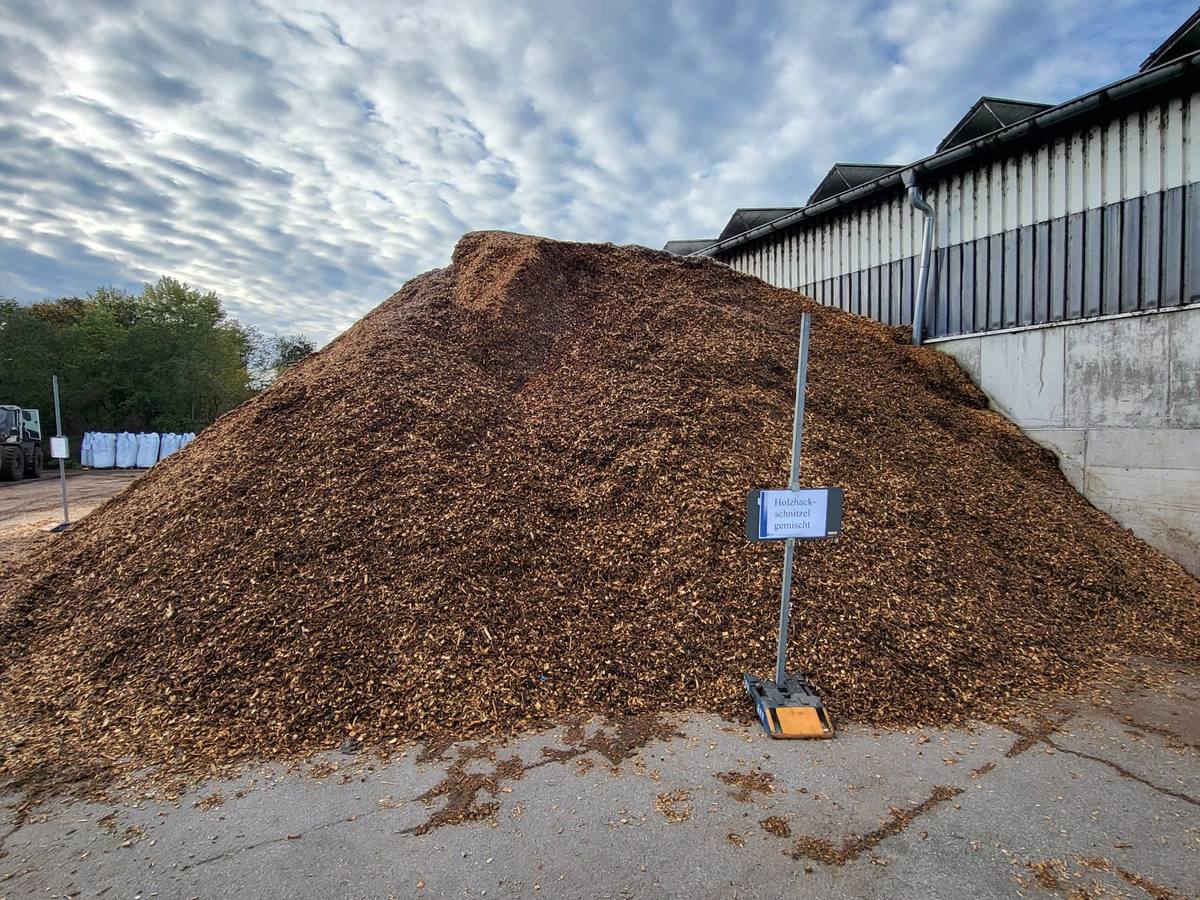
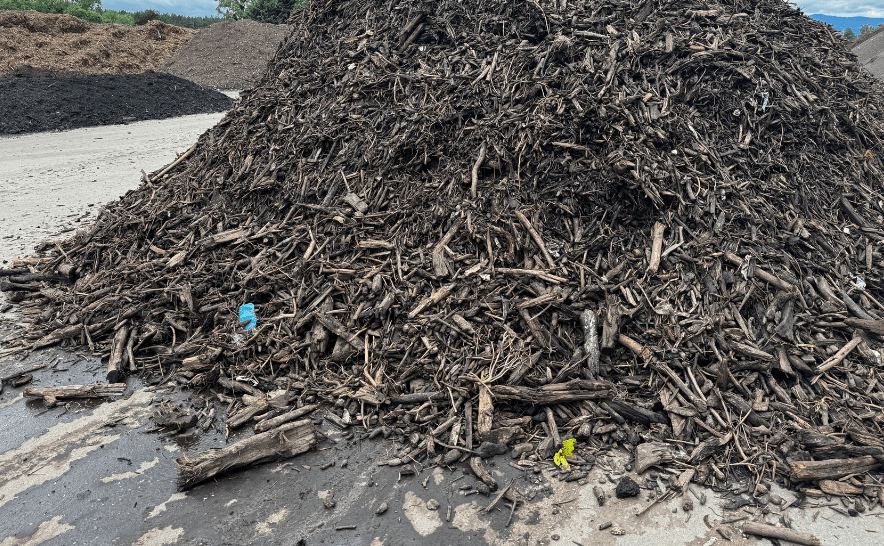
- Which residue is available? Wood, green cuttings, digestate, shells or mixtures behave differently in pyrolysis. Moisture and particle size determine pre-treatment and technology.
- How much of it, and how evenly over the year? A plant running 8,000 operating hours needs a steady fuel stream, not a seasonal stockpile.
- What is the main product? Electricity, heat, biochar or the combination. This answer already pre-sorts the plant types.
- What heat is needed? Heating circuit at 90 °C or process heat at 300 °C and above. The Pyro-ClinX system delivers up to 360 °C, or up to 550 °C in a special configuration.
- Which capacity class matches the base load? A plant that frequently runs at partial load loses economic viability. Better a smaller plant at full load than a large one standing still.
- What quality should the biochar have? The achievable EBC class depends on the feedstock. Anyone wanting to market the char needs a residue that matches the target class.
- Who operates the plant? Own operation, contracting or an operator model with offtake of biochar and CO₂ certificates by the manufacturer. This determines which tasks remain with the company.
Economics: do not compare euros per kilowatt
The price per kilowatt of installed capacity says little about pyrolysis plants because the plant types deliver different products. What is reliable is a lifetime calculation that captures all flows: fuel costs or avoided disposal costs, avoided grid electricity, avoided natural gas, revenues from biochar and CO₂ certificates, maintenance, staff and financing. Only in this calculation does it become clear whether a plant with high electrical efficiency or one with high char yield performs better for the specific site.
For companies with their own electricity and heat demand, the largest item is usually avoided energy purchases. For operators without their own demand, the sale of the char and the use of the heat are decisive.
The most expensive decision is the wrong plant class. That is why we first look at residue and demand, and only then at which technology fits. Sometimes it is not ours.
Lucie TöpferManaging Director, pyropower GmbH
Conclusion
The right pyrolysis plant follows from residue, demand and target product, in that order. Companies with their own electricity and heat demand usually end up with pyrolysis CHP, operators focused on the char with a carbonisation plant, and electricity producers without heat consumers with a gasifier. Anyone who has answered the seven questions can compare offers instead of being guided by data sheets.
If you would rather not answer the questions for your own site alone, our residue utilisation service shows how pyropower assesses residues for technology and utilisation path in a technology-neutral way.
Frequently asked questions about plant selection
Which residues are suitable for a pyrolysis plant?
Wood and woody residues, green cuttings, digestate, nuts and shells, landscape maintenance material. Moisture, particle size and uniformity are decisive. The biochar quality that results depends on the feedstock.
How large does a company need to be for a plant to pay off?
What matters is not the size of the company but the base load. A pyrolysis CHP system in the 150 kW class delivers 150 kW of electricity (gross) and up to 450 kW of heat. Companies that take this output continuously are in the right order of magnitude. Larger sites combine several units.
Do I need a permit for a pyrolysis plant?
Yes, pyrolysis plants require a permit. Which procedures apply depends on capacity, feedstock and site. Manufacturers and planners know the requirements and clarify in the pre-project phase which documents the authority expects.
What is the difference between pyrolysis and gasification?
In pyrolysis, biomass is heated in the absence of oxygen and part of it remains as char. In gasification, a small amount of air is used, almost all of the biomass becomes gas and hardly any char remains.
Can I market the biochar myself?
Yes. Biochar can be used or marketed by the operator. Some manufacturers, including pyropower with the Pyro-ClinX system, also take biochar and CO₂ certificates so that the company can concentrate on electricity and heat.
How long does a pyrolysis plant last?
Industrial plants are designed for 15 to 20 years of operation. Maintenance intervals and the question of which components come into contact with the pyrolysis gas are decisive. Externally fired systems have an advantage here because the turbine never touches the gas.
Download
Pyro-ClinX product brochure
Technical data, feedstocks, products and project process at a glance (PDF).
Download brochure (PDF)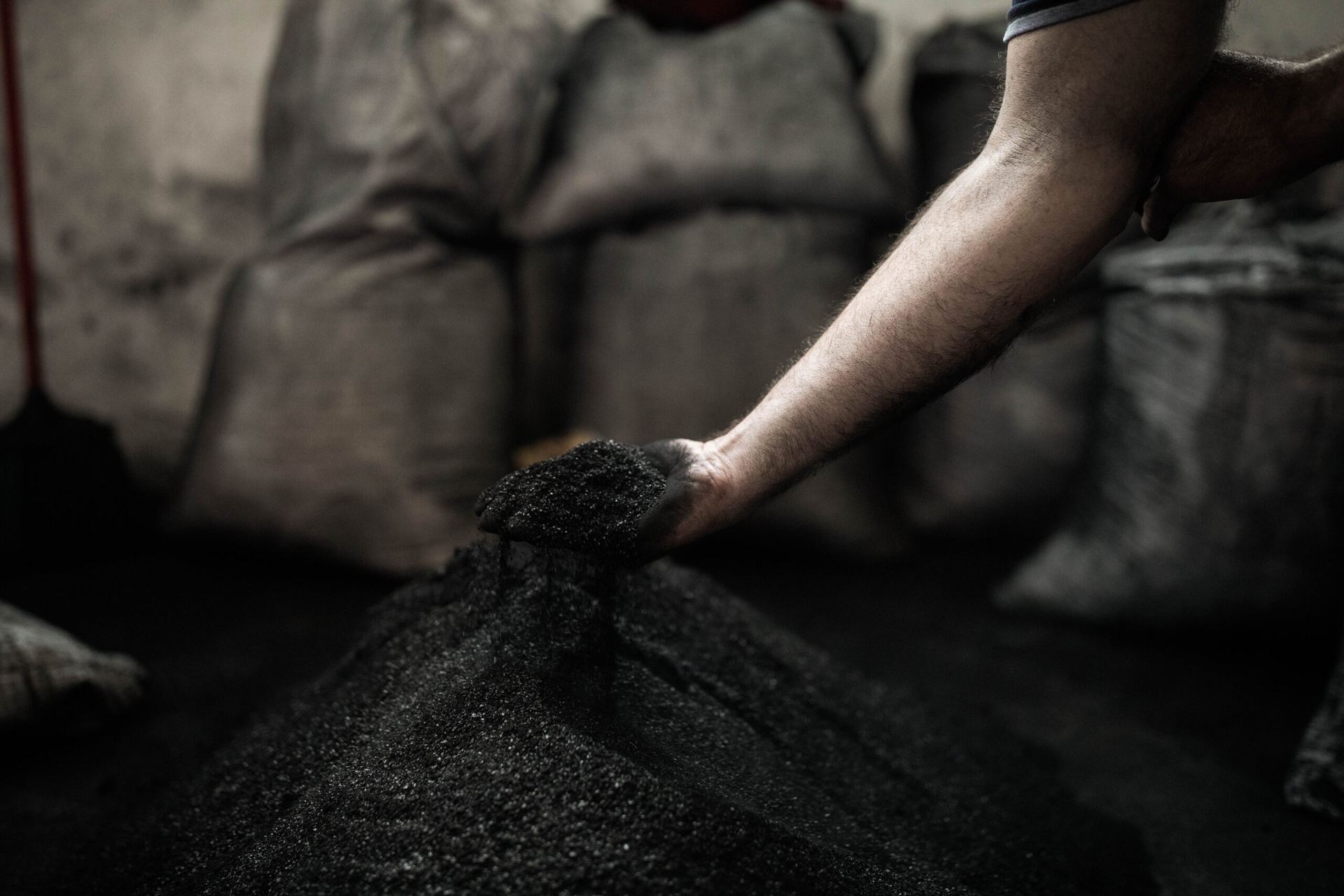
 info@pyro-power.com
  +49 355 866 870 82
  pyropower GmbH