
Process heat for industry
Power and heat from residues and waste heat

[ Starting point ]
Many industrial companies need heat and power all year round and buy both at fluctuating prices. Own generation on site makes this demand more predictable: from woody residues or from waste heat that currently goes unused.
[ Technology ]
Suitable technology for industry
Which plant fits depends on the energy demand of the company and on existing waste heat.
[ Power and heat ]
What for
Own power and process heat up to 360 °C, plus hot water for halls and cleaning.
Why
Power and heat from one plant reduce purchases of both. Power that is not needed can be fed into the grid.
[ Mainly heat ]
What for
Process heat up to 300 °C via thermal oil, or hot water for drying and cleaning.
Why
Up to 990 kW of heat replaces natural gas or heating oil in the base load, around the clock.
[ Hot waste heat ]
What for
Power from the waste heat of furnaces and high-temperature processes at 900 to 1,000 °C.
Why
The waste heat is already there: no additional fuel and no intervention in the main process.
Own residues are not a prerequisite: on request, we source the fuel from the region.
[ Process heat ]
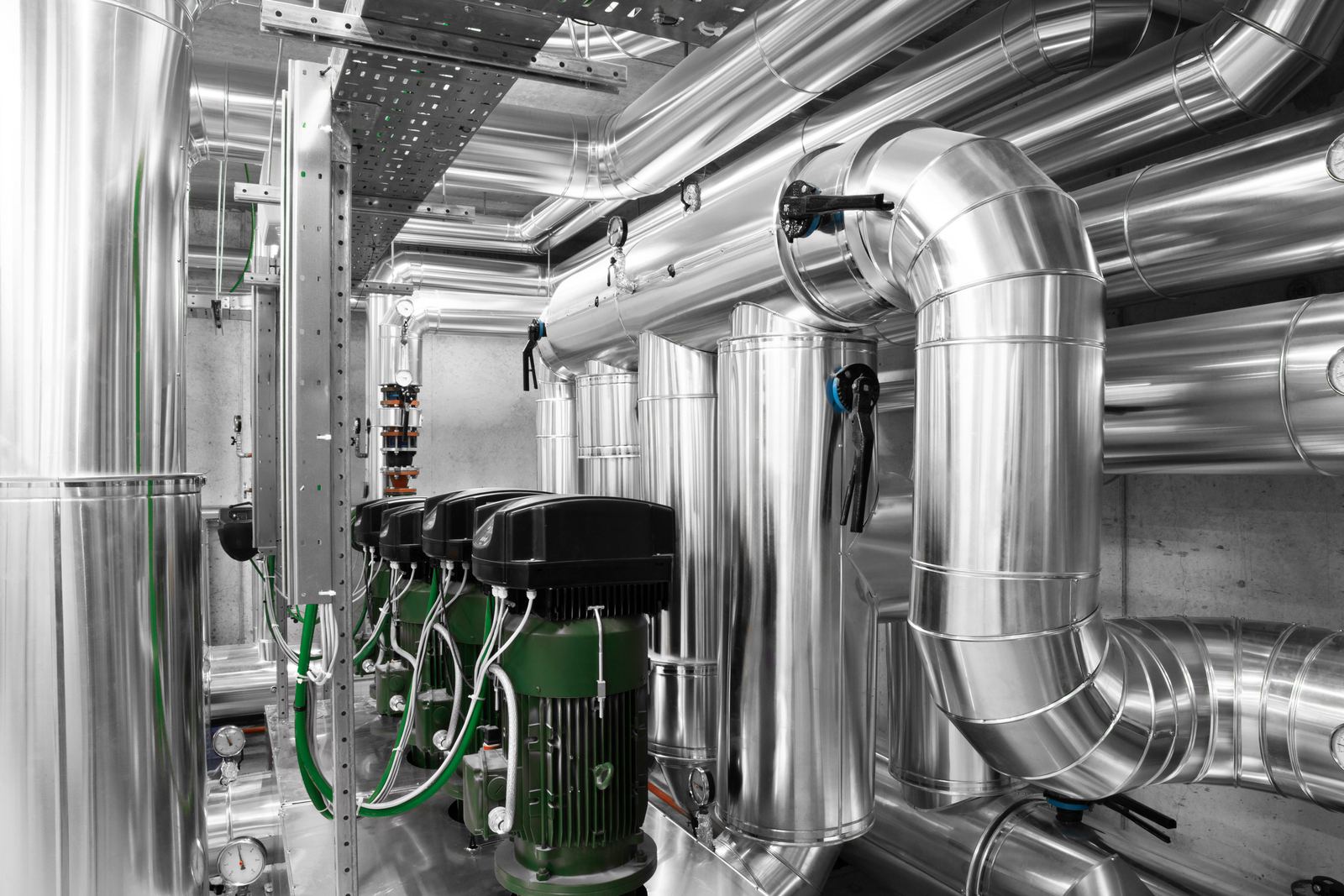
Heat at the level the process needs
The heat is extracted via water, glycol, thermal oil, hot air or steam:
› Hot water at 90/70 °C for halls, cleaning and heating networks
› Process heat up to 360 °C with Pyro-ClinX 150, up to 550 °C in a special design
› Process heat up to 300 °C with Pyro-Hex 315
› A heat storage tank decouples generation and demand
[ Sectors ]
Typical companies

Food and beverages
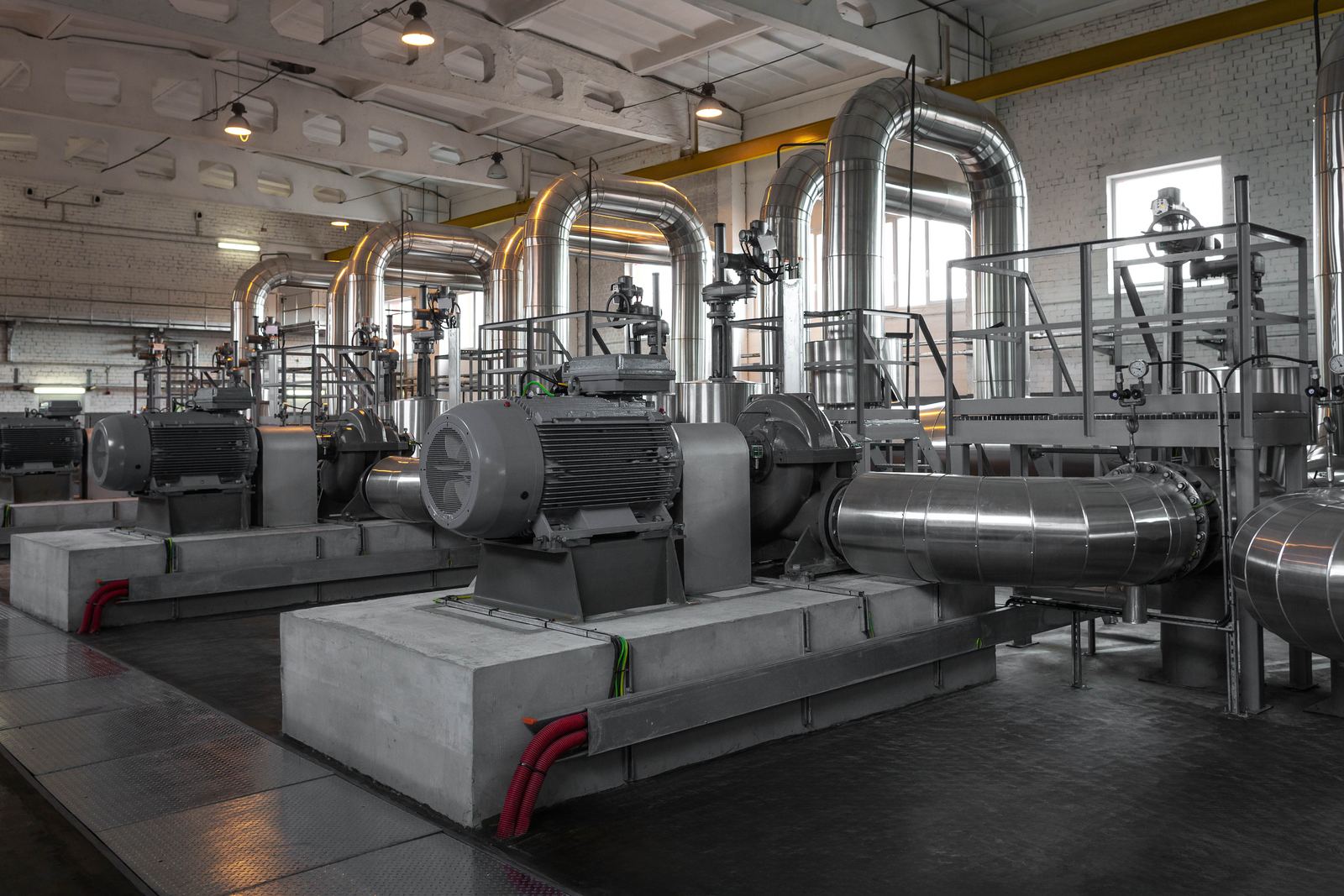
Heat for drying, cleaning and processes around the clock.

Metal and mechanical engineering
Hall heating, painting and drying, power for own use.

Paper, chemicals and plastics
Steam and process heat at a high temperature level.

Glass, ceramics and building materials
ClinX Heat turns hot waste heat from furnaces into power.
[ Energy security ]
What keeps running when power or gas fails
Own generation is one building block of security of supply. Our energy security assessment shows which processes keep running in the event of a failure and where own generation helps.
More on this in the article Energy security for production sites.
[ FAQ ]
Frequently asked questions about process heat
01 How can process heat be decarbonised?
One way is to replace natural gas and heating oil with heat from woody residues or from existing waste heat. Pyro-Hex 315 supplies up to 990 kW of heat, Pyro-ClinX 150 up to 450 kW of heat plus power. ClinX Heat turns high-temperature waste heat into power and heat.
02 What temperatures does the process heat reach?
Pyro-ClinX 150 supplies process heat up to 360 °C, up to 550 °C in a special design. Pyro-Hex 315 reaches up to 300 °C via thermal oil. Hot water at 90/70 °C is available for halls, cleaning and heating networks.
03 Can we use the power ourselves?
Yes. The power covers part of your own demand, and surpluses are fed into the grid. Your own power demand is not a prerequisite, the power can also be fed in completely.
04 Does production have to be modified for the connection?
The plant stands next to production and is connected via a heat transfer station. ClinX Heat connects to the existing hot gas stream, and the main process remains unchanged.
05 Do we need our own residues?
Your own wood residues reduce fuel costs but are not a prerequisite. On request, we source the fuel from the region.
06 How much space does a plant need?
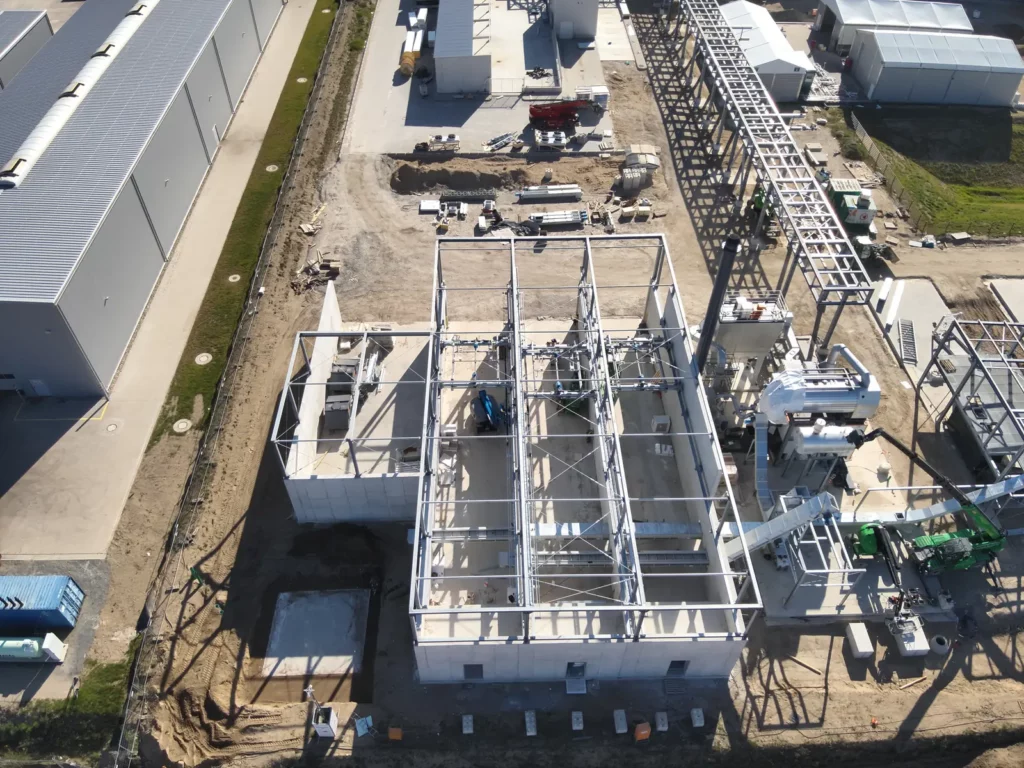
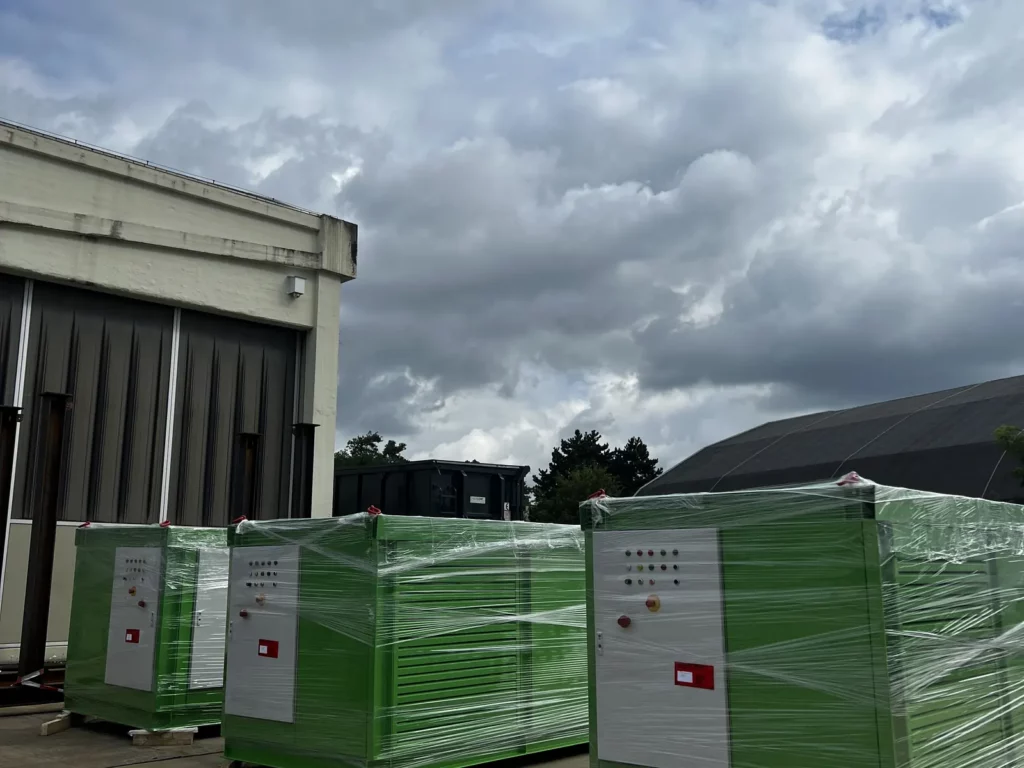
Pyro-ClinX 150 measures 13.40 × 6.40 m with a height of 5.90 m, ClinX Heat is housed in a 40-foot container. We plan fuel storage and delivery to suit the site.
07 How does a project work?
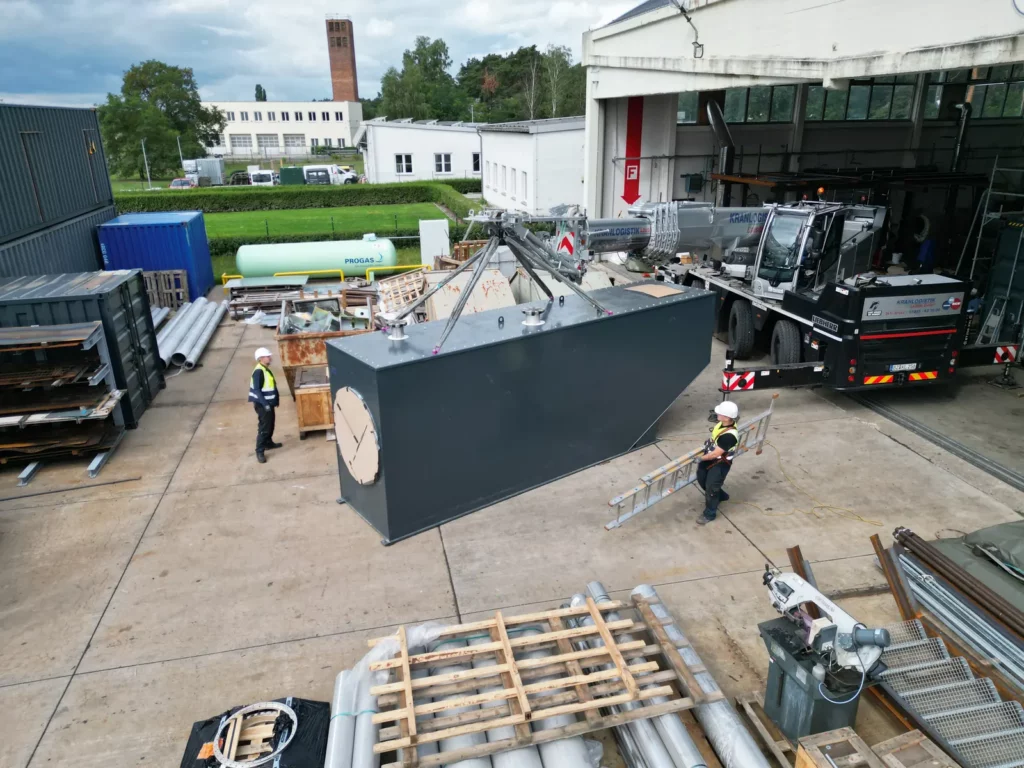
In a free initial consultation, we clarify your requirements, fuel and site. In the pre-project phase, we assess technology and economic viability with your figures. This is followed by planning, construction and commissioning.
 info@pyro-power.com
  +49 355 866 870 82
  pyropower GmbH