
Energy Security for Production Sites: Which Technologies Enable a Stable Supply
01.10.2026
Energy Security for Production Sites: Which Technologies Enable a Stable Supply
A production site needs electricity and heat every hour it operates. When the grid fluctuates, prices jump or the utility calls for load shedding, the site’s own supply structure decides whether the line keeps running. This article shows which technologies give industrial companies a stable supply today, where their limits lie, and how to find out which combination suits your site.

Sebastian Kießling
Managing Director Technology, pyropower GmbH

Key facts
- Energy security has three levels: availability, price stability and predictability. A single technology rarely covers all three.
- Backup generators secure minutes to hours, storage secures hours, and on-site generation from residues secures continuous operation.
- Sites with a base load for electricity and heat can cover a large share of their demand on site. The base load is decisive, not the peak load.
- The most sensible first step is a structured review of load profile, heat demand and available residues.
What energy security means for an industrial company
In practice, companies mean three different things when they say energy security. The first level is physical availability: does electricity flow when the plant needs it? The second is price stability: can the energy price be calculated for the coming years, or does the margin depend on the spot market? The third is predictability towards customers, banks and authorities: can the company reliably commit to delivering?
Germany’s grid statistics from the Federal Network Agency show only a few minutes of interruption per year on average. For a production site, however, what counts is not the average but the one incident that costs a shift. Add to this the price spikes that have occurred regularly since 2022 and grid bottlenecks that delay new connection capacity by years at many sites.
Technologies at a glance
- Backup generator (diesel, gas): secures availability for minutes to hours. Typical for critical consumers. No price stability, fuel logistics required.
- Battery storage: bridges minutes to a few hours and caps load peaks. Generates no energy, limited energy volume.
- Photovoltaics with storage: stabilises costs during the day. Limits in winter, during night shifts and for heat.
- Natural gas CHP: covers base load for electricity and heat in continuous operation. Carries the gas price risk.
- Biomass heating plant: supplies process heat in continuous operation, but no electricity.
- Pyrolysis CHP from residues: covers base load for electricity and process heat over 8,000 hours a year. Requires biogenic residues and a constant heat demand.
None of these technologies is the solution on its own. A robust concept usually combines base-load generation with storage for the peaks and keeps the grid connection as a reserve.
Why the base load is decisive
Many companies plan energy security from the peak load and end up with solutions that sit unused most of the year. What matters economically is the base load: the electricity and heat demand that occurs around the clock on every production day. An on-site generation plant can cover this share permanently, and exactly this share determines how much grid electricity and natural gas the company no longer has to buy. An example: a site with 500 kW electrical base load and a constant process heat demand of 400 kW can generate 150 kW of electricity (gross) and up to 450 kW of heat itself with a Pyro-ClinX 150 system. At 8,000 operating hours, that is around 1,040 MWh of electricity (net) and up to 3,600 MWh of heat per year that no longer come from the grid or from natural gas. The figures depend on the feedstock and the temperature level of the heat, but they show the order of magnitude.
Residues as an energy source: what pyrolysis CHP delivers
Industrial companies with wood, green cuttings, digestate or other biogenic residues have an energy source on their premises that has often cost money until now. A pyrolysis CHP system turns these residues into four products: electricity, heat, biochar and CO₂ certificates. In the Pyro-ClinX system, the residues are first pyrolysed. The resulting gas is burned in a FLOX burner and drives an externally fired micro gas turbine via a high-temperature heat exchanger. The turbine never comes into contact with the pyrolysis gas because it is externally fired. This is the reason for the high availability and low maintenance requirements.
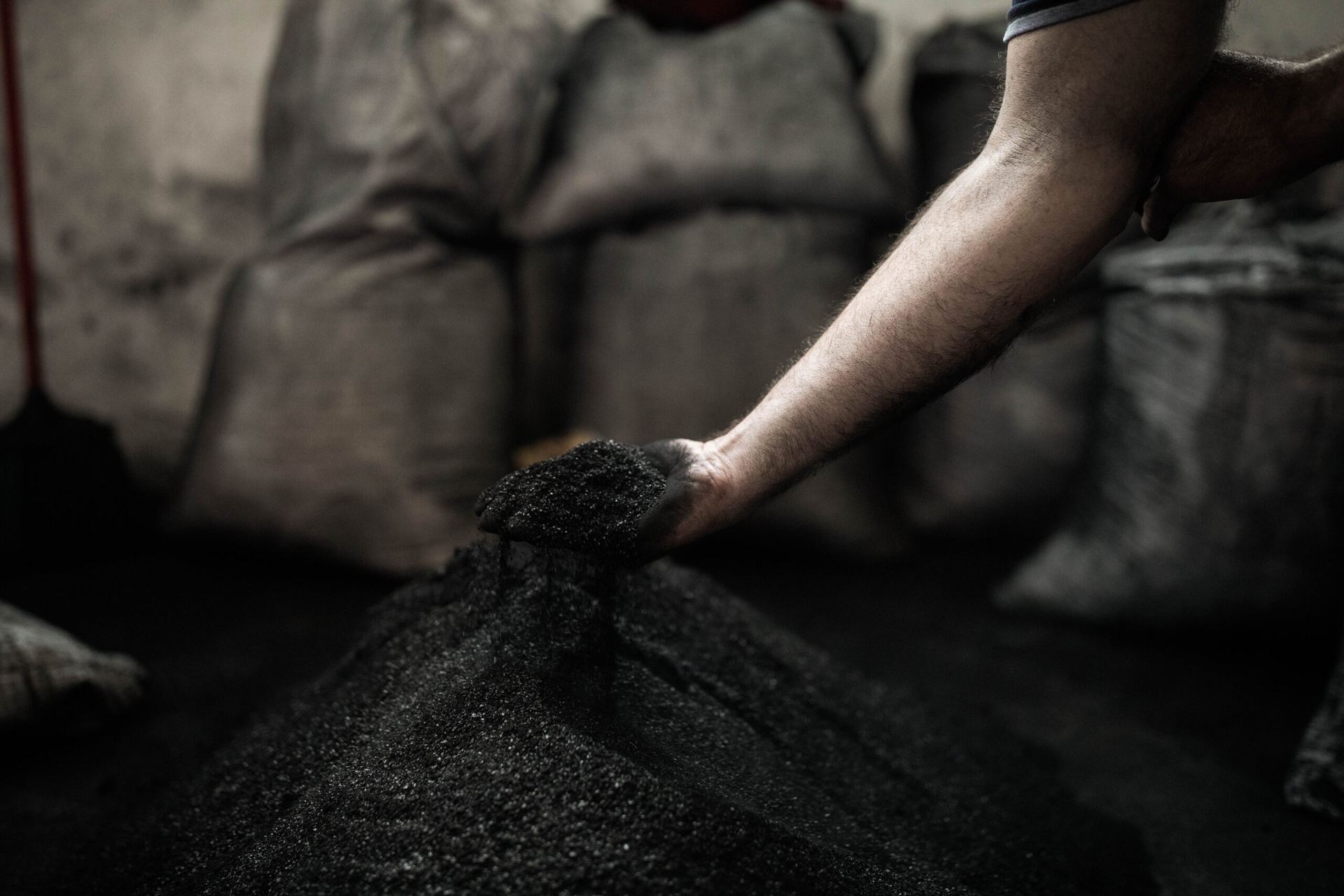
Process heat is available at up to 360 °C, or up to 550 °C in a special configuration. This means drying, steam and many industrial processes can be supplied directly, not just heating circuits. Biochar and CO₂ certificates can be handed over to the manufacturer so that the company can concentrate on electricity and heat.
Energy security does not come from the largest plant but from the right combination. That is why every project with us starts with the load profile, not with the technology.
Lucie TöpferManaging Director, pyropower GmbH
How to find the right path for your site
Whether on-site generation is economical can be assessed in advance with a few data points: electricity load profile over a year, heat demand by temperature level, current energy costs, available residues and available space. With this data, a first step can determine whether and on what scale a concept is worthwhile. Only then does the actual planning follow: technology comparison, lifetime economic calculation, permitting and schedule. It is important to keep this assessment technology-neutral. If a natural gas CHP with storage is the better solution for a site, that should be the result.
Conclusion
For production sites, energy security is a question of structure, not of technology alone. Sites with a base load for electricity and heat can cover this share economically themselves today and plan grid, storage and reserve around it. The first step is small: a load profile, a heat balance and a look at the residues that accumulate anyway.
Frequently asked questions about energy security
How much energy security can a company achieve with its own generation?
That depends on the base load. A company can usually cover the base load for electricity and a large share of process heat itself. The grid connection remains as a reserve and for peaks.
Do I need my own residues for pyrolysis CHP?
No. Your own residues improve the economics but are not a prerequisite. Wood chips and other biogenic fuels can be sourced regionally. What matters is a constant demand for electricity and heat.
How long does it take from the idea to operating your own plant?
Planning, permitting and construction typically take twelve to eighteen months depending on the site and the authority. The preliminary assessment based on load profile and heat demand is possible within a few weeks.
What temperatures are available as process heat?
With pyrolysis CHP systems such as the Pyro-ClinX, up to 360 °C, or up to 550 °C in a special configuration. This makes drying, steam generation and many thermal processes directly supplyable.
What happens to the biochar and the CO₂ certificates?
The company can market both itself or hand them over to the plant manufacturer. With the Pyro-ClinX system, pyropower takes biochar and certificates so that the company can focus on electricity and heat.
What is the difference between backup power and energy security?
Backup power bridges an outage for minutes to hours and secures critical consumers. Energy security additionally includes price stability and predictability over years. This requires on-site base-load generation, not just a generator.
Download
Energy Security brochure
Check and in-depth analysis at a glance: process, data required, result (PDF).
Download brochure (PDF)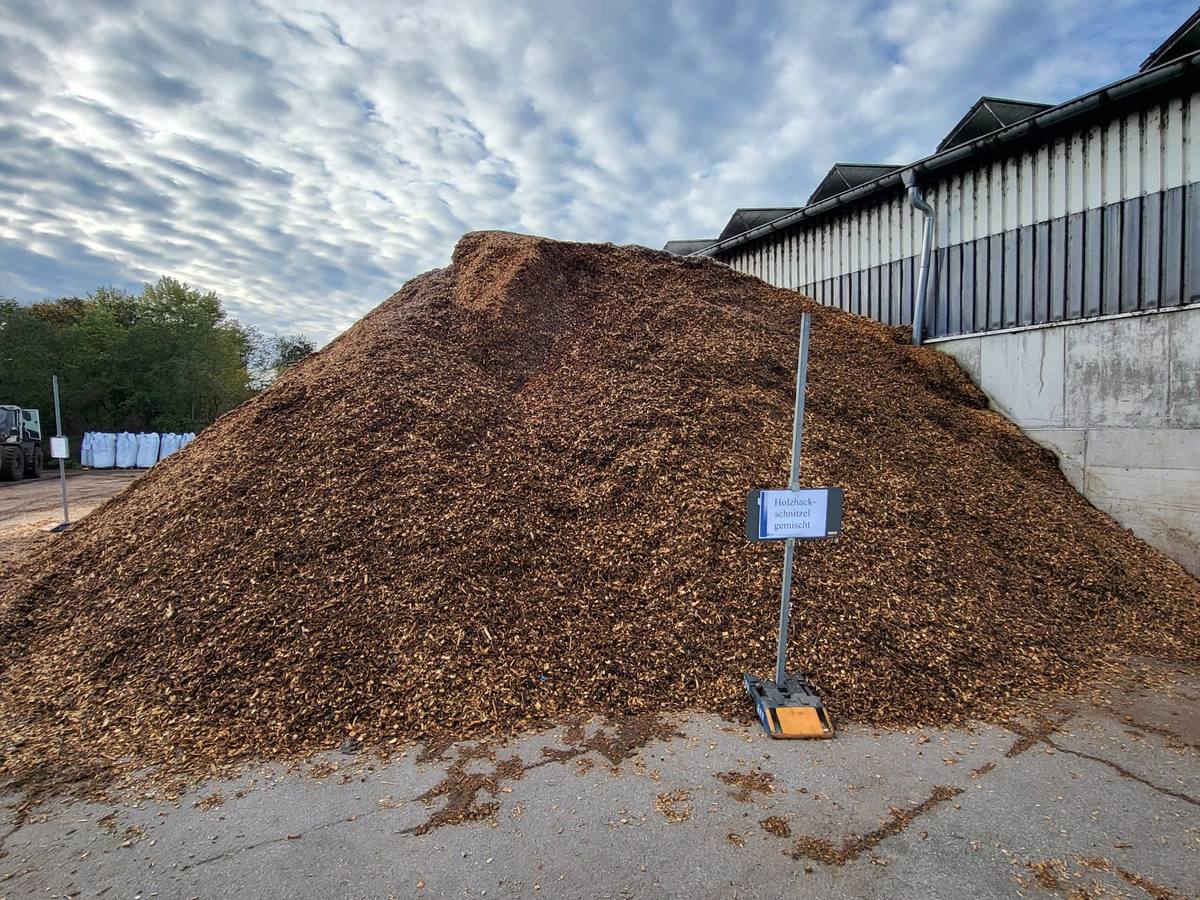
 info@pyro-power.com
  +49 355 866 870 82
  pyropower GmbH