
Pyrolysis plant at a sawmill: what it costs and earns
12.11.2026
Pyrolysis plant at a sawmill: what it costs and earns
In short: A pyrolysis plant at a sawmill turns wood waste into energy instead of disposing of it: it produces heat, biochar and, depending on the plant, electricity. In our highly simplified example, the Pyro-Hex 315 (heat only) costs around €1.7m and earns a surplus of around €0.82m a year. The Pyro-ClinX 150 (electricity and heat) costs around €3.2m and earns around €0.95m. Below, we explain the options for wood residues and what matters.

Lucie Töpfer
Managing Director, pyropower GmbH

The example at a glance
| Pyro-Hex 315 | Pyro-ClinX 150 | |
| Produces | Heat, biochar | Electricity, heat, biochar |
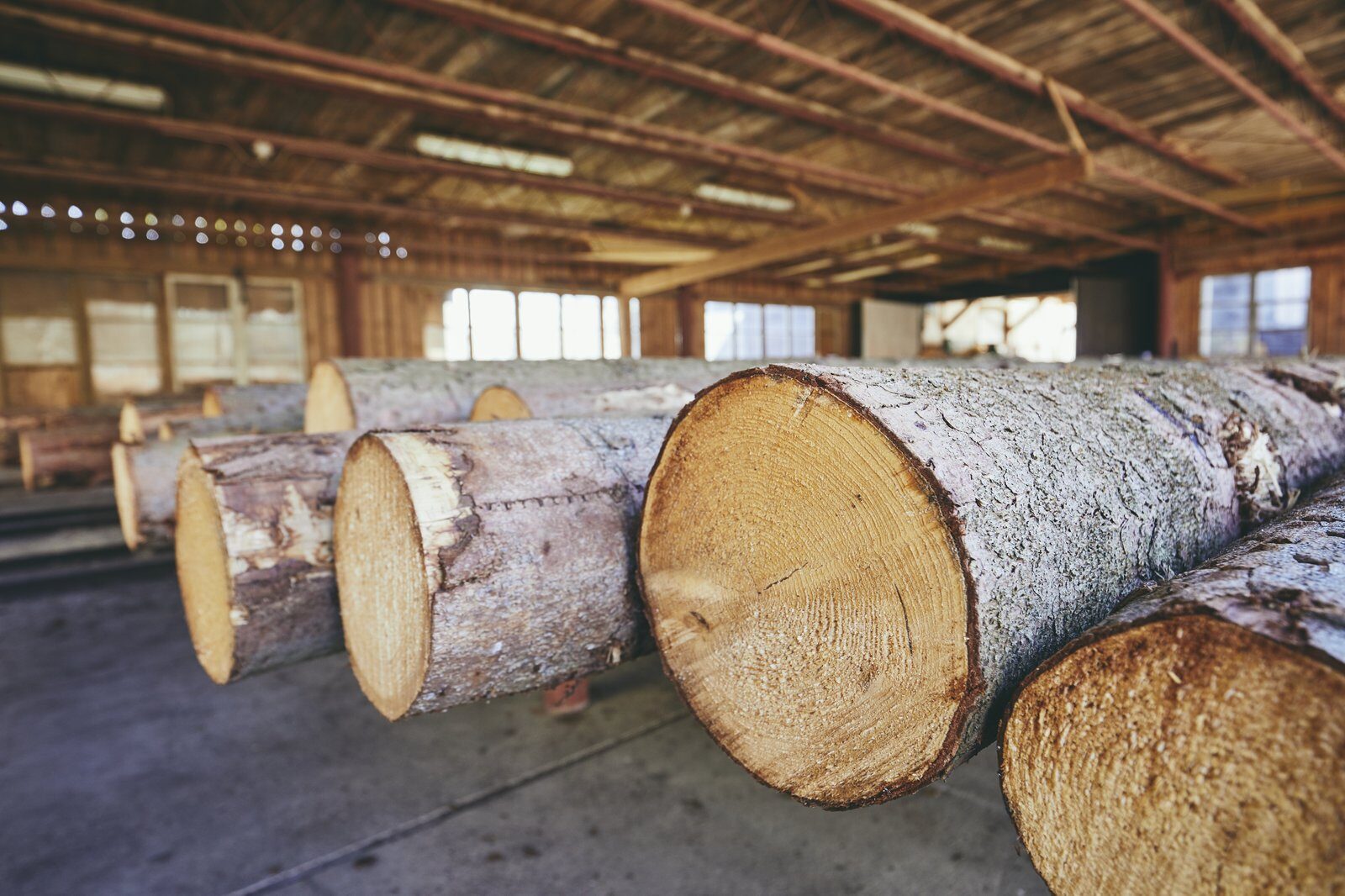
| Own wood residues per year | 3,780 t | 3,780 t |
| Project price, net | €1.7m | €3.2m |
| Revenue per year | €1.1m | €1.2m |
| Costs per year | €0.28m | €0.25m |
| Surplus per year | €0.82m | €0.95m |
| Payback | 2.1 years | 3.4 years |
| CO₂ stored per year (calculated) | 1,720 t | 1,720 t |
Important: This is a highly simplified example based on assumptions from our profitability calculator. It is not generally valid. Every site is different, so we always calculate each project individually with your figures. We are happy to provide a detailed calculation and the exact project price for your site on request.
How the plant works
In the example, a sawmill with drying kilns uses its own wood residues:
Example: one year of Pyro-ClinX 150 at a sawmill
Input ›››
3,780 t
own wood residues per year, valued at €15 per tonne
Plant ›››
Pyro-ClinX 150
around 8,000 hours a year
Output per year
Electricity
1,040 MWh, used on site
€187,000
Heat
2,600 MWh for the drying kilns
€156,000
Biochar
600 t
€600,000
CO₂ certificates
1,720 t CO₂
€258,000
Revenue: around €1.2m per year. Surplus after all costs: around €0.95m per year.
The sawmill uses the electricity and heat itself. pyropower can buy and market the biochar and CO₂ certificates.
Returns and payback
Example Pyro-ClinX 150: revenue and costs per year
Example Pyro-ClinX 150: surplus after deducting the project price
0
5
10
15
Years of operation
Project price not yet recovered Profit
In the example, the project price is recovered after around 3.4 years. Most of the revenue comes from biochar and CO₂ certificates.
Assumptions in the example: own wood residues at €15/t, electricity 18 ct/kWh, heat 6 ct/kWh, biochar €700/t, CO₂ certificates €150/t. Highly simplified, static calculation, without funding, as of 14 October 2026. Not a real customer project and not a promise of specific returns. Detailed calculation on request.
Variant: heat only with the Pyro-Hex 315
The Pyro-Hex 315 uses the same pyrolysis, but without a turbine. It produces no electricity, but up to 750 kW of heat and the same amount of biochar, at a much lower project price. In the example, the drying kilns receive 4,000 MWh of heat a year from the plant, and the sawmill continues to buy its electricity. For larger volumes of residues, there is the Pyro-Hex 1000 for around 1,000 kg of residues per hour instead of 315 kg.
Example Pyro-Hex 315: revenue and costs per year
Example Pyro-Hex 315: surplus after deducting the project price
0
5
10
15
Years of operation
Project price not yet recovered Profit
In the example, the project price of around €1.7m is recovered after around 2.1 years. Which plant fits better depends mainly on how much heat and how much electricity you need yourself.
Assumptions in the example: 4,000 MWh of heat used at 6 ct/kWh, own wood residues at €15/t, plant electricity demand around €34,000 per year, biochar €700/t, CO₂ certificates €150/t. Highly simplified, static calculation, without funding, as of 14 October 2026. Not a real customer project and not a promise of specific returns. Detailed calculation on request.
Wood waste to energy: the options
Sawmills and wood processors have several options for their residues. Which one pays off depends on quantity, quality and their own energy demand.
- Selling: Wood chips, shavings and bark go to heating plants or the wood-based panel industry. The revenue fluctuates with the market.
- Burning in your own boiler: This provides heat, for example for the drying kilns, but no electricity.
- Wood gasifier or wood chip CHP: These provide electricity and heat, but usually need uniform, dry fuel.
- Pyrolysis: It provides electricity, heat and biochar. The carbon remains stored in the biochar and can be marketed as a CO₂ certificate.
Our article Wood chip CHP, gasifier or pyrolysis plant offers a detailed comparison. What pyropower offers sawmills and wood processors is shown on our wood waste to energy page.
What determines profitability
Whether a plant pays off depends mainly on these points:
- Residues: Your own residues cost little or nothing, bought-in wood chips cost more. Fuel is often the largest cost item.
- Heat: The more heat you use throughout the year, the faster the plant pays off.
- Electricity: Used on site, it replaces grid power, currently around 18 ct/kWh or more for industry in Germany. Fed into the grid under the EEG, it earns around 12.5 ct/kWh.
- Biochar: It is usually the largest revenue item. The price depends on quality and buyer. pyropower can buy the biochar.
- CO₂ certificates: The carbon in the biochar can be certified as a carbon sink. According to IETA, prices range from 100 to 300 US dollars per tonne.
- Funding: Depending on the project, grants are possible. The example does not include any funding.
How a project works
- Initial call and profitability check: We calculate your project with your figures. The first check is free of charge.
- Test pyrolysis: On request, we check in advance how well your residue is suited.
- Pre-project phase: Site, permits, heat and power use, biochar offtake and funding in detail.
- Quotation: with the exact project price for your site.
- Construction and operation: Planning, construction and commissioning from a single source. The plant runs fully automatically with remote monitoring.
Frequently asked questions
How can a sawmill turn wood waste into energy?
Wood residues can be sold, burned in your own boiler or converted in a pyrolysis plant into heat, biochar and, depending on the plant, electricity. Which option pays off depends on the business.
Pyro-Hex 315 or Pyro-ClinX 150: which fits better?
If you mainly need heat, the Pyro-Hex 315 costs less. If you also need a lot of electricity yourself, the Pyro-ClinX 150 is the better fit. We are happy to calculate which plant pays off better for you with your figures.
What does a pyrolysis plant for a sawmill cost?
In the example, around €1.7m net for the Pyro-Hex 315 and around €3.2m for the Pyro-ClinX 150, each including storage, drying, discharge and project planning. We state the exact project price for your site in our quotation.
Does the example apply to my business?
Not automatically. The example is highly simplified. Residues, heat demand, electricity price and biochar sales differ everywhere. We are happy to prepare a detailed calculation for your business on request.
- Biochar plant on a farm: what it can cost and earn
- Biomass district heating costs: what a pyrolysis plant with a boiler house can cost and earn
- How much does a pyrolysis plant cost?: investment and operation at a glance
- Wood industry: turning wood residues into energy with Pyro-ClinX and Pyro-Hex
- Pyro-ClinX: pyrolysis CHP for electricity, heat and biochar
Download
Pyro-ClinX brochure and data sheet
Technical data, feedstocks, products and the course of a project at a glance (PDF).
Download brochure (PDF)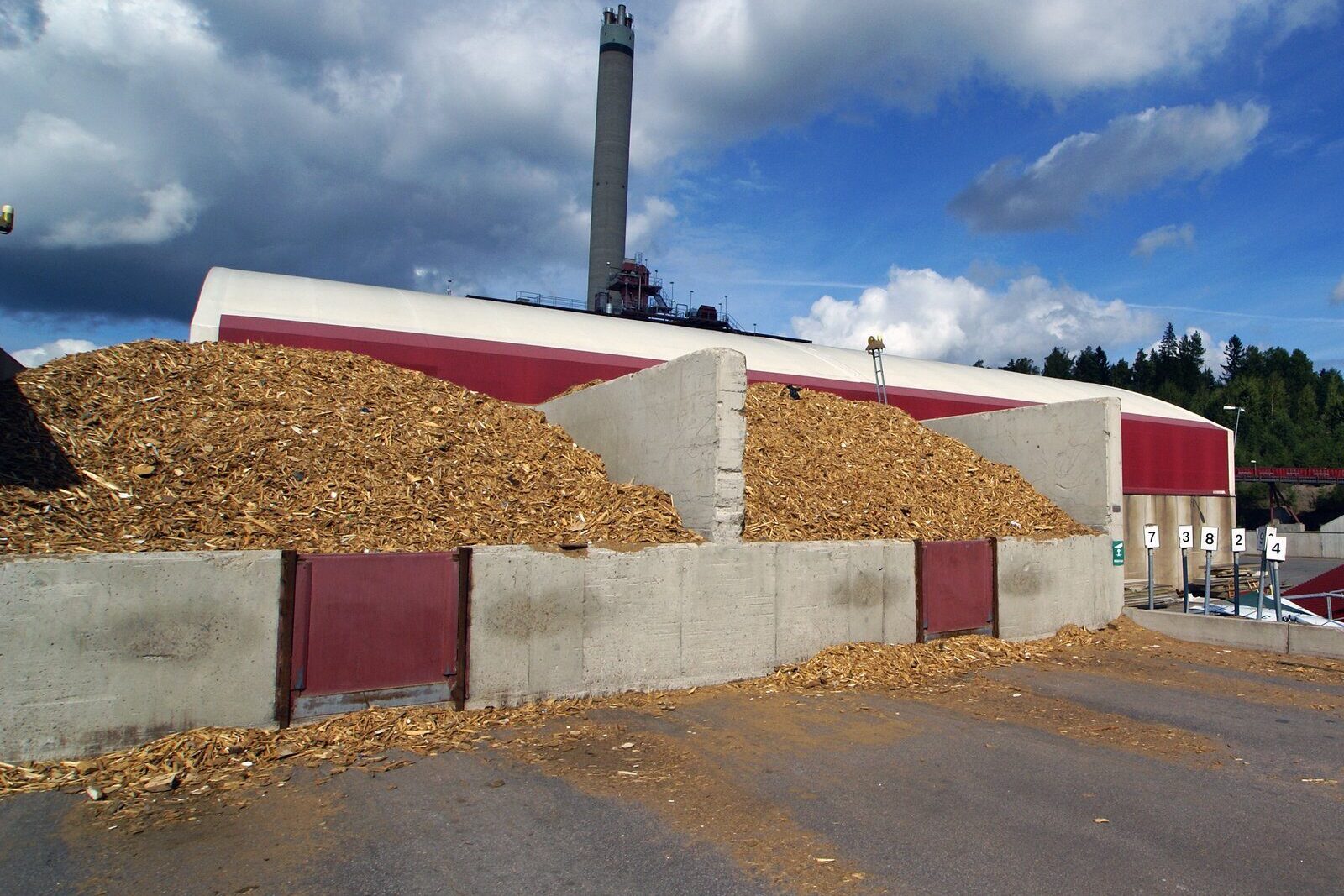

 info@pyro-power.com
 +49 355 866 870 82
 pyropower GmbH