
Wood Chip CHP, Wood Gasifier or Pyrolysis Plant: Which Suits Which Site?
11.09.2026
Wood Chip CHP, Wood Gasifier or Pyrolysis Plant: Which Suits Which Site?
Grid fees, levies and charges make up a large part of the electricity bill. Add to that volatile power prices and the pressure to provide process heat without natural gas. This makes on-site generation attractive again, especially where power and heat are needed around the clock.
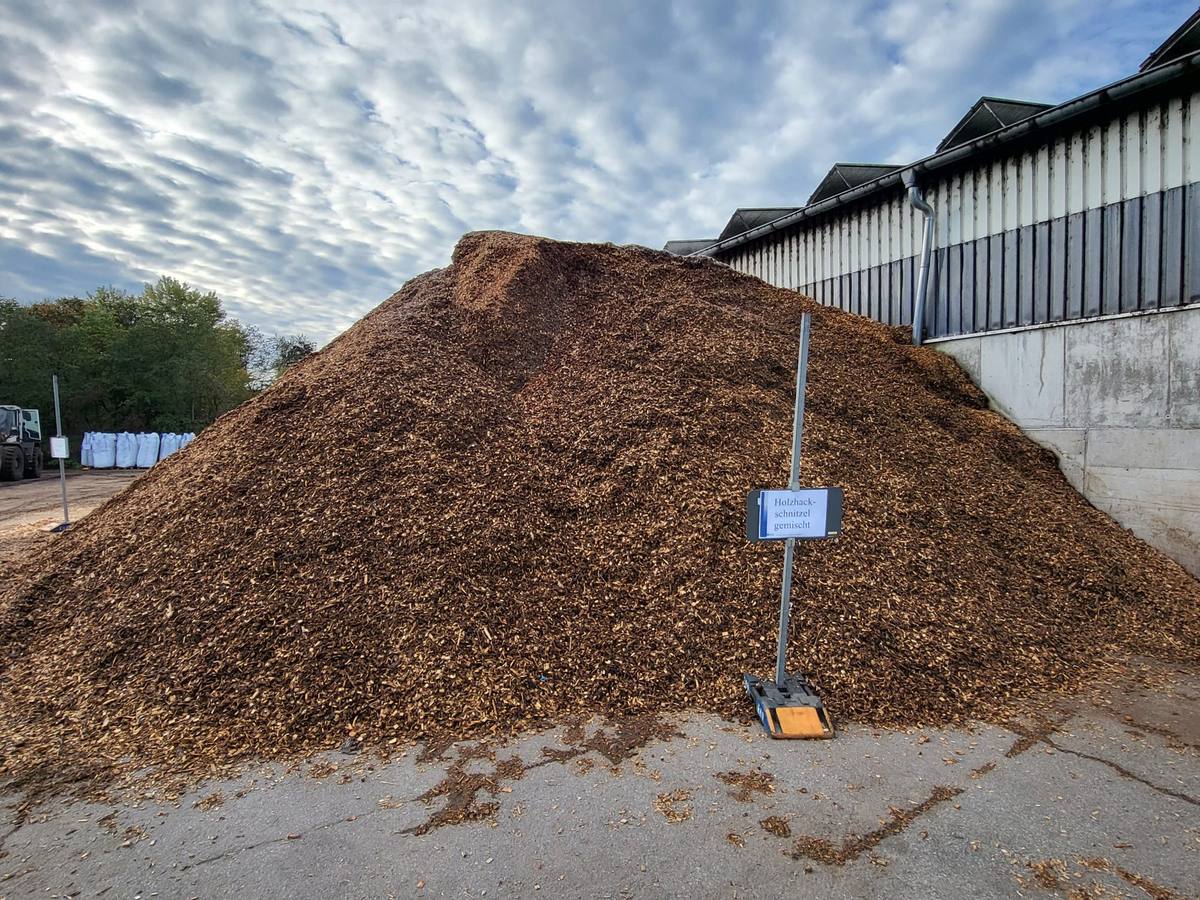
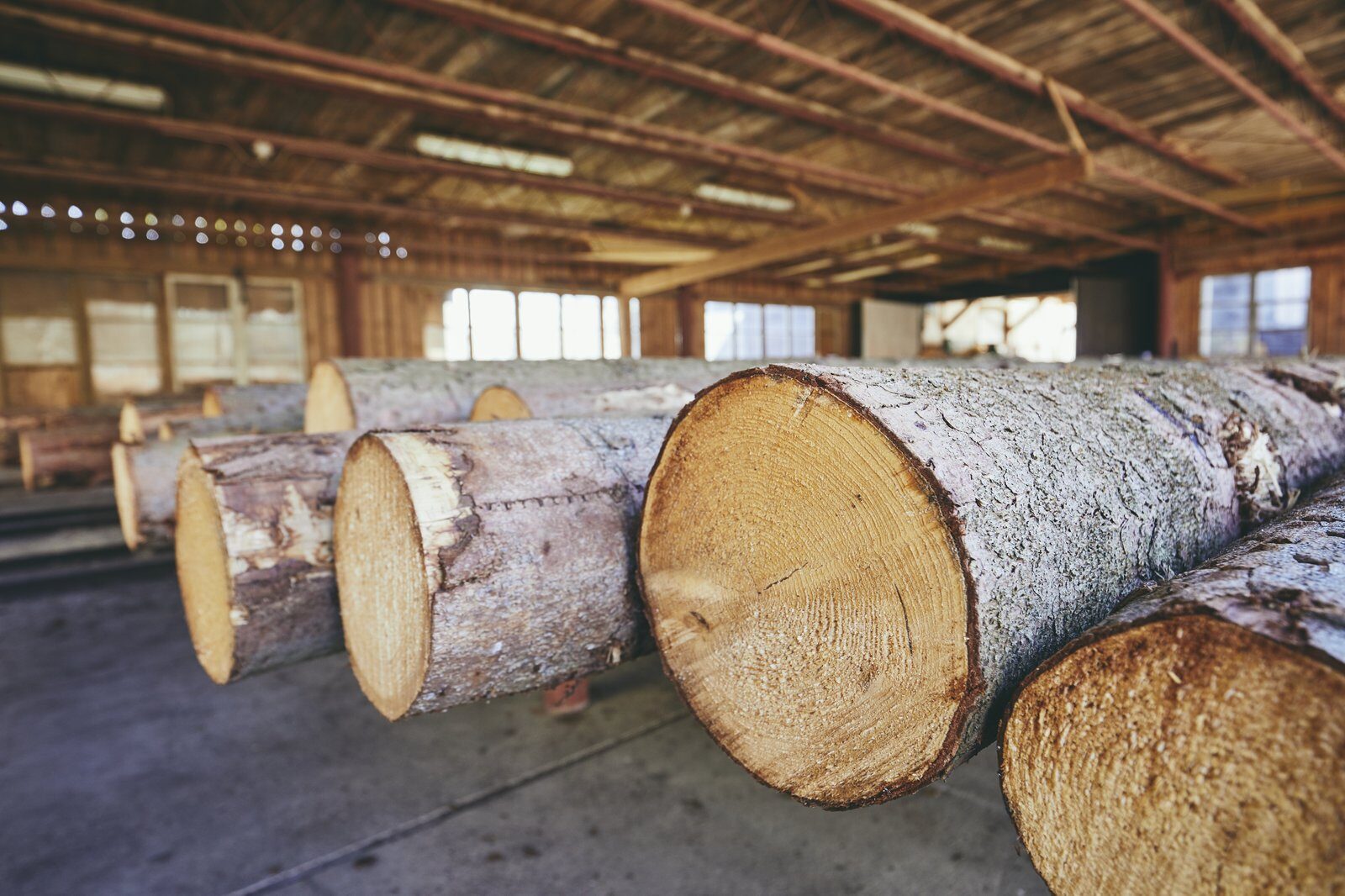
If you have your own wood residues, you already own the fuel. Sawmill residues, chips, bark or landscape maintenance material often cause costs for removal and disposal today. There are three common ways to generate power and heat from wood. They differ in size, fuel requirements, maintenance and in what is left at the end.

Sebastian Kießling
Managing Director Technology, pyropower GmbH

Key points at a glance
- All three technologies generate power and heat from wood. The difference lies in what happens to the carbon in the wood.
- Heat and power plants with steam or ORC burn the wood completely. Wood gasifiers convert it almost completely into gas.
- A pyrolysis plant retains around one fifth to one quarter of the input as biochar. This creates two additional revenue streams: biochar and CO₂ certificates.
- Which technology fits depends on fuel quality, year-round heat demand, plant size and whether biochar is to become a line of business.
Three technologies at a glance
Wood chip heat and power plant with steam or ORC
The wood is burned completely in a boiler. The heat produces steam or heats an organic working fluid (ORC) that drives a turbine. The technology is proven and robust, even with varying fuel.
It usually only becomes economical in the megawatt range. Below that, boiler, turbine and cooling are expensive relative to the amount of power produced. Ash remains and has to be disposed of or recycled.
Wood gasifier CHP
In the gasifier, the wood is converted into combustible wood gas with little oxygen. The gas is cooled, cleaned and burned in a gas engine that drives a generator. The waste heat from the engine and gas cooling is used as heating heat.
Electrical efficiency is high, and plants are available from a few dozen kilowatts. The price for this is a high demand on the fuel: wood gas contains tar, which damages the engine if gasification and gas cleaning do not run smoothly. That is why most gasifiers require dry, uniform wood chips.
Pyrolysis plant with externally fired micro gas turbine
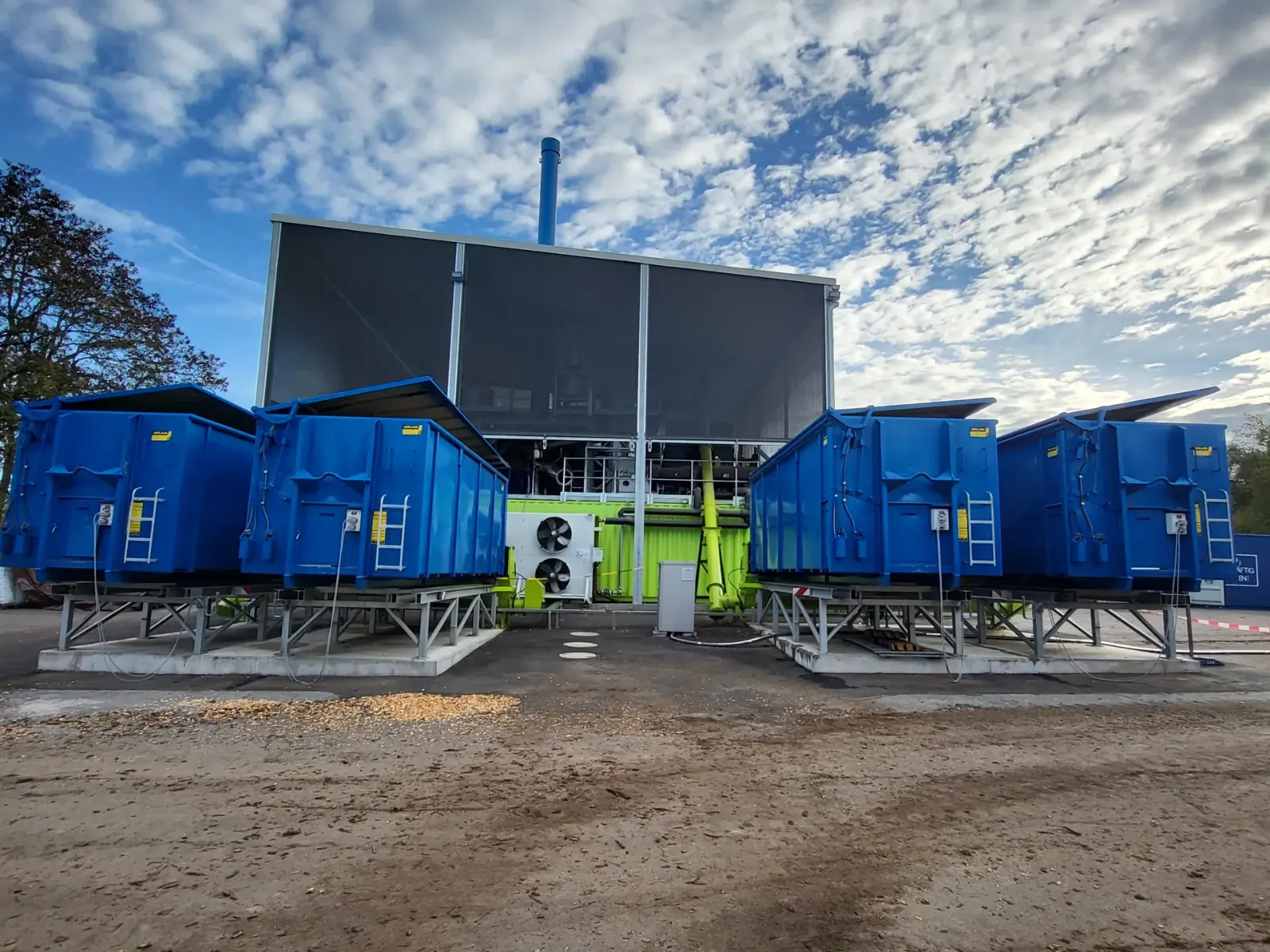
In pyrolysis, the wood is heated to 650 to 800 °C in the absence of oxygen. This produces pyrolysis gas and biochar. The gas is burned directly in a FLOX burner, and the hot exhaust gases transfer their energy to air via a high-temperature heat exchanger.
This hot, clean air drives a micro gas turbine. Because the turbine is externally fired, it never comes into contact with the pyrolysis gas. Gas cleaning as with a wood gasifier is therefore not necessary. The turbine runs on air bearings and without lubricating oil. The solid carbon leaves the plant as biochar.
The Pyro-ClinX 150 has an electrical output of 150 kW gross and a thermal output of max. 450 kW. Several plants can be combined at one site.
Fuel: what the plants require
The fuel often decides the success of a plant more than the technology itself. Three properties count: moisture content, particle size and uniformity.
Heat and power plant. Boilers for steam or ORC are tolerant. They also process wet, uneven material and bark. That makes them interesting for large volumes of mixed residues.
Wood gasifier. Most gasifiers need dry wood chips with a low share of fines and a consistent size. Wet or dusty material disturbs gasification and increases the tar content of the gas. In practice this often means in-house drying and screening upstream of the plant.
Pyrolysis plant. The Pyro-ClinX is designed for wood chips G30 to G45 with an oversize particle length of up to 120 mm. It processes up to 25 % moisture content, then at reduced output, and also copes with inhomogeneous material. We check and approve other residues in advance.
If you are unsure about the quality of your residue, have it analysed before any investment. Moisture content, calorific value and ash content can be determined quickly in the lab.
Operation and maintenance in everyday use
A plant for power and heat pays off through operating hours. Every shutdown for maintenance or a fault costs revenue. That is why it is worth looking at what is regularly required in operation.
Heat and power plant. Depending on their size, steam plants need qualified staff and are subject to strict inspection obligations. ORC plants are easier to operate but are also designed for larger outputs.
Wood gasifier. The gas engine needs regular oil changes, spark plugs and inspections. In addition there is cleaning of the gas train and disposal of condensate and filter residues. How much effort is involved depends heavily on fuel quality.
Pyrolysis plant. The externally fired micro gas turbine only sees hot air and no fuel gas. It runs on air bearings, without lubricating oil, and is designed for continuous operation. The plant runs fully automatically with remote monitoring, and maintenance follows the agreed service level. You run the plant yourself. If required, we take over operation in full or in part.
What comes out at the end
Heat and power plants and wood gasifiers deliver two products: power and heat. A pyrolysis plant delivers four: power, heat, biochar and CO₂ certificates. Part of the carbon that would escape as CO₂ during combustion remains bound in the biochar.
Using the Pyro-ClinX 150 as an example, the mass balance looks like this:
| Parameter | per hour | per tonne of wood chips | per year at 8,000 operating hours |
|---|---|---|---|
| Wood chips (10 % moisture content) | 315 kg | 1,000 kg | around 2,520 t |
| Power (gross) | 150 kWh | around 475 kWh | around 1,200 MWh |
| Heat | max. 450 kWh | up to around 1,400 kWh | up to around 3,600 MWh |
| Biochar (dry matter) | 75 kg | around 240 kg | around 600 t |
Guide values at rated output. Actual values depend on fuel, heat offtake and mode of operation.
Biochar is used in agriculture, growing media, building materials and industry. Which EBC class is achieved depends on the residue used. You decide what happens to the char: use it yourself, market it yourself or, if you wish, pass it on to pyropower together with the CO₂ certificates. Offtake by us is an option, not a requirement.
CO₂ certificates arise because the carbon in the biochar remains bound over the long term. The sink can be certified according to recognised standards, for example C-Sink. You can organise certification and marketing yourself or hand them over to us if you wish.
Heat is available from the Pyro-ClinX at up to 360 °C, in a special design up to 550 °C. This makes it suitable not only for space heating and heating networks but also for process heat, for example for drying.
The question is rarely which technology is best. It is which one fits your fuel and your heat demand. That is why we look at the site first and only then at the plant.
Lucie TöpferManaging Director, pyropower GmbH
The comparison
| Criterion | Heat and power plant (steam/ORC) | Wood gasifier CHP | Pyrolysis plant (Pyro-ClinX) |
|---|---|---|---|
| Principle | complete combustion | gasification + gas engine | pyrolysis + externally fired micro gas turbine |
| Typical size | usually from the megawatt range | approx. 20 to 500 kW electrical | 150 kW electrical (gross) per plant, can be combined |
| Fuel requirements | low | high (dry, uniform) | medium (up to 25 % moisture, also inhomogeneous) |
| Gas cleaning | not required | required | not required |
| What remains | ash | ash, some charcoal | biochar (20 to 25 % of input) |
| Revenue streams | power, heat | power, heat | power, heat, biochar, CO₂ certificates |
| Electrical efficiency | medium | high | lower, but with a material output |
Five questions about your site
- How much power and heat do you need, and how steady is the demand? A base load over many hours a year is the most important prerequisite for any combined heat and power plant.
- What temperature does your heat need to have? Space heating, process heat for drying or steam have different requirements.
- Which fuel is available? Quantity, moisture content and uniformity decide which technology is an option. Your own residues are a plus but not a prerequisite.
- How much operating effort is acceptable? Staff, maintenance and fuel preparation belong in every calculation.
- Should biochar play a role? If you use or market it yourself, you gain revenue. If you do not want to, you can pass it on to us if needed.
Conclusion
The site decides which technology fits. For large outputs and mixed material, the heat and power plant is the first choice; for a lot of power from very good fuel, the wood gasifier. The pyrolysis plant fits where heat is needed all year round, the fuel may vary and biochar adds extra value.
In pyrolysis, part of the carbon does not go into the atmosphere as CO₂. It leaves the site as a product. In the initial consultation we clarify demand, fuel and site. The consultation is free of charge.
Frequently asked questions
What is the difference between pyrolysis and gasification?
In gasification, the wood is converted almost completely into gas. In pyrolysis, a solid carbon fraction, the biochar, is deliberately produced alongside the gas.
Do I need my own residues for a pyrolysis plant?
No. The plant runs on commercially available wood chips. Your own wood residues can be used if they suit the plant. We check this in advance.
Can I use a pyrolysis plant for heat only?
Yes. Pyro-Hex is a pyrolysis plant without a micro gas turbine that produces heat and biochar.
What happens to the biochar if I do not need it myself?
You can sell it through your own channels or pass it on to us if needed. We take biochar and CO₂ certificates if you wish. This is an offer, not an obligation.
How do I find out which technology suits my site?
In the pre-project phase we examine demand, fuel, site and economic viability. The result is a sound basis for your decision.
Download
Pyro-ClinX brochure and data sheet
Technical data, feedstocks, products and the course of a project at a glance (PDF).
Download brochure (PDF)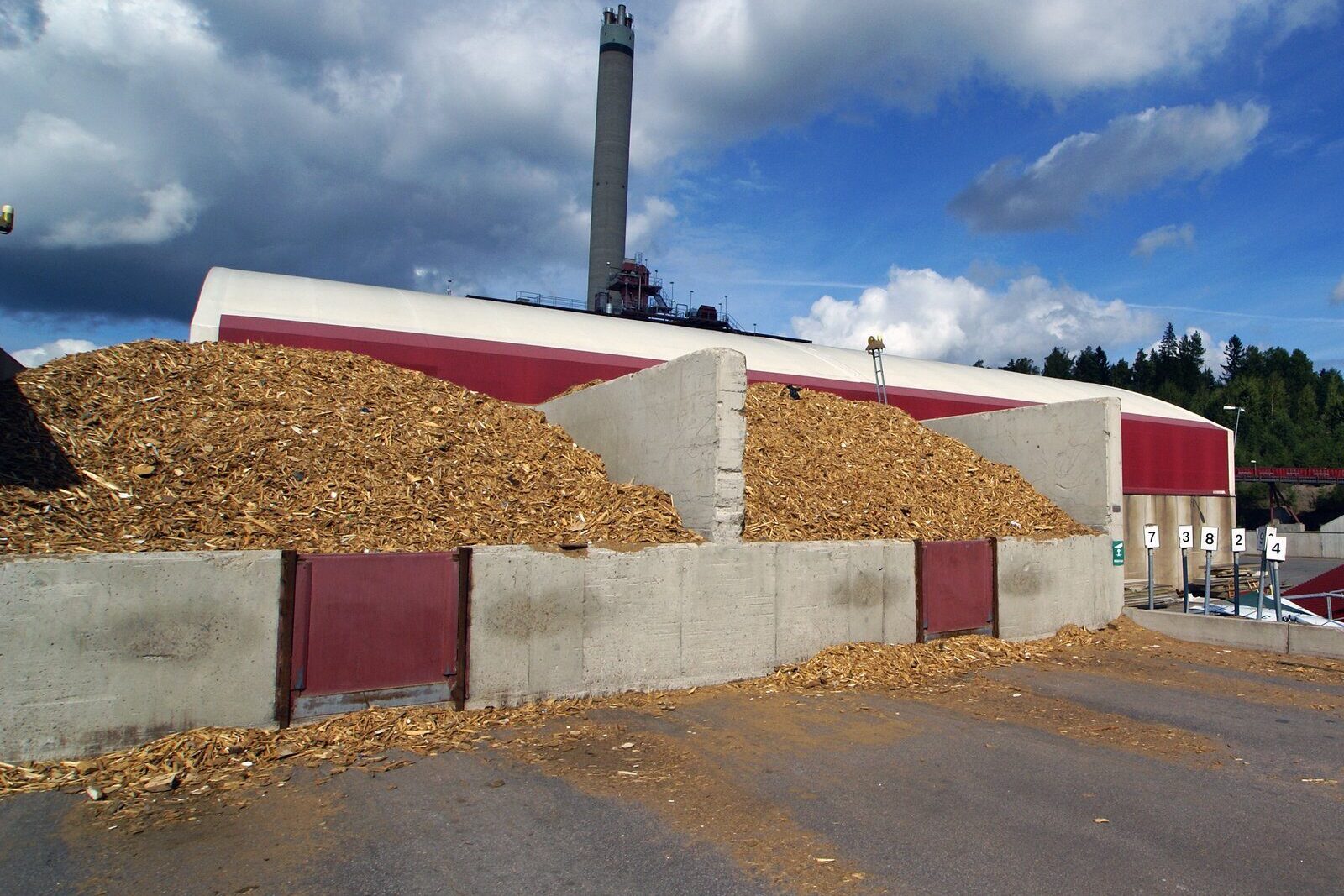

 info@pyro-power.com
 +49 355 866 870 82
 pyropower GmbH