
Micro gas turbine: design, output, applications and costs at a glance
24.11.2026
Micro gas turbine: design, output, applications and costs at a glance
A micro gas turbine is a small gas turbine that generates electricity and heat. It operates in the output range up to around 400 kW electrical, spins at up to 96,000 revolutions per minute and needs no lubricating oil thanks to air or magnetic bearings. It is mainly used as a combined heat and power unit in commercial buildings, industry and heating networks.
This article explains design and function, gives typical figures for efficiency, fuels, maintenance and costs, and shows what the externally fired micro gas turbine does differently.

Sebastian Kießling
Managing Director Technology, pyropower GmbH

Key facts
- According to ASUE, micro gas turbines cover the output range up to around 400 kW electrical.
- For most units, electrical efficiency is between around 22 and 33 %. With heat utilisation, the plant reaches an overall efficiency of well over 80 %.
- Air or magnetic bearings make lubricating oil unnecessary, which reduces maintenance. ASUE gives a service life of around 80,000 operating hours.
- Conventional micro gas turbines need gaseous or liquid fuels. Externally fired micro gas turbines can also use wood and residues.
- According to ASUE, investment costs are around €2,000/kWel at 50 kW and around €1,000/kWel at 400 kW (as of 2021).
How does a micro gas turbine work?
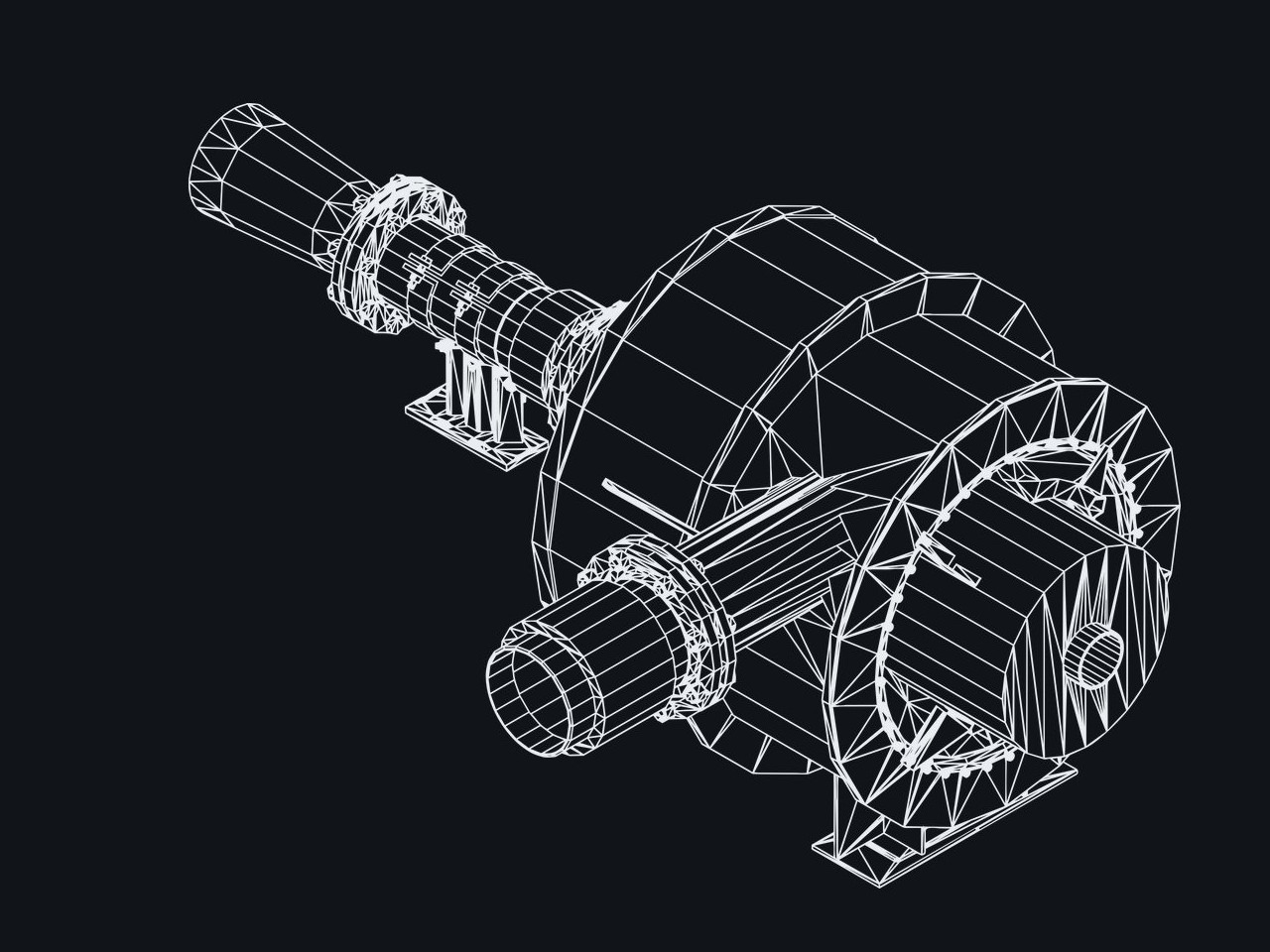
A micro gas turbine works on the same principle as a large gas turbine, only more compact. A compressor draws in ambient air and compresses it. Fuel is added and burned in the combustion chamber. The hot gases drive the turbine, which sits on the same shaft as the compressor and generator.
The main components
- Compressor, turbine and generator on one shaft: The shaft is often the only moving part. Power electronics convert the generator’s high-frequency current into grid-compliant 50 Hz power.
- Air or magnetic bearings: The shaft runs without contact. Lubricating oil and oil changes are not needed.
- Recuperator: A heat exchanger uses the hot exhaust gas to preheat the compressed combustion air. This saves fuel and raises electrical efficiency.
- Exhaust heat exchanger: The remaining heat in the exhaust gas is used for heating, hot water or processes.
Which fuels does a micro gas turbine use?
Conventional micro gas turbines burn the fuel directly in the machine. Gaseous and liquid fuels are suitable, preferably gases such as natural gas, LPG, biogas, sewage gas or biomethane. According to ASUE, micro gas turbines run with a methane content from around 30 % and tolerate hydrogen sulphide up to 7 percent by volume. Hydrogen is also suitable as a fuel; find out more in our article on the H2mGT research project.
A conventional micro gas turbine cannot use solid fuels such as wood. That is what the externally fired micro gas turbine is for.
What the externally fired micro gas turbine does differently
In the externally fired micro gas turbine (EFGT), combustion takes place outside the machine. A high-temperature heat exchanger transfers the heat to clean, compressed air, and only this air flows through the turbine. This makes it possible to use fuels that a conventional micro gas turbine cannot handle: wood, biogenic residues, pyrolysis gas or high-temperature waste heat.
This technology is at the heart of our Pyro-ClinX: wood chips are turned into pyrolysis gas, which oxidises flamelessly. Via the heat exchanger, the heat drives the turbine, and biochar is produced as well. We explain the details in the article Externally Fired Micro Gas Turbine: How the Technology Works.
In the video, we present the Pyro-ClinX 150 with its externally fired micro gas turbine in detail.
Clicking loads the video from YouTube. Data will be transferred to Google.
Micro gas turbines in figures
- Output: from a few kW to around 400 kW electrical per unit; the smallest unit in the ASUE overview has 3.2 kW
- Speed: according to ASUE up to 96,000 revolutions per minute
- Electrical efficiency: around 22 to 33 % for most units
- Overall efficiency with heat utilisation: well over 80 %
- Nitrogen oxides: below 30 mg/m³ without a catalytic converter, TA Luft limit 50 mg/m³
- Service life: around 80,000 operating hours
Where micro gas turbines are used
Micro gas turbines mainly work as combined heat and power units where electricity and heat are needed at the same time. ASUE gives these examples, among others:
- Industry and production, for example the direct drying of bricks and clinker with the clean exhaust gas
- Food retail and wholesale, with cooling via absorption chillers (trigeneration)
- Heat supply for public and older buildings such as care homes and schools
In addition, there are biogas and sewage gas plants as well as sites with wood residues or waste heat, where externally fired plants play to their strengths.
Micro gas turbine or gas engine CHP?
Both generate electricity and heat. The micro gas turbine needs no oil, has few wearing parts and low emissions: according to ASUE, nitrogen oxide emissions are below 30 mg/m³ even without a catalytic converter, while the limit under the German TA Luft is 50 mg/m³. In part-load operation, its electrical efficiency drops only slightly, by around 4 percentage points at half load.
Gas engine CHP units are cheaper to buy. ASUE gives around €1,700/kWel at 50 kW and €800/kWel at 400 kW for engine CHP units. Which technology fits better depends on operating hours, heat demand, fuel and maintenance costs.
What does a micro gas turbine cost?
In its market overview, ASUE gives investment costs of around €2,000/kWel at about 50 kW, falling with size to around €1,000/kWel at 400 kW. For a full maintenance contract, it assumes €0.95 per operating hour at 50 kWel and €3.00 at 400 kWel. The figures date from 2021 and should be read as an order of magnitude.
What a plant costs and earns at your site depends on fuel, heat demand and operating hours. For pyrolysis plants with an externally fired micro gas turbine, you will find the details in the article on pyrolysis plant costs.
Conclusion
The micro gas turbine is a compact, oil-free and low-maintenance power plant for electricity and heat in the range up to around 400 kW. It plays to its strengths where heat is needed all year round. As an externally fired variant, it can also use wood and residues that would otherwise remain unused. We assess together with you whether this fits your site in the Utilization Check.
Frequently asked questions
What is a micro gas turbine?
A small gas turbine in the output range up to around 400 kW electrical that generates electricity and heat. Compressor, turbine and generator sit on one shaft that runs on air or magnetic bearings.
How efficient is a micro gas turbine?
For most units, electrical efficiency is between around 22 and 33 %. If the heat is used, the plant achieves an overall efficiency of well over 80 %.
Are there micro gas turbines for single-family homes?
The smallest units in the ASUE market overview start at 3.2 kW electrical and 15.6 kW thermal. Most micro gas turbines, however, are designed for commercial use, industry and heating networks.
Does a micro gas turbine need oil?
No. The shaft runs on air or magnetic bearings, so lubricating oil and oil changes are not needed. ASUE gives a service life of around 80,000 operating hours.
Can a micro gas turbine run on wood?
Only as an externally fired micro gas turbine. The wood is used outside the machine, and the turbine is driven by clean, hot air via a heat exchanger.
Who manufactures micro gas turbines?
In its 2021 market overview, ASUE names six suppliers for the German market. A well-known international manufacturer is Capstone from California, with platforms of 30, 65 and 200 kW, with whom we have been working for many years.
- Externally Fired Micro Gas Turbine: How the Technology Behind Pyro-ClinX and ClinX Heat Works
- pyropower and Capstone: the micro gas turbine, conventional and externally fired
- Research project H2mGT: hydrogen in the combustion chamber of the micro gas turbine
- Power from Waste Heat: Which Technology Suits Which Temperature?
- Pyro-ClinX: electricity, heat and biochar from wood residues
You can find more videos and insights on our YouTube channel and on Instagram.
Sources
- ASUE: Mikrogasturbinen, July 2021 (in German)
- Baunetz Wissen: Mikrogasturbinen-BHKW (in German)
Learn more
Pyro-ClinX: electricity, heat and biochar from wood residues
Technology, key figures and applications of our plant with an externally fired micro gas turbine.
Go to Pyro-ClinX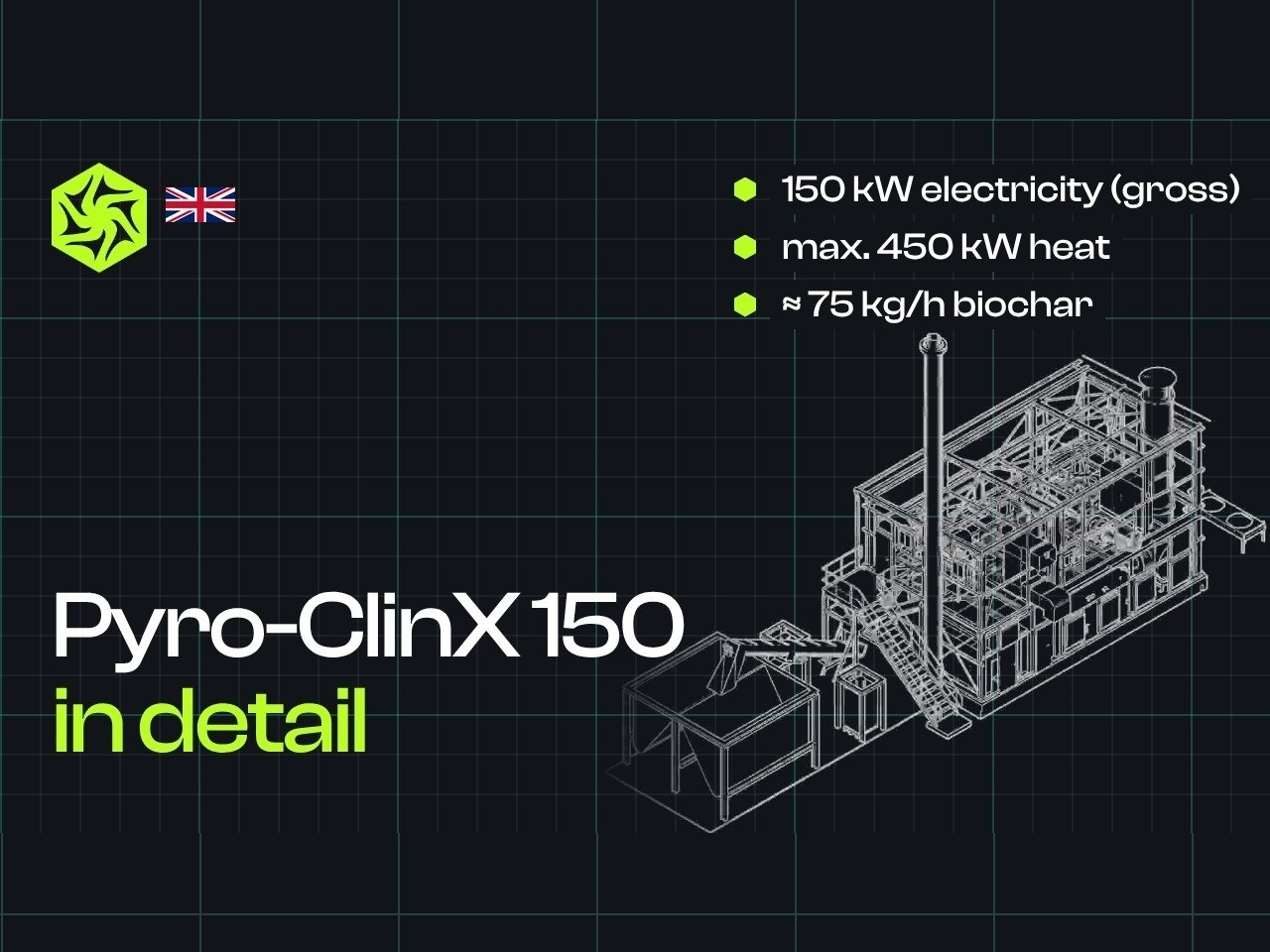
 info@pyro-power.com
 +49 355 866 870 82
 pyropower GmbH