
Own power and heat from wood for a metalworking company
ClinX Wood 50 as the next stage of the energy concept
Project at a glance
| Project type: | Plant |
|---|---|
| Technology: | ClinX Wood 50 with wood combustion chamber and externally fired micro gas turbine |
| Client: | Metalworking company |
| Location: | Germany |
| Objective: | Self-generated share of power of around 80 percent, up to 100 percent with storage, heat entirely from own generation |
| Scope of services: | Design, supply, heating network control, installation and documentation |
| Funding: | BAFA |
| Implemented by: | ClinX Energy Systems GmbH, pyropower group |
Own generation as the next stage of the energy concept
Starting point
A metalworking company already had an energy concept and wanted to generate more of its power and heat itself. The goal was a self-generated share of power of around 80 percent, up to 100 percent with storage, and a heat supply entirely from its own generation.
Implementation
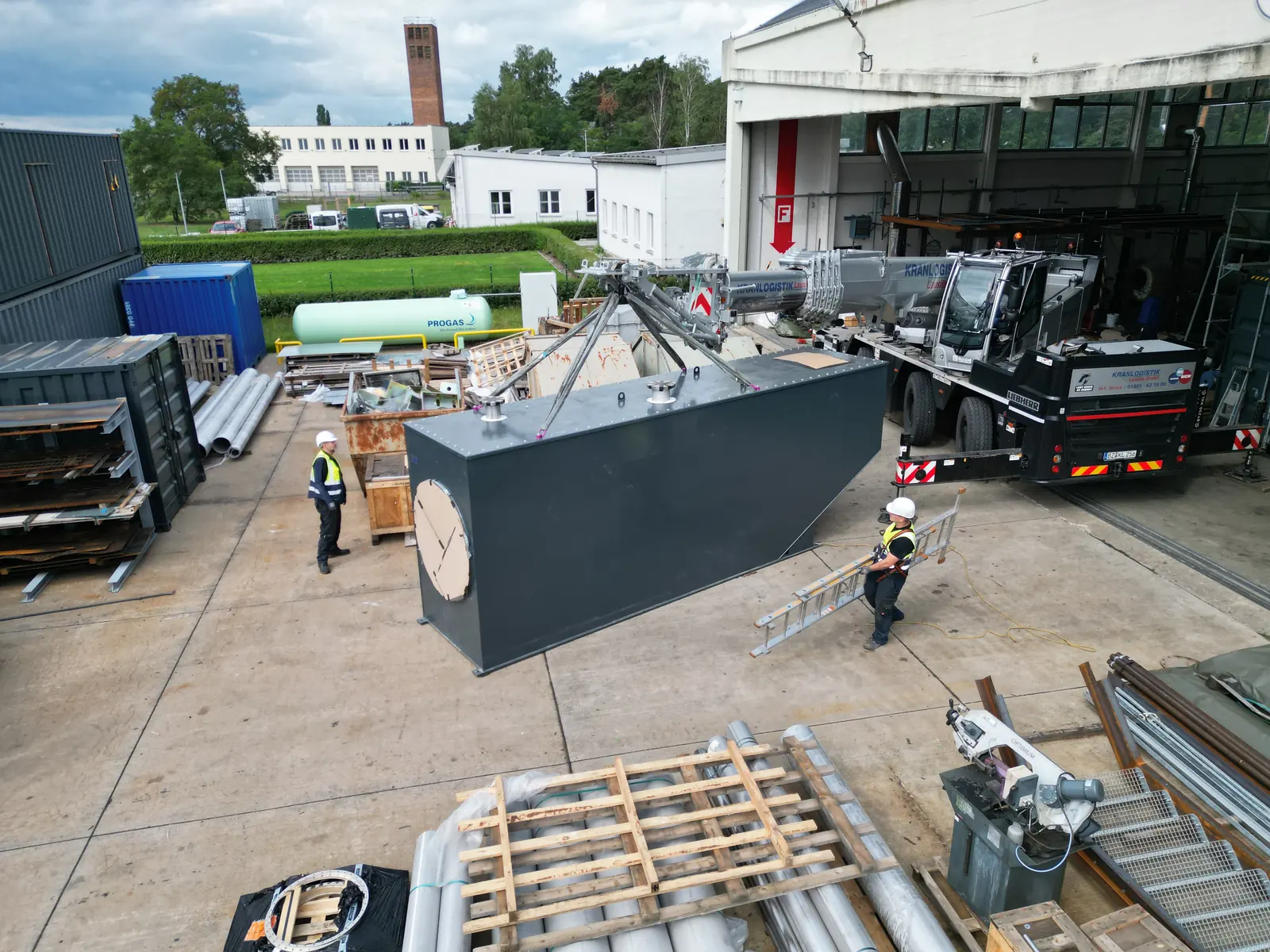
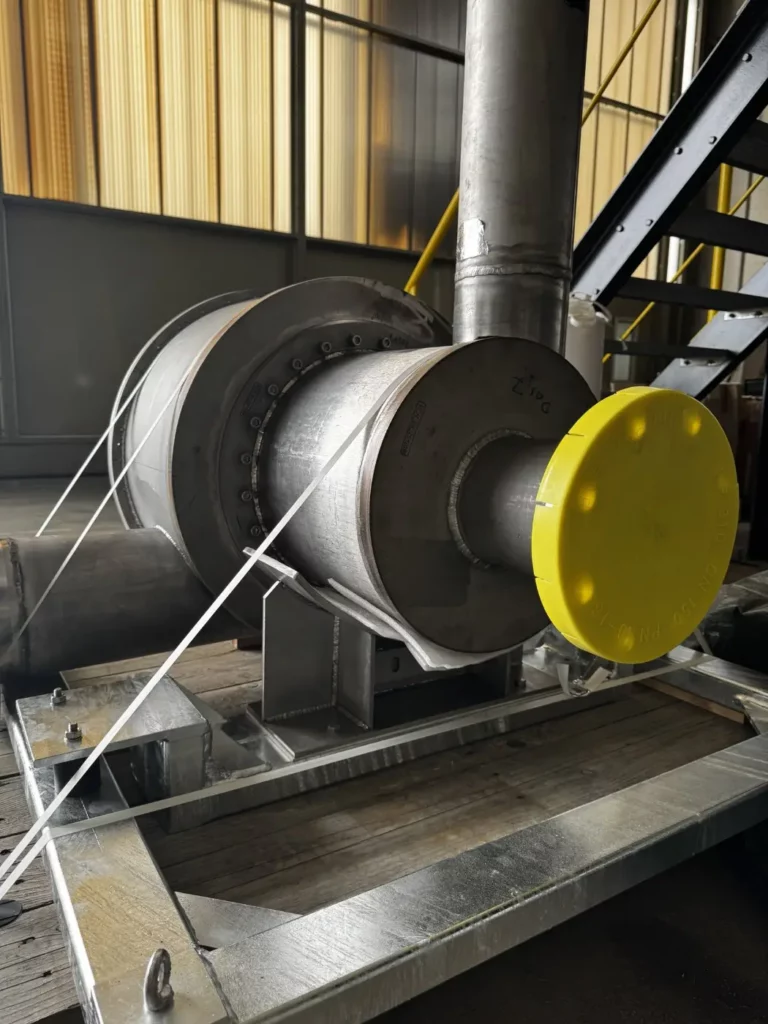
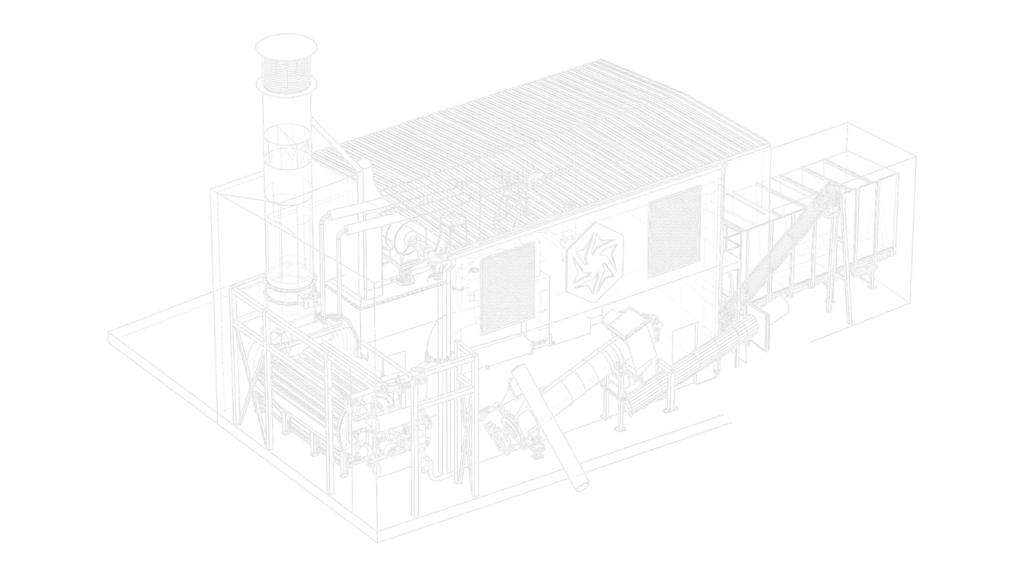
For this, ClinX Energy Systems designed and supplied a ClinX Wood 50 with its own wood combustion chamber as an extension stage of the concept. A high-temperature heat exchanger transfers the heat from wood combustion to clean, compressed air, which drives the externally fired micro gas turbine. The waste heat goes into a heating network on site. The scope also included the heating network control, installation and documentation.
Result
Commissioning is planned in two stages: first the heat, then the power. This secures the heat supply early on, while power generation is added step by step.
Funding
The project was funded by BAFA. With funding programmes, the rule is usually that the application must be submitted before the order is placed.
[ Knowledge ]
Self-consumption and self-sufficiency: two key figures for own power
- Self-consumption rate: share of self-generated power that is consumed on site
- Degree of self-sufficiency: share of power consumption covered by own generation
- Storage: shifts power from times of surplus to times of demand
Two key figures are often confused. The self-consumption rate describes how much of the self-generated power is used on site. The degree of self-sufficiency describes how much of a company’s own consumption comes from its own generation. For companies that want to cover more of their power demand themselves, the degree of self-sufficiency is what matters most.
Both values depend on how well generation and consumption match over time. Unlike photovoltaics, a plant that generates power from wood does not depend on the weather and can deliver evenly for many hours. Load peaks in production, for example when large machines start up, are often above the output of the company’s own generation, however.
This is where storage comes in: it takes up power when less is consumed than generated and releases it again during peaks. This increases the degree of self-sufficiency without having to design the generation for a larger output.
 From the blogWood chip CHP, wood gasifier or pyrolysis plant comparedRead more ›
[ Technology ]
Pyro-ClinX 150
Pyrolysis and an externally fired micro gas turbine in one plant: power, heat and biochar from wood chips.
150 kW power gross · max. 450 kW heat · 600 t biochar per year
[ References ]
Latest projects
Biochar production at an industrial site in Mecklenburg-Western Pomerania
Three Pyro-ClinX 150 plants produce power, heat and biochar from industrial wood residues at an industrial site in Mecklenburg-Western Pomerania.

PyroPark Forst
PyroPark Forst is being developed in Lusatia as an integrated energy site that converts woody residues into electricity, usable heat, biochar and certified carbon removal.

ClinX Heat Power Generation from a Carbonization Plant in Darmstadt
ClinX Heat uses high-temperature energy from an existing carbonization plant to generate additional electricity on site.
 info@pyro-power.com
 +49 355 866 870 82
 pyropower GmbH