
PyroPark Forst: power, heat and biochar from regional residual wood
Six Pyro-ClinX 150 at one site
PyroPark Forst is an integrated energy site in Lusatia that converts woody residues into power, usable heat, biochar and certified carbon removal.

Project at a glance
| Project type: | Own energy site in planning |
|---|---|
| Technology: | 6 × Pyro-ClinX 150 |
| Fuel: | Wood chips and forest residues from the region |
| Location: | Forst (Lusatia), Brandenburg |
| Power: | 6 × 150 kW gross |
| Heat: | 6 × max. 450 kW |
| Biochar: | approx. 3,600 t per year |
| Products: | Power, process heat, biochar and carbon removal certificates |
| Implemented by: | pyropower GmbH |
An integrated energy system for Lusatia
Starting point
Woody residues such as wood chips and forest residues are available in Lusatia. Instead of only using this raw material thermally, PyroPark Forst is to supply energy and at the same time bind carbon as biochar. The PyroPark is pyropower’s own development and combines regional residue utilisation with decentralised energy generation.
Implementation
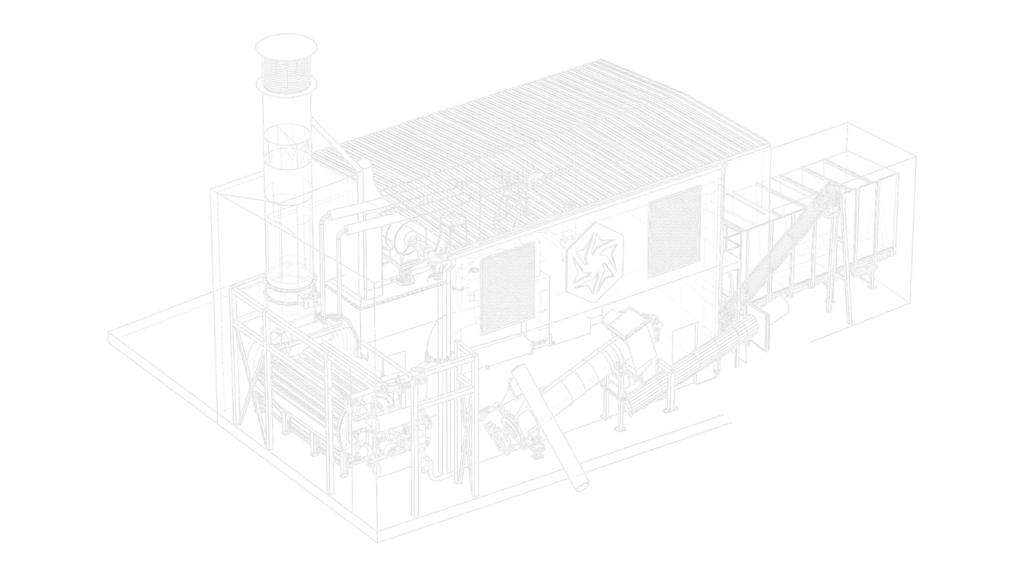
Six Pyro-ClinX 150 are planned. In each plant, the wood is pyrolysed, the pyrolysis gas burns in the combustion chamber and drives an externally fired micro gas turbine via a high-temperature heat exchanger. Part of the power covers the plants’ own demand, and the surplus is intended for feed-in to the public grid. The heat is used, among other things, to pre-dry the fuel. A significant part of the energy thus stays within the process, and the overall efficiency of the site increases.
Biochar and certificates
In total, the six plants come to around 3,600 tonnes of biochar a year. Planned fields of application range from agriculture and building materials to industrial uses, and quality is to be assured through EBC certification classes. The carbon bound in the biochar forms the basis for carbon removal certificates via established systems such as Puro.earth.
Several value streams in one place
PyroPark Forst brings together regional residue utilisation, power generation, internal heat use, biochar and certified carbon removal in one project. Because the Pyro-ClinX is modular, the site can be developed step by step.
[ Setup ]
How the project is set up
[ Knowledge ]
MRV: how carbon removal is verified
- Measure: quantity of biochar, carbon content and process data
- Report: complete documentation of feedstock, production, transport and use
- Verify: independent verification before certificates are issued
For bound carbon to be sold as a certificate, it has to be traceably documented. This is what the abbreviation MRV stands for: Measurement, Reporting, Verification.
Measurements include the quantity of biochar produced, its carbon content and the molar ratio of hydrogen to organic carbon (H/Corg). This value shows how stably the carbon is bound: the lower it is, the more stable the biochar. Emissions from production, transport and application are deducted from the gross quantity, along with a deduction for the share that degrades over time.
Certificates are only issued after verification by an independent body, for example via Puro.earth or according to the C-sink guidelines of the European Biochar Certificate (EBC).
More about biochar › From the blogPyroPark Forst: six Pyro-ClinX for an energy site in LusatiaRead more ›
[ Technology ]
Pyro-ClinX 150
Pyrolysis and an externally fired micro gas turbine in one plant: power, heat and biochar from wood chips.
150 kW power gross · max. 450 kW heat · 600 t biochar per year
[ References ]
Latest projects
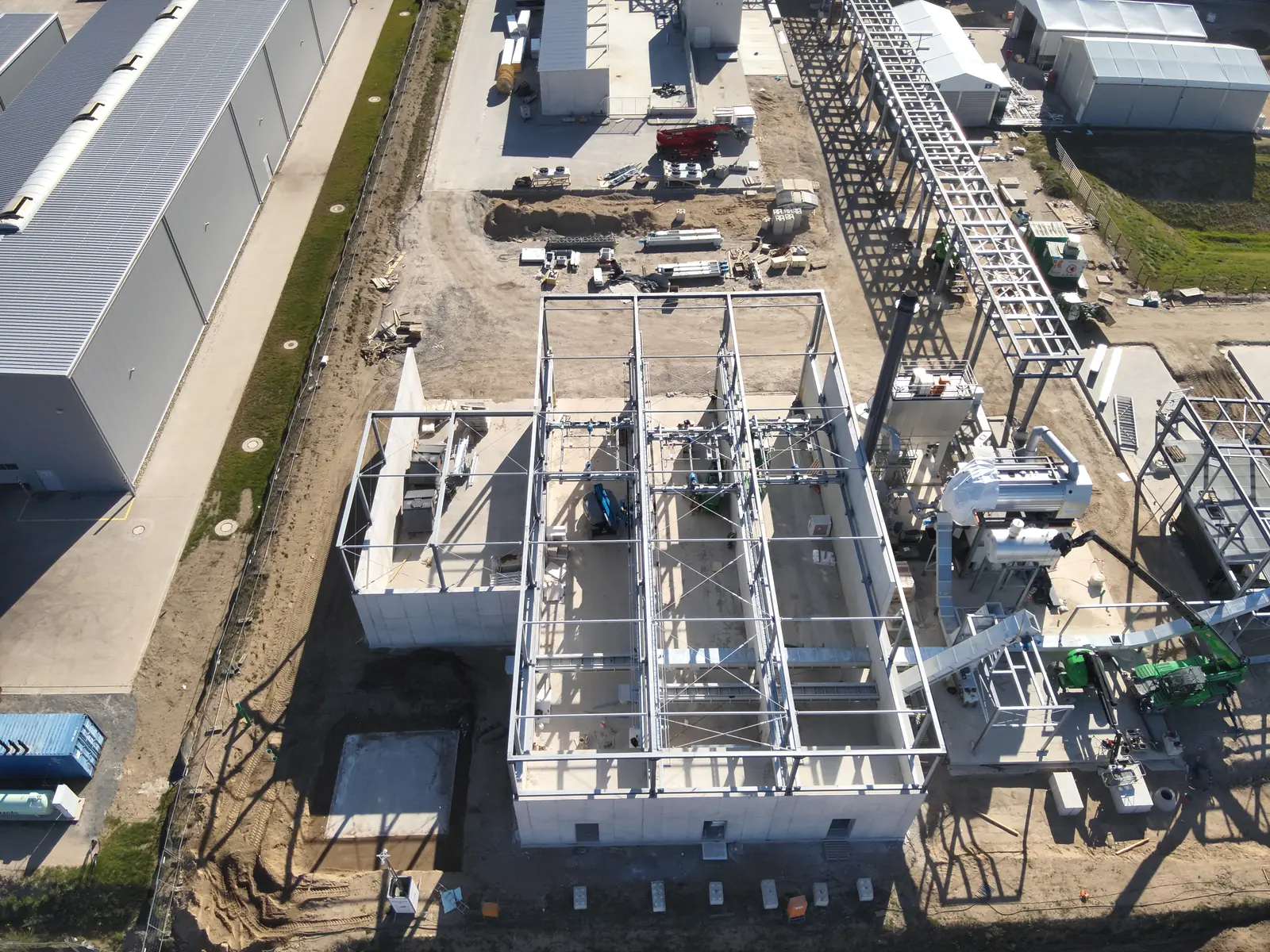
Biochar production at an industrial site in Mecklenburg-Western Pomerania
Three Pyro-ClinX 150 plants produce power, heat and biochar from industrial wood residues at an industrial site in Mecklenburg-Western Pomerania.
PyroPark Forst
PyroPark Forst is being developed in Lusatia as an integrated energy site that converts woody residues into electricity, usable heat, biochar and certified carbon removal.

ClinX Heat Power Generation from a Carbonization Plant in Darmstadt
ClinX Heat uses high-temperature energy from an existing carbonization plant to generate additional electricity on site.
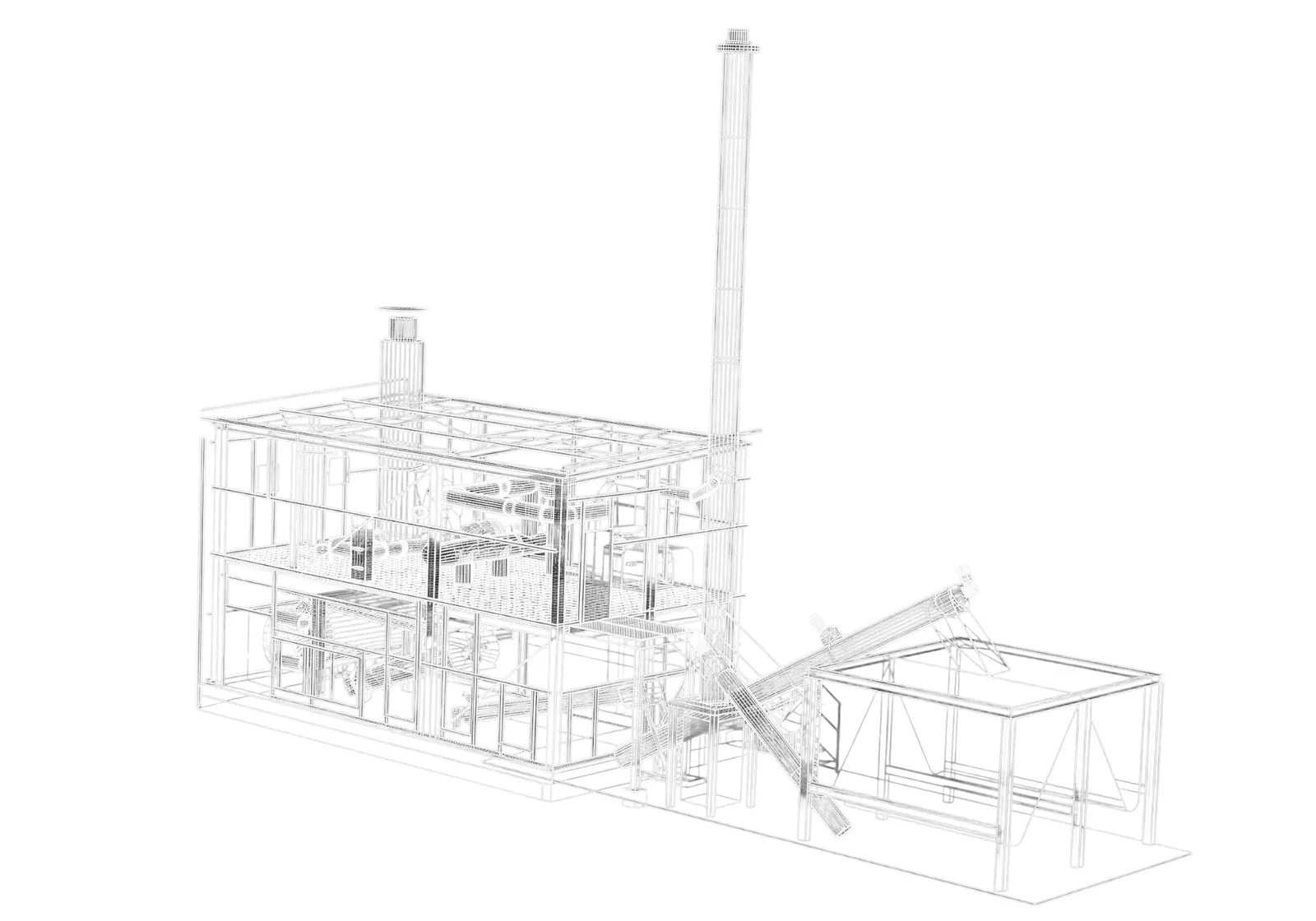
ClinX Heat project planning for a tyre pyrolysis plant in Greece
For a planned tyre pyrolysis plant in Greece, pyropower is planning five ClinX Heat 150 units that convert the pyrolysis gas into power and heat.
 info@pyro-power.com
 +49 355 866 870 82
 pyropower GmbH