
Energy from parquet residues: pre-project for a parquet manufacturer
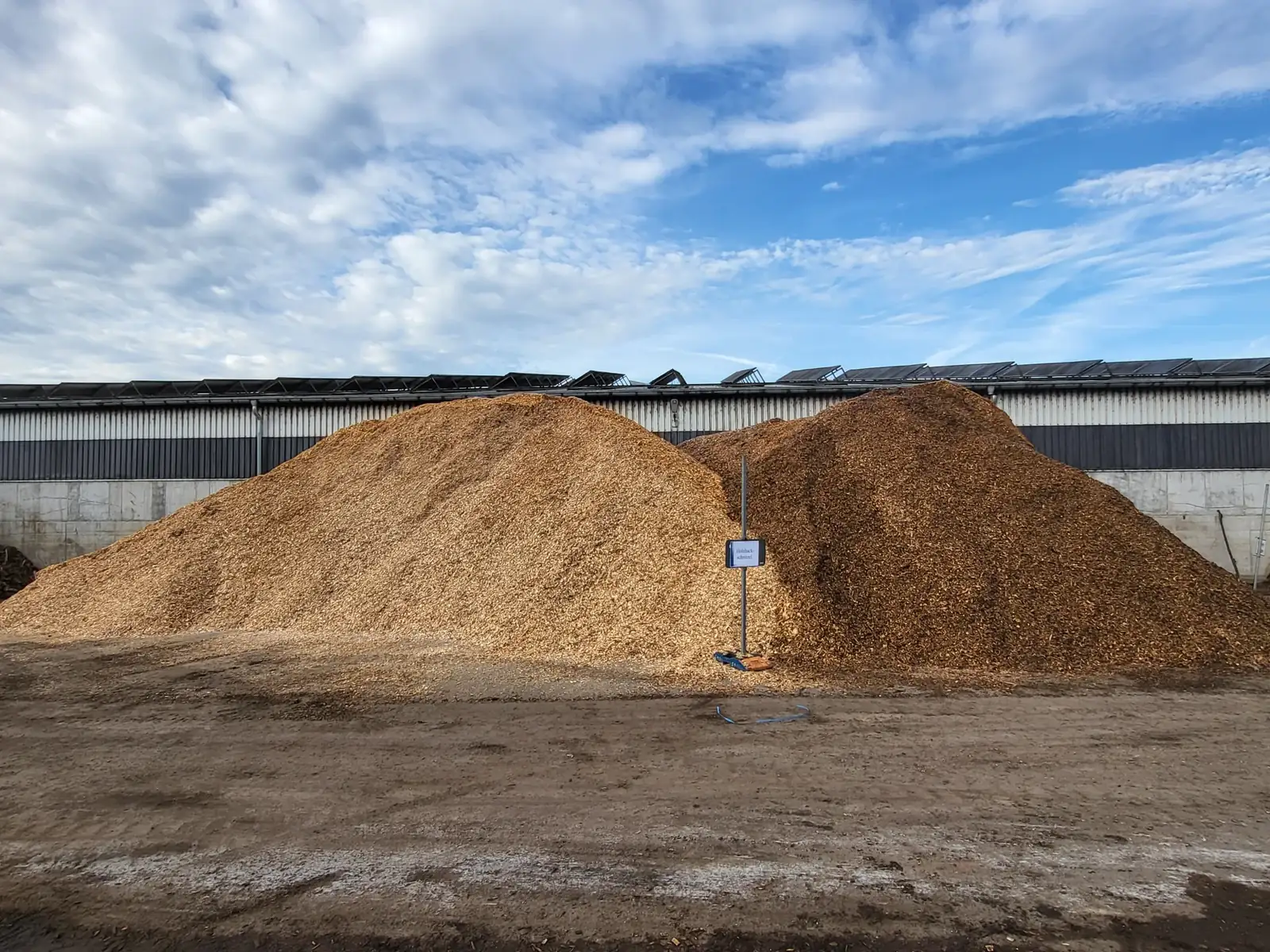
Residual wood from in-house production assessed
Project at a glance
| Project type: | Engineering |
|---|---|
| Client: | Parquet manufacturer |
| Location: | Germany |
| Residues: | Parquet residues and residual wood from in-house production |
| Our scope: | Pre-project on using residual wood for energy |
| Scope: | Residue quantities, fuel suitability, heat demand, plant size, economic viability |
| Implemented by: | ClinX Energy Systems GmbH, pyropower group |
Residual wood from production assessed
Starting point
Parquet residues and residual wood are produced every day in parquet manufacturing. The manufacturer wanted to know whether these could be used to generate its own energy for the site instead of passing them on.
Implementation
ClinX Energy Systems carried out a pre-project for this. The residues were assessed by quantity and suitability as fuel, along with the plant’s heat demand, a suitable plant size and the economic viability of its own generation.
Result
With the completed pre-project, the manufacturer received a sound basis for deciding whether and how to use its residues for energy.
Residues with special properties
Parquet residues are very dry and therefore have a high calorific value. At the same time, they can contain glue, varnish or oil. Whether and in which plant they may be used is therefore one of the first questions in such a pre-project.
[ Knowledge ]
Residual wood in wood processing: cascade use and fuel law
- Cascade use: use wood as a material first, for energy only at the end
- Calorific value: decreases with moisture content; dry production residues are well above fresh wood
- Glued or coated wood: under the 1st BImSchV only in plants from 30 kW and in wood-working and wood-processing businesses
The principle of cascade use is to use wood as a material for as long as possible, for example as solid wood, then as chipboard or fibreboard, and only at the end for energy. Production residues such as parquet offcuts, shavings and sanding dust are often too small or too inconsistent for further material use. For them, energy use at the company’s own site is often the most sensible final step.
In terms of fuel, such residues have an advantage: they are very dry. Because a large part of the energy in fresh wood is lost evaporating the water, the usable calorific value of dry production residues is considerably higher.
Legally, it depends on how the wood has been treated. The 1st BImSchV (German Ordinance on Small and Medium Combustion Plants) distinguishes between untreated wood and wood that is painted, varnished, coated or glued. Such residues may only be used if they are free of wood preservatives and organohalogen coatings, and only in plants with a rated thermal output of 30 kW or more in businesses that work or process wood themselves.
 From the blogPyrolysis explained simply: from wood residues to power, heat and biocharRead more ›
[ Technology ]
Engineering and concepts
From the pre-project phase through concept and economic viability to detailed engineering: we design energy plants for residues, process heat and heating networks.
[ References ]
Latest projects
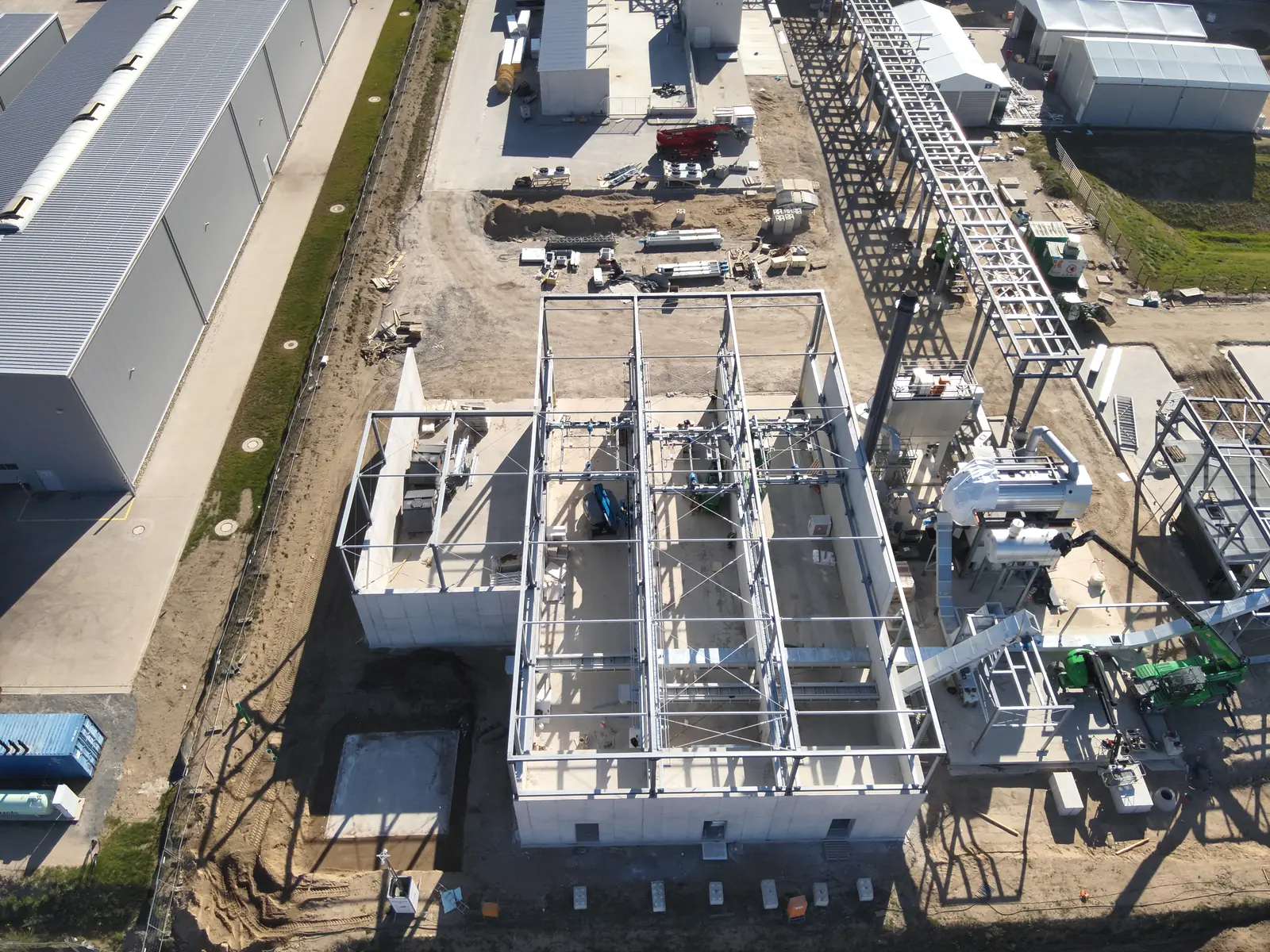
Biochar production at an industrial site in Mecklenburg-Western Pomerania
Three Pyro-ClinX 150 plants produce power, heat and biochar from industrial wood residues at an industrial site in Mecklenburg-Western Pomerania.

PyroPark Forst
PyroPark Forst is being developed in Lusatia as an integrated energy site that converts woody residues into electricity, usable heat, biochar and certified carbon removal.

ClinX Heat Power Generation from a Carbonization Plant in Darmstadt
ClinX Heat uses high-temperature energy from an existing carbonization plant to generate additional electricity on site.
 info@pyro-power.com
 +49 355 866 870 82
 pyropower GmbH