
Additively manufactured components for gas turbines
Laser powder bed process with a joint specification
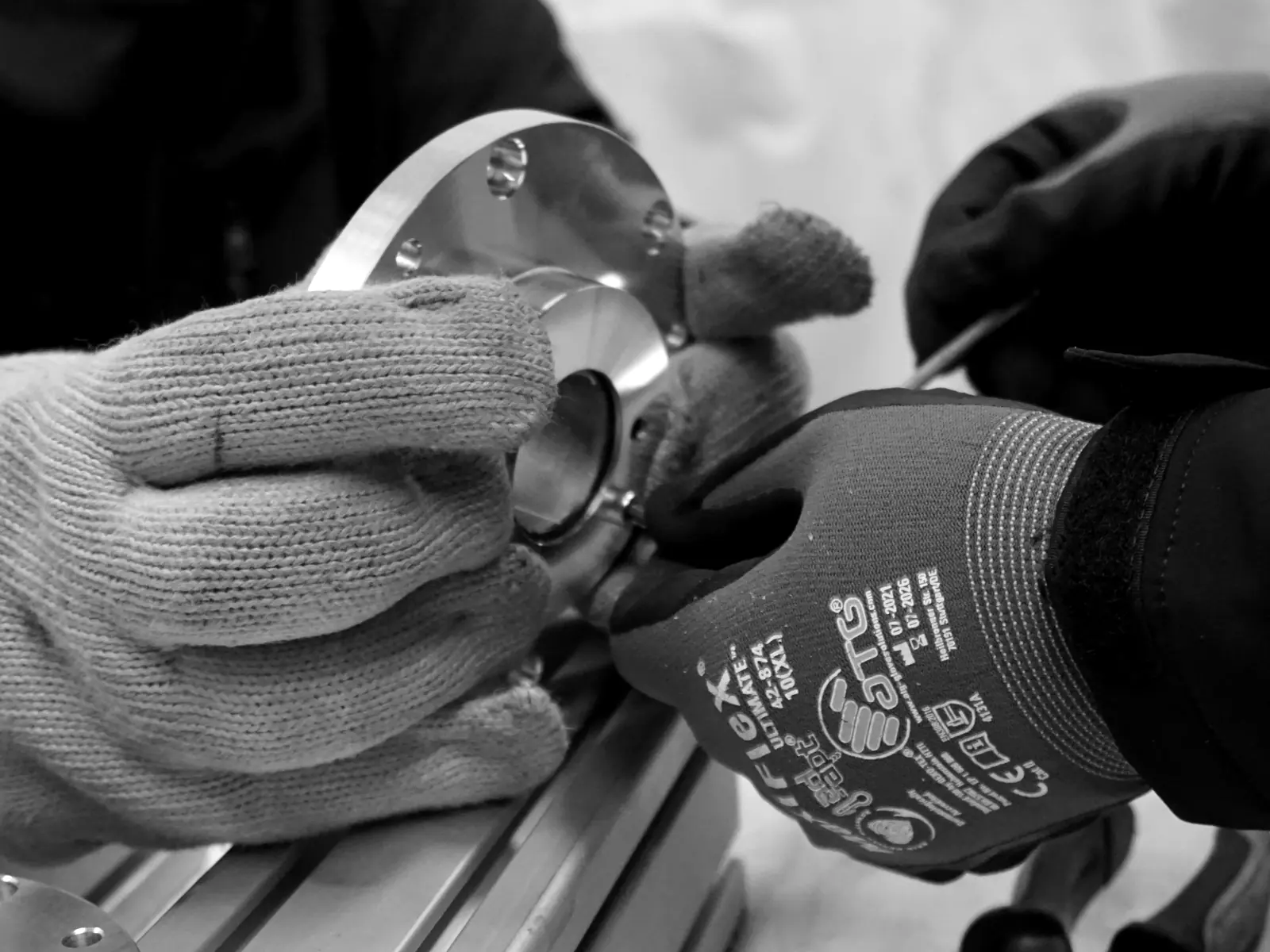
Project at a glance
| Project type: | Research and development |
|---|---|
| Subject: | laser-manufactured components for gas turbines |
| Process: | Laser powder bed |
| Partners: | Gas turbine manufacturers and additive manufacturing specialists |
| Funding: | three-year funded project within the HoMAS framework |
| Duration: | until 2022 |
| Implemented by: | pyropower group |
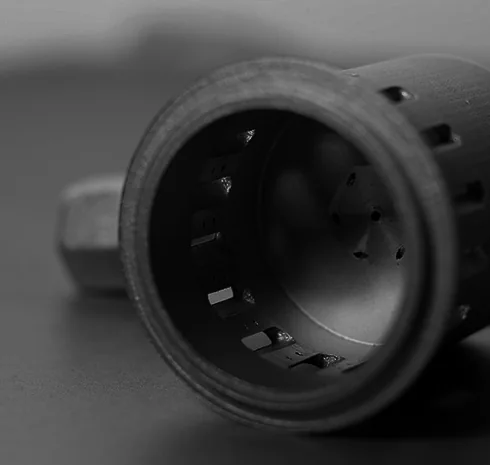
A joint specification for additively manufactured parts
Starting point
In the laser powder bed process, a component is built up layer by layer from metal powder. This makes it possible to produce internal channels and fine structures that are hardly possible with conventional processes. For gas turbines, this is of interest for cooling and weight.
Implementation
In the DaNiSh funded project, gas turbine components were developed using this process. The basis was a joint specification with gas turbine manufacturers, implemented together with additive manufacturing specialists.
Result
The project ran for three years within the HoMAS framework and ended in September 2022 with the final meeting.
From specification to component
A joint specification defines which temperatures, pressures, tolerances and surfaces a component must meet. For additively manufactured parts, there are additional requirements for powder, post-treatment and testing, because properties and defect patterns differ from cast or forged parts.
[ Knowledge ]
Nickel-based superalloys in the hot gas zone
- Microstructure: face-centred cubic γ matrix with coherent γ′ precipitates Ni₃(Al,Ti)
- Use: Combustion chamber, guide vanes and turbine wheels
- Oxidation protection: chromium and aluminium form dense oxide layers
- Additive: Alloy 625 and 718 are considered easy to process, alloys with a high γ′ content prone to cracking
Components in the hot gas zone of a gas turbine operate at temperatures at which most steels would long since have failed. Nickel-based superalloys are therefore often used for combustion chambers, guide vanes and turbine wheels. They owe their strength to fine, coherent precipitates of the γ′ phase Ni₃(Al,Ti) in a face-centred cubic nickel matrix. These particles hinder the movement of dislocations and make the material creep-resistant even close to its operating limit.
In the laser powder bed process, a laser melts the powder in tiny melt pools that solidify at cooling rates in the order of 10⁵ to 10⁶ kelvin per second. This produces a very fine microstructure, but also high residual stresses. Alloys with a high γ′ content tend to suffer hot cracking and solidification cracking. Easily weldable alloys such as Alloy 625 or Alloy 718 were therefore the first to become established in additive manufacturing.
Printing is usually followed by hot isostatic pressing, which closes residual pores, and heat treatment, which sets the desired precipitate structure. Only then do additively manufactured components achieve properties comparable to conventionally manufactured ones.
[ Technology ]
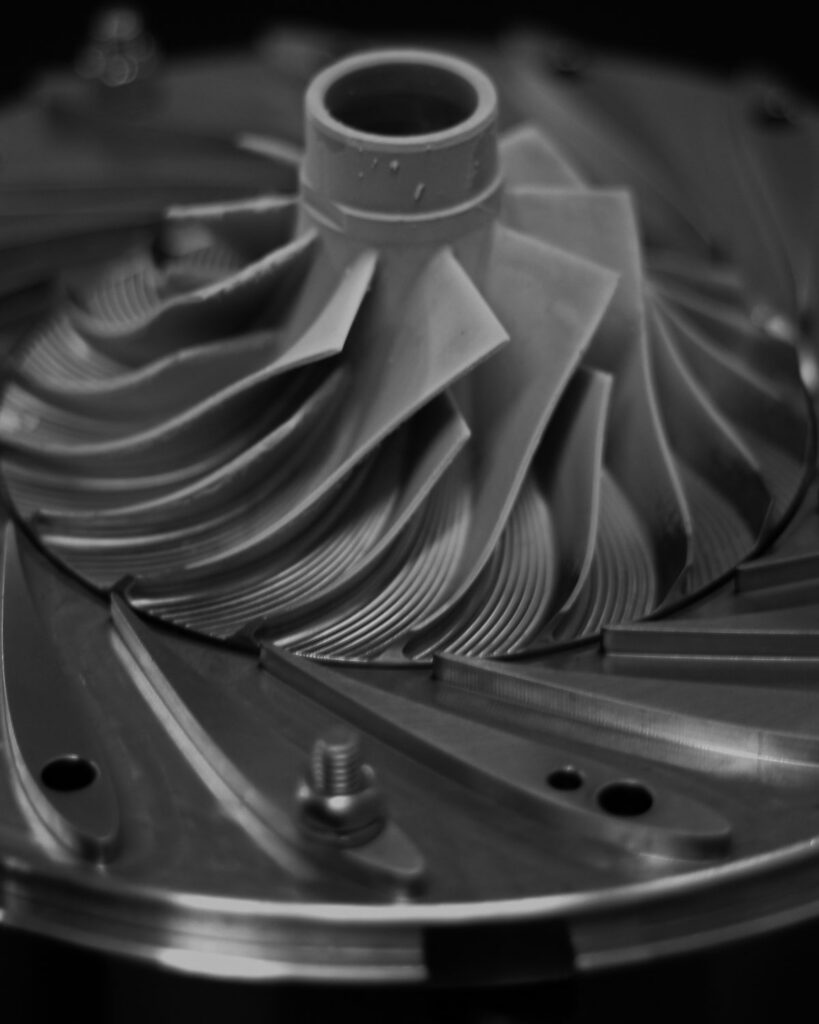
Externally fired micro gas turbine
Clean air instead of gas in the turbine and air bearings without oil: this is how the technology works that we have been developing within our group of companies for years.
[ References ]
Latest projects
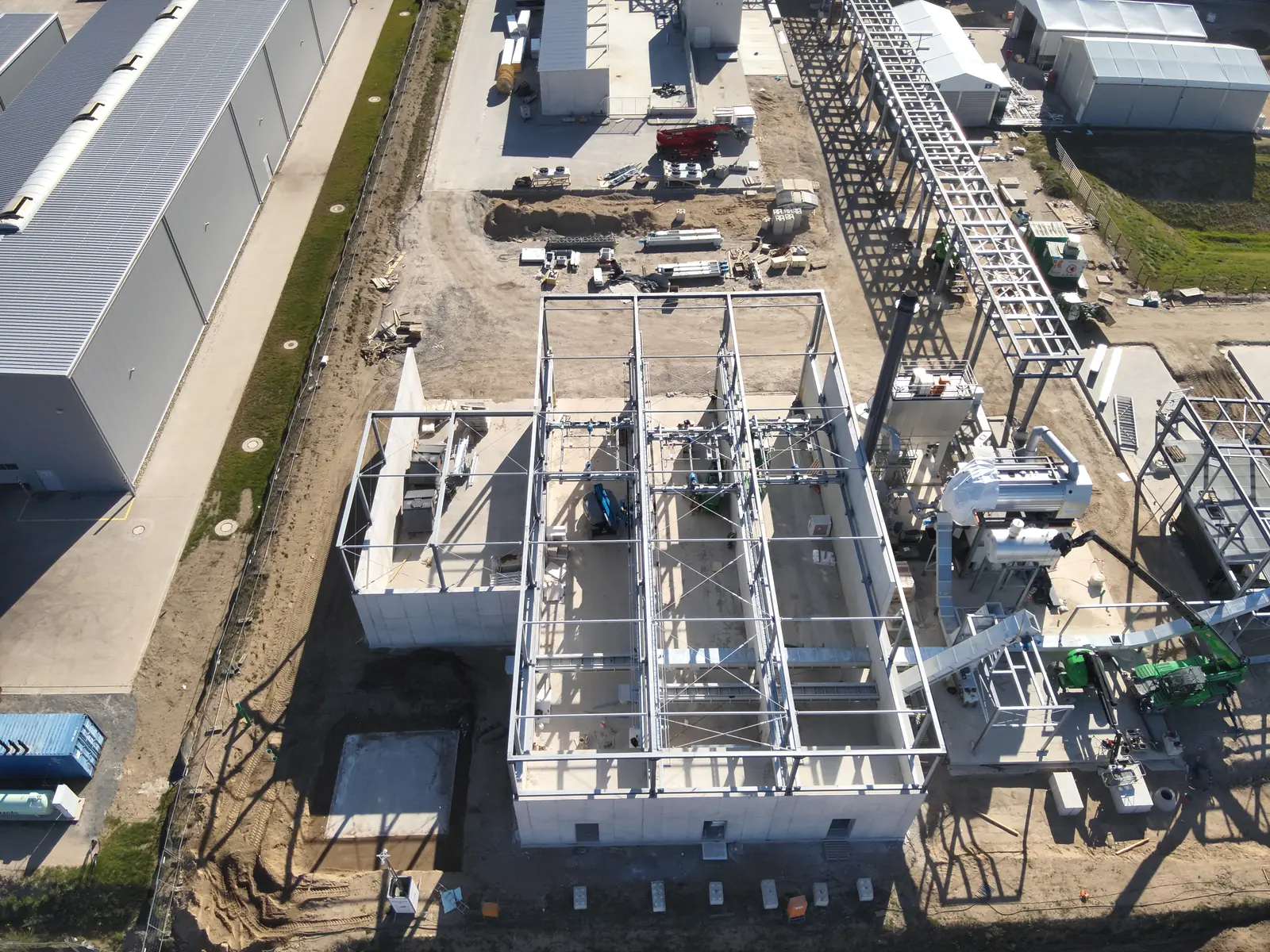
Biochar production at an industrial site in Mecklenburg-Western Pomerania
Three Pyro-ClinX 150 plants produce power, heat and biochar from industrial wood residues at an industrial site in Mecklenburg-Western Pomerania.

PyroPark Forst
PyroPark Forst is being developed in Lusatia as an integrated energy site that converts woody residues into electricity, usable heat, biochar and certified carbon removal.

ClinX Heat Power Generation from a Carbonization Plant in Darmstadt
ClinX Heat uses high-temperature energy from an existing carbonization plant to generate additional electricity on site.
 info@pyro-power.com
 +49 355 866 870 82
 pyropower GmbH