
Dunkelflaute or blackout? How businesses can prepare for a power emergency
19.11.2026
Dunkelflaute or blackout? How businesses can prepare for a power emergency
Dunkelflaute and blackout are often mentioned in the same breath, but they describe two different things. A dunkelflaute (German for “dark doldrums”) is a weather situation in which wind and sun deliver little electricity for days. For businesses, it is mainly a question of electricity prices, because other power plants, storage and imports cover demand during this time. A blackout, by contrast, is a large-scale failure of the power grid. Then it is not only machines that stop, but also pumps, heating, controls and communication.
This article explains both terms, assesses how likely they are in Germany and shows what businesses should prepare for 4, 24 and 72 hours without grid power.
Sebastian Kießling
Managing Director Technology, pyropower GmbH

Key facts
- A dunkelflaute is a weather situation with little wind and sun. It occurs mainly in winter and does not automatically lead to a power outage.
- It shows up in electricity prices: during the dunkelflauten in November and December 2024, the exchange price peaked at over €900/MWh, while supply remained secure.
- A blackout is a large-scale grid failure. In Germany it is rare: in 2024, unplanned interruptions averaged 11.7 minutes per end consumer.
- The blackout in Spain and Portugal on 28 April 2025 showed that large-scale outages are possible in Europe.
- Preparation is what counts: which processes must survive 4, 24 or 72 hours without grid power, and how does the restart work?
What is a dunkelflaute?
A dunkelflaute is a weather situation in which wind turbines and photovoltaic systems generate little electricity over several days. It is typical in winter, when a high-pressure system over Central Europe brings fog, low cloud and hardly any wind, and the days are short anyway.
How often this happens depends on the definition. An analysis by the Karlsruhe Institute of Technology for the years 1979 to 2018 finds on average about two dunkelflauten per winter, lasting between two and eight days. The German Weather Service (DWD) has analysed the typical weather pattern behind them, the Central European high, since the 1950s: it occurred on around eight days per year on average, with the longest spell lasting 23 days in the winter half-year 2011/12. The DWD sees no indication of an increase due to climate change.
What a dunkelflaute means for businesses
During a dunkelflaute, gas and coal power plants, biomass, hydropower, storage and electricity imports cover demand. It is felt mainly in the price. During the dunkelflauten from 5 to 7 November and on 11 and 12 December 2024, the exchange price rose to over €300/MWh, peaking at over €900/MWh. The Federal Network Agency and the Federal Cartel Office found no evidence of manipulation, and supply was secure.
For businesses that buy electricity at short notice or at exchange prices, a dunkelflaute is therefore a cost risk. It can be planned for: through the procurement strategy, flexible loads and on-site generation that runs independently of the weather.
What happens during a blackout?
A blackout is a large-scale and longer-lasting failure of the power supply. Unlike a local fault, entire regions go dark, and restoring the grid can take hours to days. Much more than electricity is affected: mobile networks and internet, filling stations, water supply, heating and payment systems all depend on the grid. The Office of Technology Assessment at the German Bundestag (TAB) has described these knock-on effects in detail in a study on a large-scale, long-lasting power outage.
In Germany, such events are rare. The Federal Network Agency reports an average unplanned interruption of 11.7 minutes per end consumer for 2024, after 12.8 minutes in 2023. Force majeure events are not included.
Events on 28 April 2025 showed that a large-scale outage is nevertheless possible in the interconnected European grid: Spain and Portugal were without power for many hours. The final report of the ENTSO-E expert panel from March 2026 describes an interplay of many factors, including oscillations in the grid, gaps in voltage control, and rapid output reductions and disconnections of generation units in Spain.
For businesses this means: a blackout is unlikely, but not impossible. Anyone operating processes in which an outage endangers equipment, products or animals should be prepared.
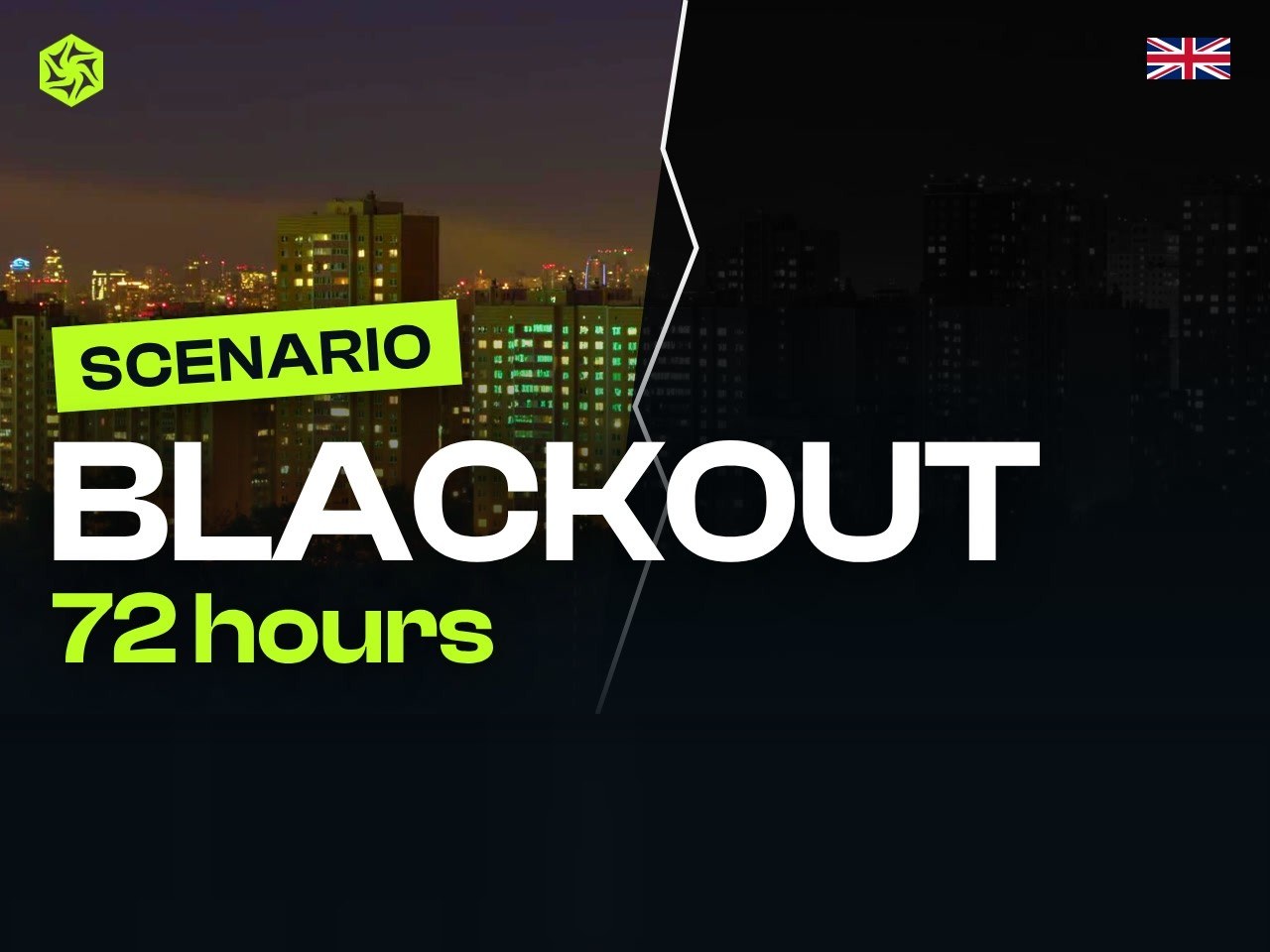
The scenario in the video: 72 hours without power
Our video shows what a large-scale outage could feel like. It is set on a fictional January evening at minus eight degrees in eastern Germany and follows four people: in a grid control room, on a dairy farm in the Prignitz region, in a glassworks in Lusatia and in a timber plant that generates its energy from its own wood residues. The scenario is fictional; the dependencies it describes are based on reports by the German Bundestag, the transmission system operators and ENTSO-E.
Clicking loads the video from YouTube. Data will be transferred to Google.
Checklist for 4, 24 and 72 hours without grid power
- Define critical processes: what must keep running, what may shut down in a controlled way, and where would equipment, products or animals be damaged?
- Check emergency power: know the output, runtime and fuel reserve of your standby generator and UPS, and test them regularly under load.
- Think about heat: burners, pumps and controls need electricity. If the grid fails, heat fails too in many businesses.
- Secure communication: how do you reach employees if mobile networks and internet are down?
- Plan the restart: in which order do systems start again, and who decides on site?
- Check on-site generation: it only helps during a grid outage if it is designed for island operation.
- Hedge the price risk: for dunkelflauten, procurement, flexible loads and your own base load are what count.
What the KRITIS umbrella act requires
With the KRITIS umbrella act (KRITIS-Dachgesetz), Germany has for the first time in 2026 a nationwide framework for the physical protection of critical infrastructure. The Bundesrat approved it on 6 March 2026. It covers operators of critical facilities in sectors such as energy, water, food or health, generally from a supply level of 500,000 people. They must register and then prepare a risk assessment and a resilience plan.
Even businesses that are not covered by the act can follow this structure: identify risks, define measures, practise regularly.
What on-site generation can do
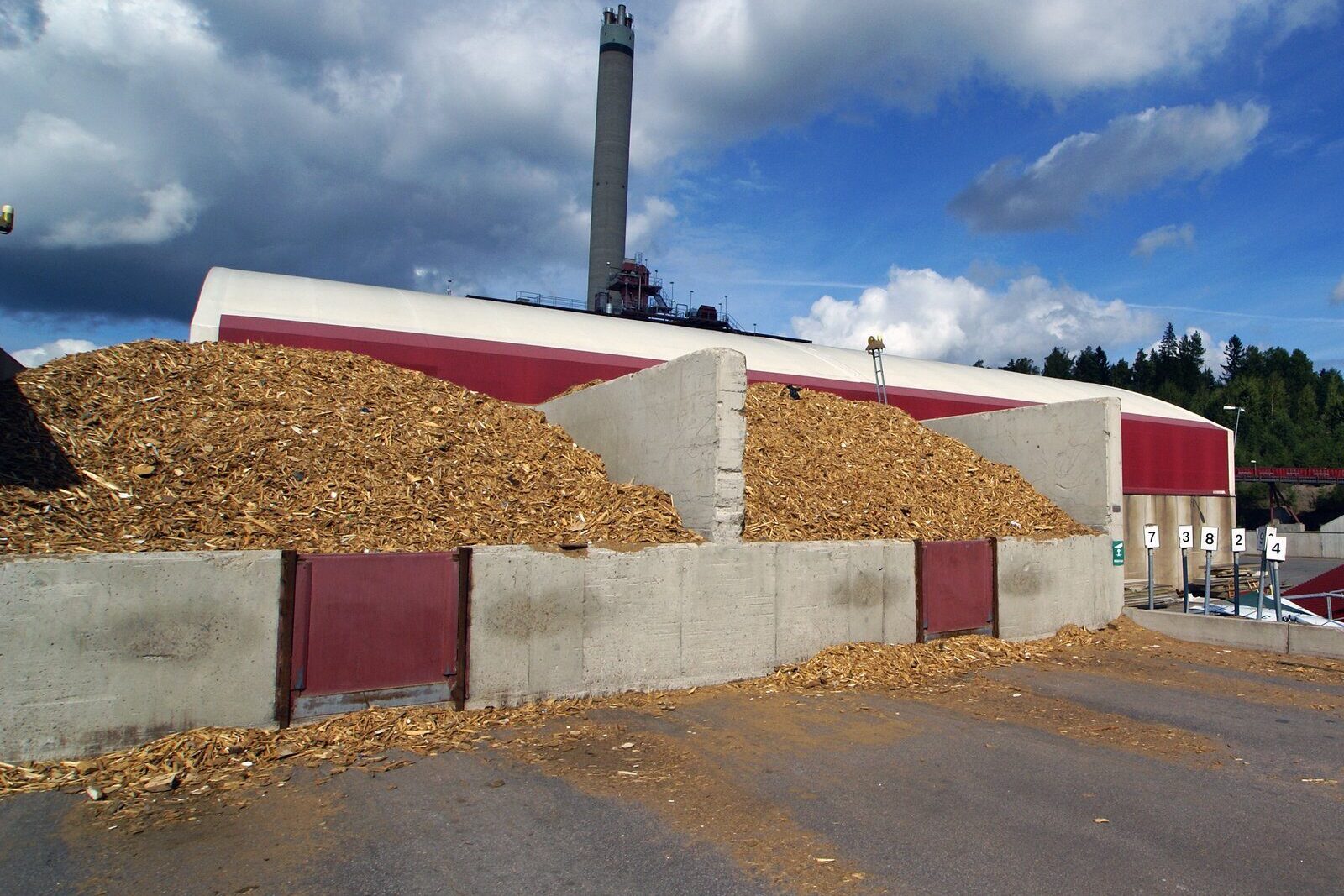
On-site generation makes businesses less dependent on the grid and on electricity prices. During dunkelflauten, it mainly affects costs: every kilowatt hour you generate yourself does not have to be bought at peak prices. Plants that supply base load independently of the weather are particularly effective, such as combined heat and power units or pyrolysis CHP running on your own residues.
During a blackout, the situation is different. Generation units usually disconnect from the grid for safety reasons when it fails. Whether a plant can continue to supply the site in island operation depends on its design: on protection technology and grid disconnection, on the ability to start without the grid, and on a load that matches its output. This has to be planned for each site individually.
Our Pyro-ClinX generates electricity, heat and biochar from woody residues and is designed for around 8,000 operating hours per year. For businesses with their own wood residues, it is a predictable base load whose fuel is on their own premises. We clarify how it fits into an energy security concept in the energy security check.
How we support you
In the energy security check, we work with you to determine which processes at your site must survive 4, 24 or 72 hours without grid power, where your risks lie and which measures pay off. The result is technology-neutral: sometimes better emergency power planning is enough, sometimes on-site generation is the right way. Find out more on our energy security page.
Conclusion
Dunkelflaute and blackout are two different risks. The dunkelflaute comes regularly and affects businesses mainly through electricity prices. A blackout is rare but would have far-reaching consequences. If you know your critical processes, plan emergency power and restart, and use on-site generation in a targeted way, you are prepared for both.
Frequently asked questions
Does a dunkelflaute lead to a blackout?
Not automatically. During a dunkelflaute, other power plants, storage and imports cover demand; it is felt mainly in electricity prices. A blackout is caused by disturbances in the grid itself, for example in voltage or frequency.
How often do dunkelflauten occur in Germany?
That depends on the definition. An analysis by KIT for 1979 to 2018 finds on average about two dunkelflauten per winter, lasting two to eight days. The German Weather Service sees no indication of an increase.
How likely is a blackout in Germany?
Low. In 2024, unplanned interruptions averaged 11.7 minutes per end consumer. However, a large-scale outage cannot be ruled out, as the blackout in Spain and Portugal in April 2025 showed.
Is a standby generator enough?
For short outages often yes, provided output, fuel reserve and maintenance are right. For 24 or 72 hours, fuel resupply, heat supply and a planned restart also matter.
Does an on-site generation plant keep running during a grid failure?
Only if it is designed for it. Most plants disconnect from the grid for safety reasons when it fails. Whether and how island operation is possible must be planned for each site.
What does a dunkelflaute cost a business?
That depends on your procurement. If you buy at fixed prices, you will notice little in the short term. If you buy electricity at exchange prices, you pay a multiple of the usual price in such hours, with peaks of over €900/MWh in December 2024.
- Energy security for your site
- Energy Security for Production Sites: Which Technologies Enable a Stable Supply
- Energy supply for hospitals and care homes: base-load heat from wood residues
- Decentralized Energy Supply: Energy Independence for Industry and Municipalities
You can find more videos and insights on our YouTube channel and on Instagram.
Sources
- Karlsruhe Institute of Technology: Using weather regimes to better predict Dunkelflauten in Germany
- German Weather Service (DWD), analysis of the Central European high, reported by ZfK (in German)
- Price peaks during the 2024 dunkelflauten and review by the Federal Network Agency and the Federal Cartel Office, reported by top agrar (in German)
- Federal Network Agency: Power supply interruptions 2024 (in German)
- ENTSO-E: Final report on the blackout of 28 April 2025
- Office of Technology Assessment at the German Bundestag (TAB): Hazards and vulnerability of modern societies, using the example of a large-scale, long-lasting power outage
- KRITIS umbrella act, overview by GÖRG (in German)
Download
Energy Security brochure
Check and in-depth analysis at a glance: process, data required, result (PDF).
Download brochure (PDF)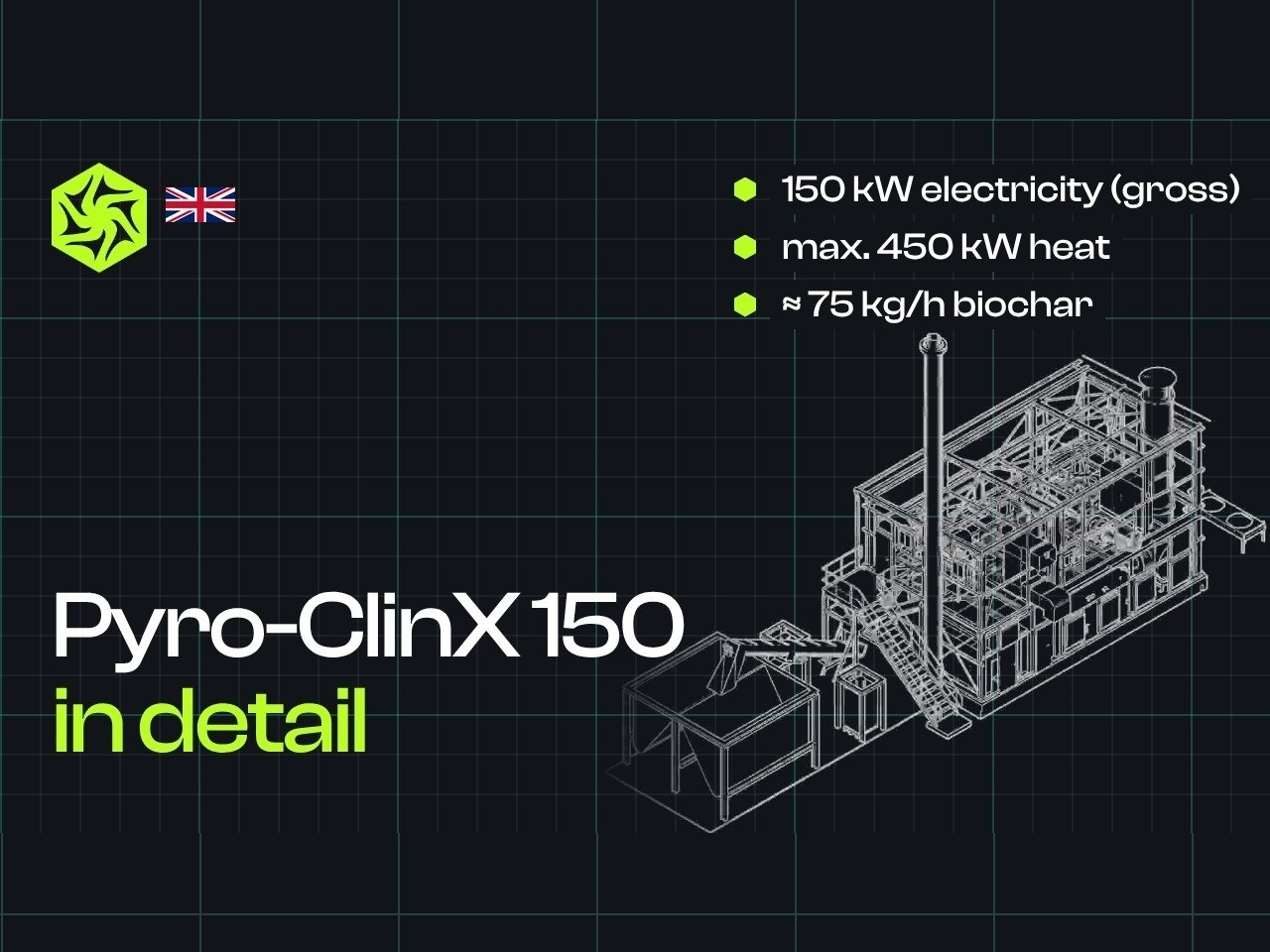
 info@pyro-power.com
 +49 355 866 870 82
 pyropower GmbH