
Energy from biogenic residues: pre-project in Indonesia
Demand, fuels and plant concepts for an energy company
Project at a glance
| Project type: | Engineering |
|---|---|
| Client: | Energy company |
| Location: | Indonesia |
| Our scope: | Pre-project phase |
| Scope: | Demand, possible fuels, plant concepts and local framework conditions |
| Implemented by: | ClinX Energy Systems GmbH, pyropower group |
International project development
Starting point
Southeast Asia has large quantities of biogenic residues. An energy company in Indonesia wanted to examine how its own energy project could be developed from them.
Implementation
The company commissioned ClinX Energy Systems with a pre-project. It examined demand and possible fuels, suitable plant concepts and the local framework conditions.
Result
The pre-project provided the client with the basis for further planning.
Decentralised across many islands
Indonesia consists of thousands of islands, many of them with their own small power grids. Where diesel generators often run today, plants that use residues from agriculture and forestry on site can be an alternative.
[ Knowledge ]
Biogenic residues in Southeast Asia: properties as fuel
- Palm kernel shells: comparatively dry, solid and easy to store
- Empty oil palm fruit bunches: very moist, rich in potassium, prone to ash melting
- Rice husks: high ash content, mainly silicon dioxide
- Coconut shells: dense and rich in carbon, well suited to biochar production
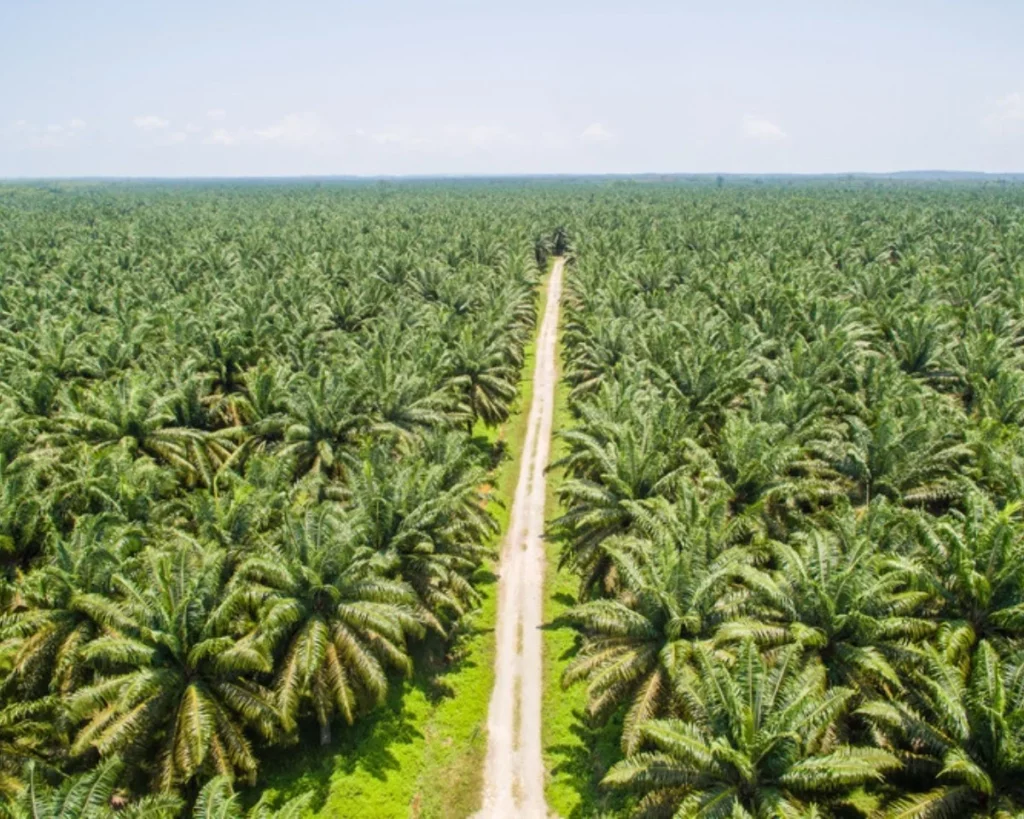
Indonesia is the world’s largest palm oil producer and also a major producer of rice and coconuts. Accordingly, large quantities of residues are generated: palm kernel shells, empty fruit bunches and fibres from the oil mills, rice husks from the rice mills, and coconut shells and fibres. The quantities are large, but their properties as fuel vary widely.
Palm kernel shells are comparatively dry, have a high calorific value and are easy to store and transport. The empty fruit bunches of the oil palm, on the other hand, contain a lot of water and potassium. Potassium lowers the melting point of the ash, which can lead to slagging and deposits on heat exchanger surfaces. Rice husks often have an ash content of more than 15 percent, which consists almost entirely of silicon dioxide.
For the design of a plant, this means that the moisture content, ash content and ash melting behaviour of the fuel determine drying, firing and maintenance intervals. A fuel analysis is therefore the first step of every pre-project.
[ Technology ]
Engineering and concepts
From the pre-project phase through concept and economic viability to detailed engineering: we design energy plants for residues, process heat and heating networks.
[ References ]
Latest projects
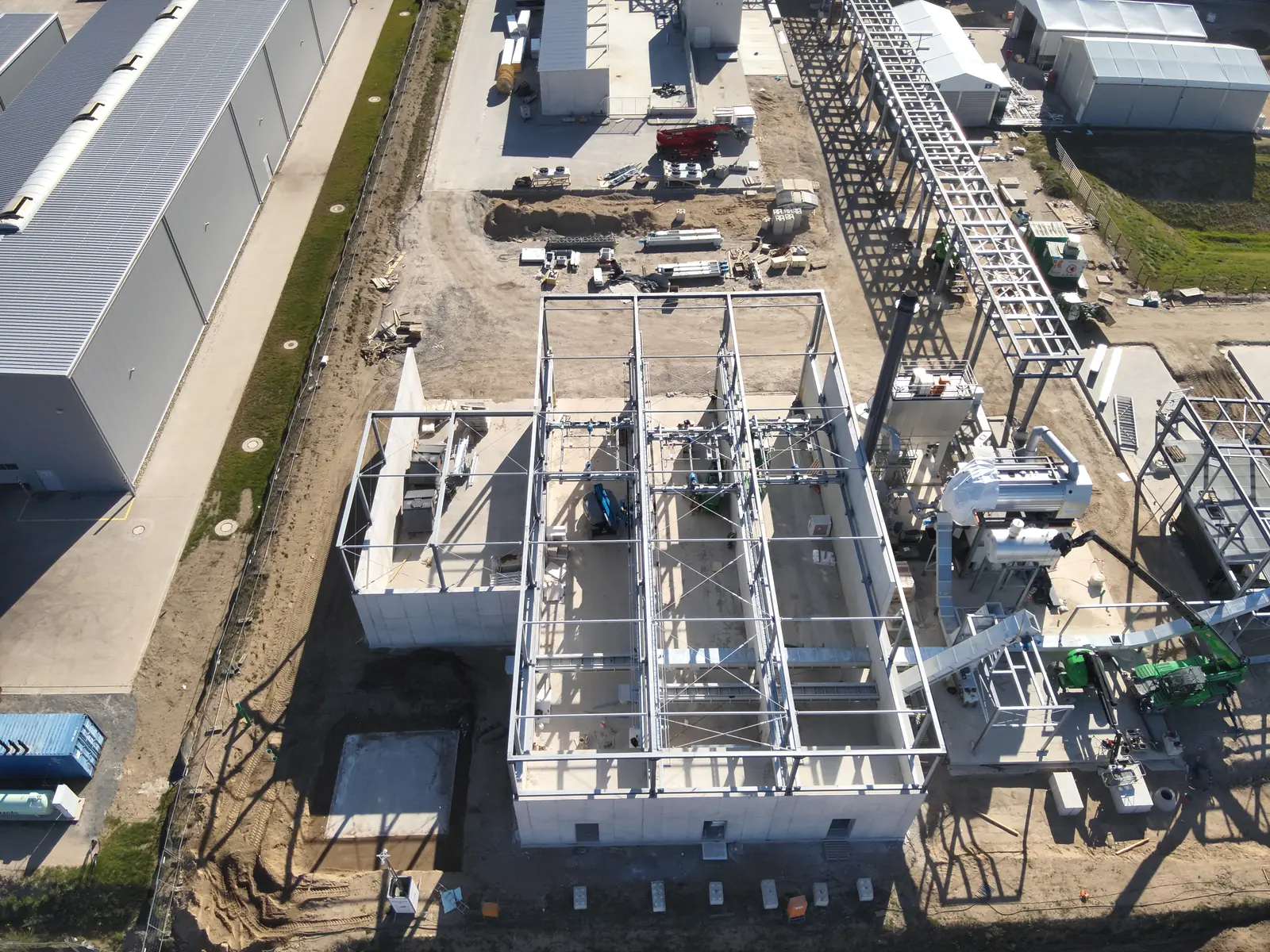
Biochar production at an industrial site in Mecklenburg-Western Pomerania
Three Pyro-ClinX 150 plants produce power, heat and biochar from industrial wood residues at an industrial site in Mecklenburg-Western Pomerania.

PyroPark Forst
PyroPark Forst is being developed in Lusatia as an integrated energy site that converts woody residues into electricity, usable heat, biochar and certified carbon removal.

ClinX Heat Power Generation from a Carbonization Plant in Darmstadt
ClinX Heat uses high-temperature energy from an existing carbonization plant to generate additional electricity on site.
 info@pyro-power.com
 +49 355 866 870 82
 pyropower GmbH