
Hydrogen burner: manufacturing and test campaign across the entire load range
Version 3 for an industrial customer
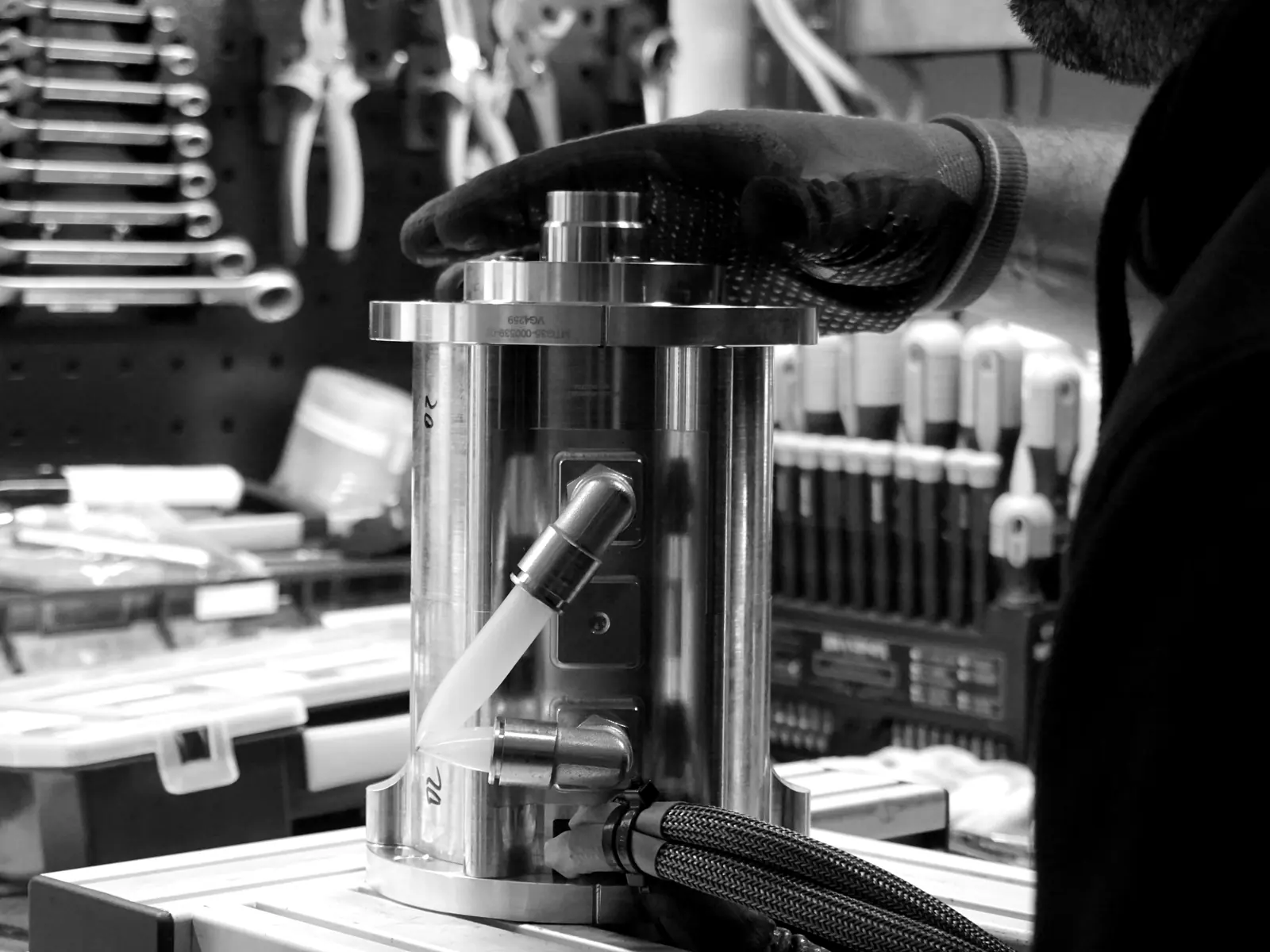
Project at a glance
| Project type: | Research and development |
|---|---|
| Subject: | Hydrogen burner, version 3 |
| Client: | Industrial customer |
| Our scope: | Manufacturing and test campaign |
| Test programme: | ignition, part load, full load, lean blowout limit |
| Implemented by: | pyropower group |
From component to test campaign
Starting point
Hydrogen burns faster and hotter than natural gas. A burner therefore has to hold a stable flame without flashback, across the entire load range. It becomes particularly demanding with a lean mixture, i.e. with a large excess of air.
Implementation
The third version of a hydrogen burner was manufactured for an industrial customer. The order includes a test campaign with four focal points: reliable ignition, behaviour at part load, operation at full load and the limit at which the lean flame goes out.
Result
The test campaign provides the data on which the next development steps of the burner are based.
Experience from the micro gas turbine
The knowledge for this order comes from work on hydrogen combustion in micro gas turbines.
[ Knowledge ]
Hydrogen in the burner: flashback and nitrogen oxides
- Laminar flame speed: around 2 to 3 m/s for hydrogen in air, around 0.4 m/s for methane
- Flammability limits: about 4 to 75 percent hydrogen by volume in air, about 5 to 15 for methane
- Adiabatic flame temperature: stoichiometric around 2,100 °C for hydrogen, around 1,950 °C for methane
- Lean blowout limit: excess air at which the flame goes out (lean blowout)
As a fuel, hydrogen differs significantly from natural gas. Its laminar flame speed is many times higher, the flammability range is very wide and the ignition energy required is low. For a burner, this means that the flame tends to move against the flow into the mixing zone. This flashback can thermally overload components and is the central design problem in premixed hydrogen combustion.
At the same time, hydrogen burns hotter. Because thermal nitrogen oxide formation according to the Zeldovich mechanism rises sharply with flame temperature, modern burners work with a lean mixture and avoid local temperature peaks. Hydrogen allows considerably leaner mixtures than natural gas before the flame goes out.
Ignition, part load, full load and lean blowout limit together describe the stable operating window of a burner. Only when this is secured across the entire load range can a burner be used reliably in an application.
[ Technology ]
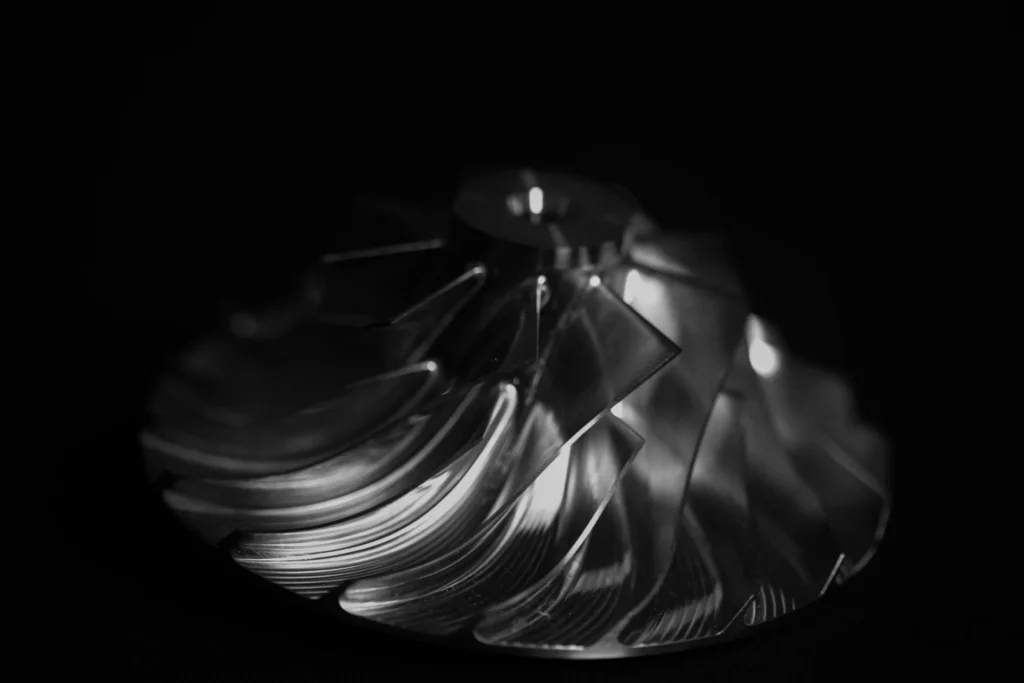
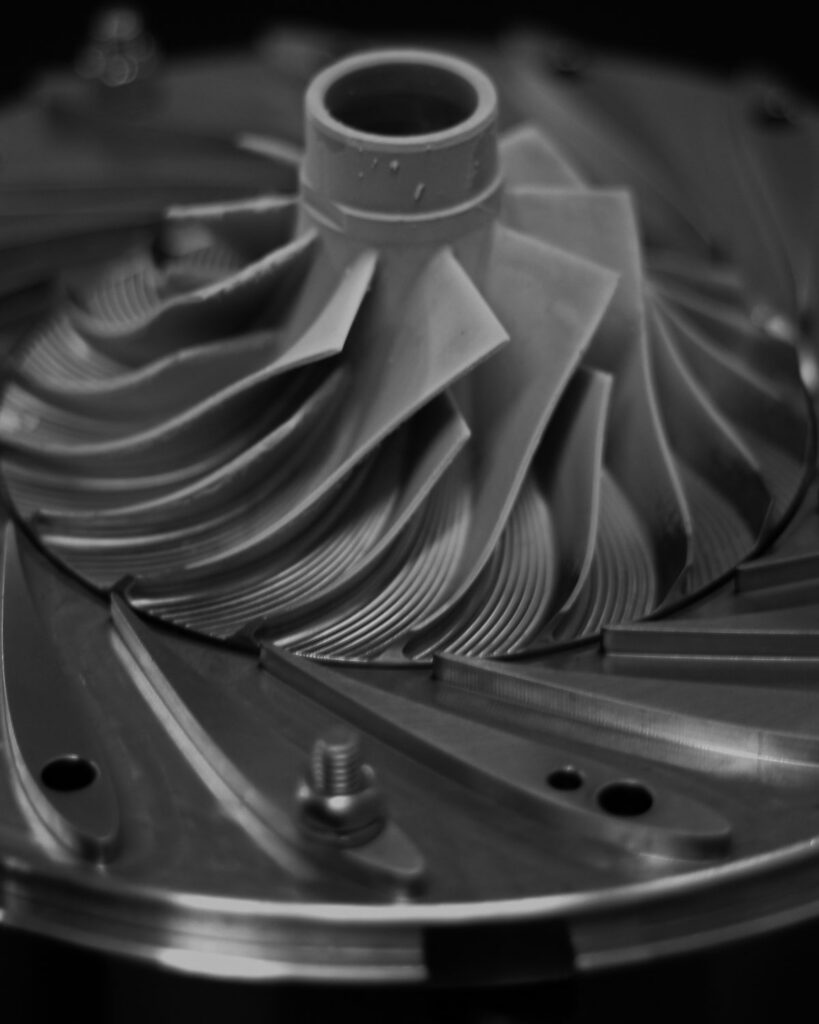
Externally fired micro gas turbine
Clean air instead of gas in the turbine and air bearings without oil: this is how the technology works that we have been developing within our group of companies for years.
[ References ]
Latest projects
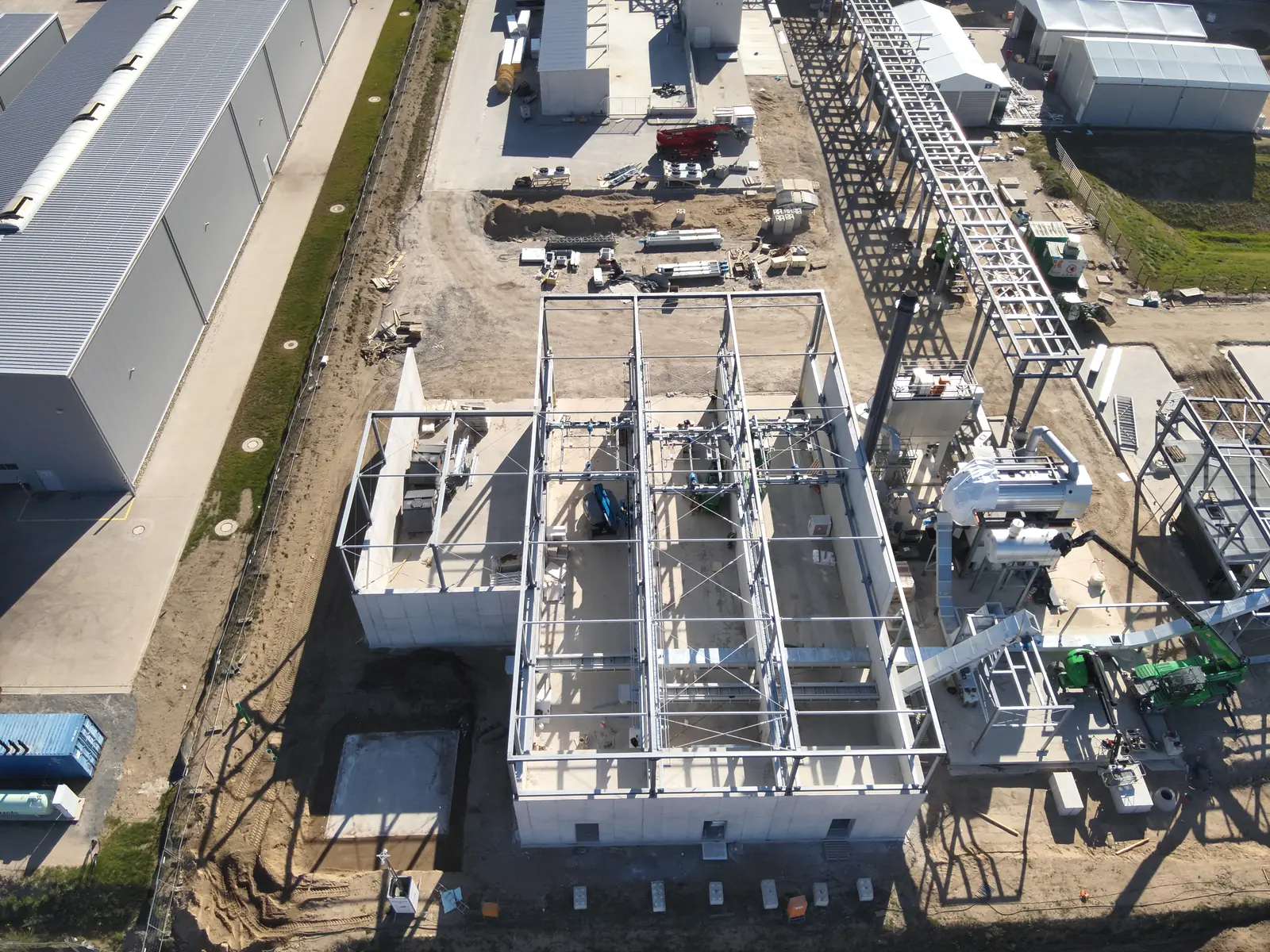
Biochar production at an industrial site in Mecklenburg-Western Pomerania
Three Pyro-ClinX 150 plants produce power, heat and biochar from industrial wood residues at an industrial site in Mecklenburg-Western Pomerania.

PyroPark Forst
PyroPark Forst is being developed in Lusatia as an integrated energy site that converts woody residues into electricity, usable heat, biochar and certified carbon removal.

ClinX Heat Power Generation from a Carbonization Plant in Darmstadt
ClinX Heat uses high-temperature energy from an existing carbonization plant to generate additional electricity on site.
 info@pyro-power.com
 +49 355 866 870 82
 pyropower GmbH