
Hydrogen in the micro gas turbine: from combustion concept to real-world testing
Funded by the German Federal Ministry for Economic Affairs and Energy
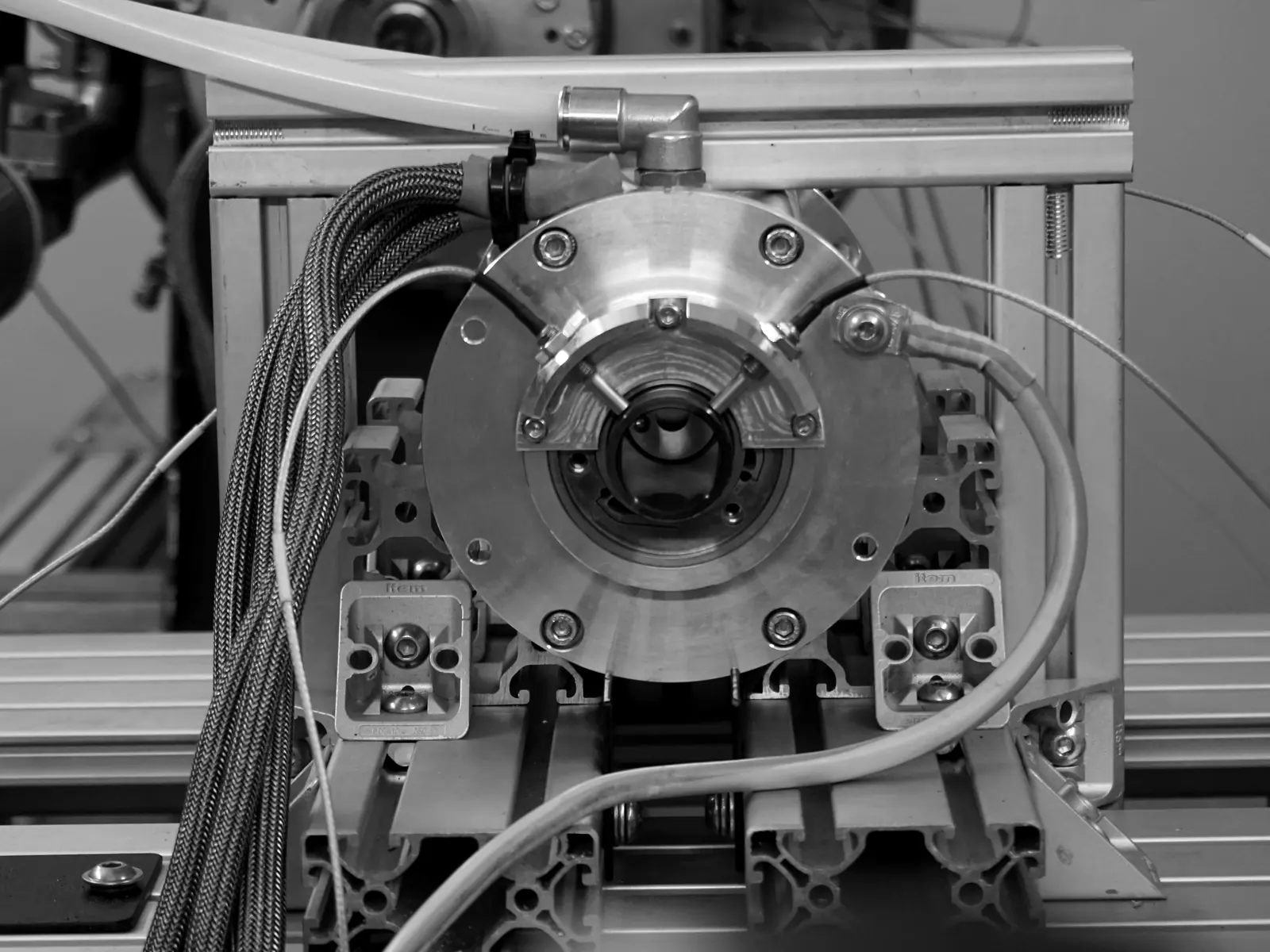
Project at a glance
| Project type: | Research and development |
|---|---|
| Subject: | Hydrogen combustion in micro gas turbines |
| Sub-project: | Validation in real-world testing |
| Funding: | German Federal Ministry for Economic Affairs and Energy |
| Duration: | 2020 to 2023 |
| Implemented by: | pyropower group |
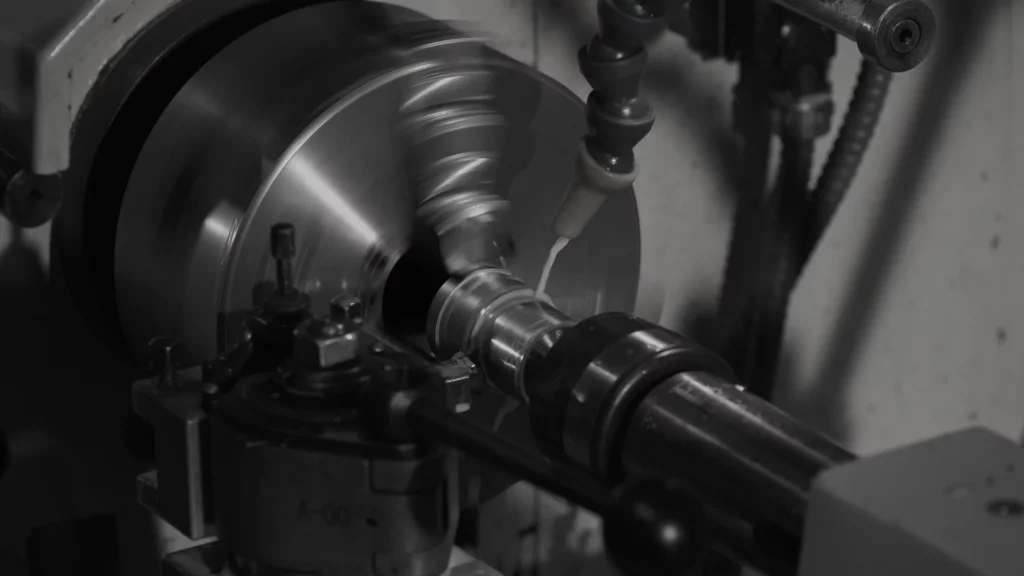
From combustion concept to real-world testing
Starting point
Hydrogen burns faster and hotter than natural gas. Combustion chambers therefore have to be adapted so that the flame remains stable and the components are protected.
Implementation
The H2mGT funded project investigated how hydrogen can be burned in micro gas turbines. The group of companies’ sub-project focused on validation in real-world testing, i.e. the step from calculation to testing on the real machine.
Result
H2mGT was funded by the German Federal Ministry for Economic Affairs and Energy and ran from October 2020 to September 2023. The experience now feeds into projects such as the hydrogen burner.
From the laboratory to the machine
Calculations and combustion chamber tests in the laboratory show whether a concept works in principle. However, compressor, combustion chamber, turbine and control only interact on the complete turbine, with real pressure ratios, load changes and start-up processes.
[ Knowledge ]
Hydrogen as a turbine fuel: calorific value, Wobbe index, combustion chamber
- Calorific value per kg: around 120 MJ, about 2.4 times as much as methane
- Calorific value per m³: around 10.8 MJ at standard conditions, about one third of methane
- Wobbe index: around 48 MJ/m³ for hydrogen, around 53 MJ/m³ for methane, each based on the gross calorific value
- Laminar flame speed: many times higher for hydrogen than for methane
Hydrogen has the highest calorific value per kilogram of all fuels, but per cubic metre only around a third of the calorific value of methane. For the same output, about three times the volume therefore has to flow through pipes and nozzles.
The Wobbe index is decisive for the interchangeability of fuel gases: the gross calorific value divided by the square root of the relative density. It describes the heat output that flows through a nozzle at the same pressure. Because hydrogen is very light, its Wobbe index is close to that of methane despite its low volumetric calorific value. The real challenge therefore lies less in the gas quantity than in the combustion behaviour.
Hydrogen ignites easily and burns with a high flame speed. In premixed combustion chambers there is therefore a risk of flashback, while in diffusion flames high local temperatures produce more nitrogen oxides. Newer concepts distribute combustion over many very small flames, for example according to the micromix principle, to control both problems at the same time.
[ Technology ]
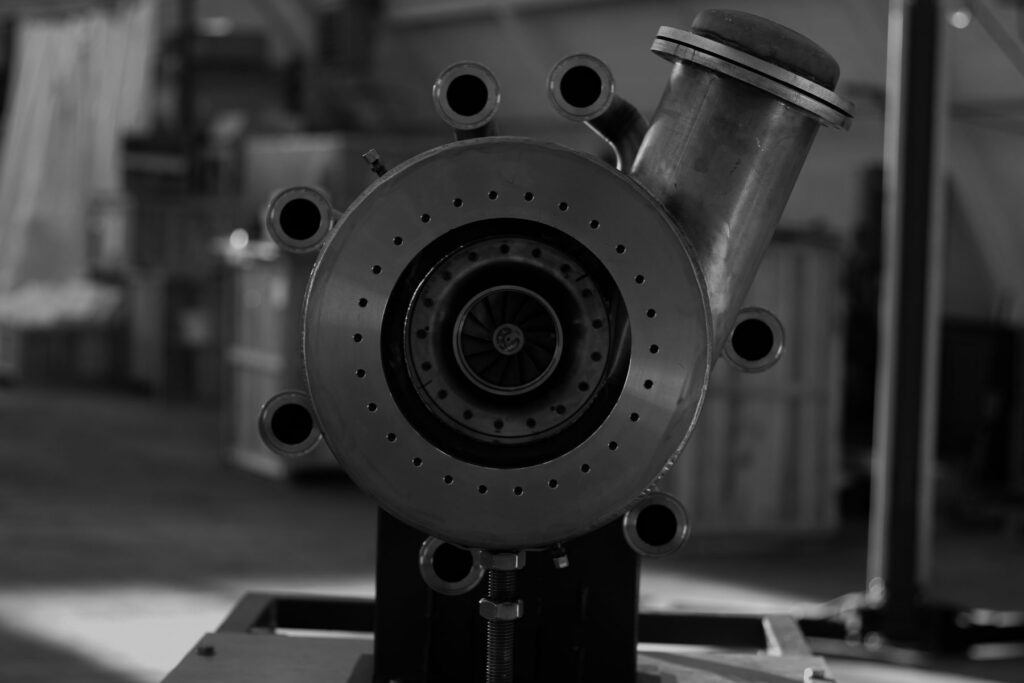
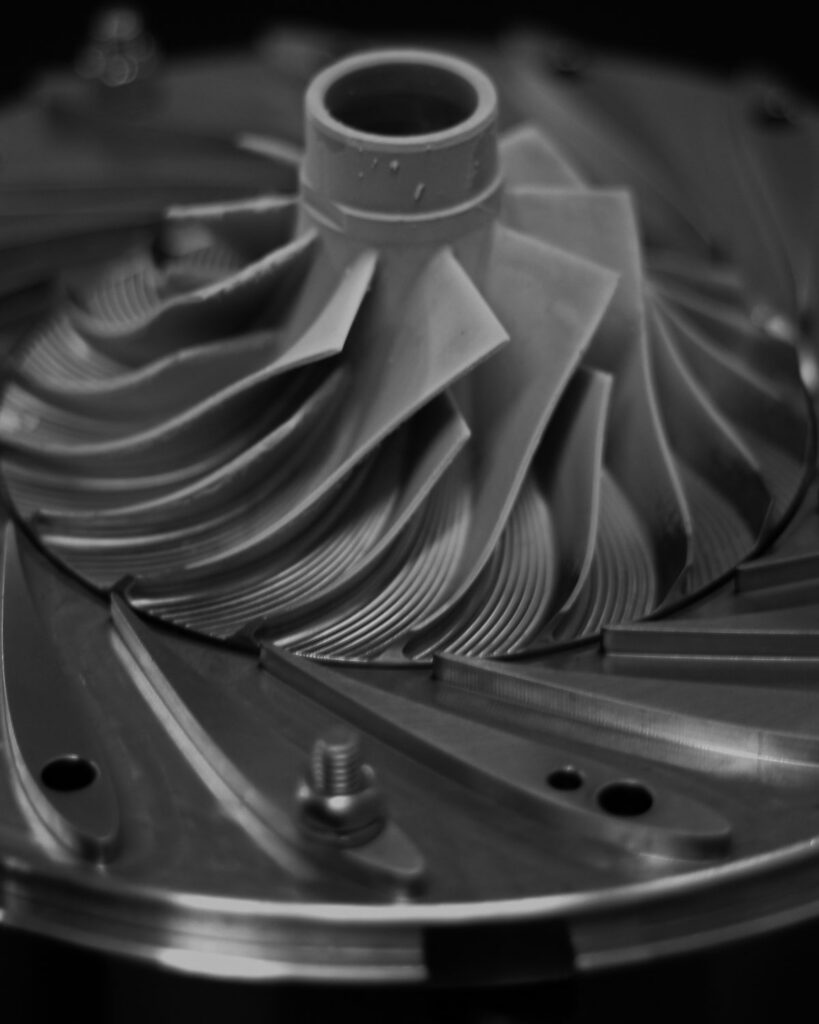
Externally fired micro gas turbine
Clean air instead of gas in the turbine and air bearings without oil: this is how the technology works that we have been developing within our group of companies for years.
[ References ]
Latest projects
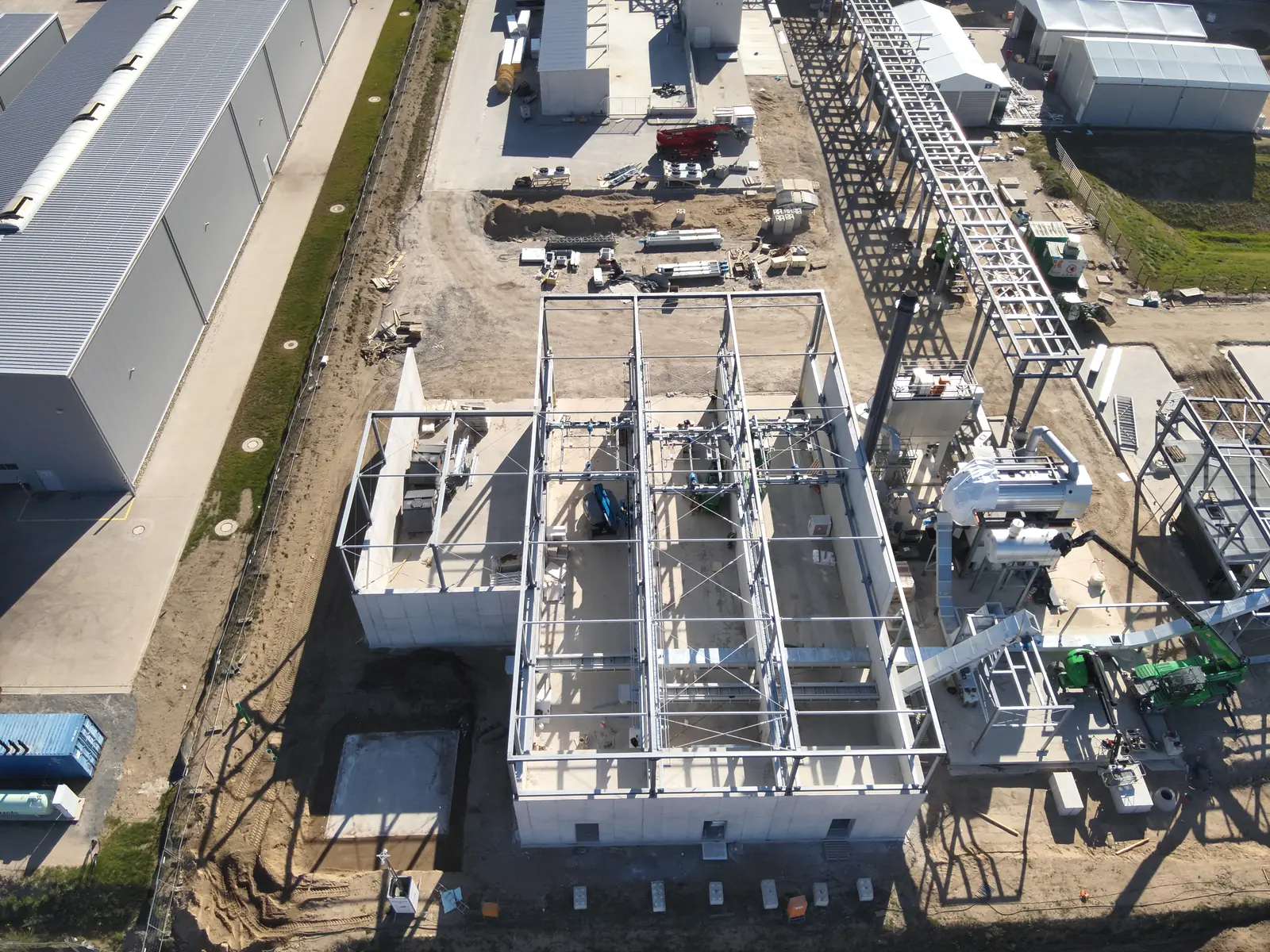
Biochar production at an industrial site in Mecklenburg-Western Pomerania
Three Pyro-ClinX 150 plants produce power, heat and biochar from industrial wood residues at an industrial site in Mecklenburg-Western Pomerania.

PyroPark Forst
PyroPark Forst is being developed in Lusatia as an integrated energy site that converts woody residues into electricity, usable heat, biochar and certified carbon removal.

ClinX Heat Power Generation from a Carbonization Plant in Darmstadt
ClinX Heat uses high-temperature energy from an existing carbonization plant to generate additional electricity on site.
 info@pyro-power.com
 +49 355 866 870 82
 pyropower GmbH