
Heat and biochar from wood chips for a production site
Concept for around 600 kW of heat and 515 t of biochar per year

Project at a glance
| Project type: | Energy concept |
|---|---|
| Client: | Social enterprise with workshops and production |
| Location: | Eastern Saxony |
| Fuel: | Wood chips, approx. 280 kg per hour |
| Heat: | approx. 600 kW rated thermal output |
| Biochar: | around 515 t per year at up to 8,000 operating hours |
| Heat consumers: | Greenhouse, firewood and sawn timber drying, other production processes |
| Implemented by: | pyropower GmbH |
A heat concept for the entire site
Starting point
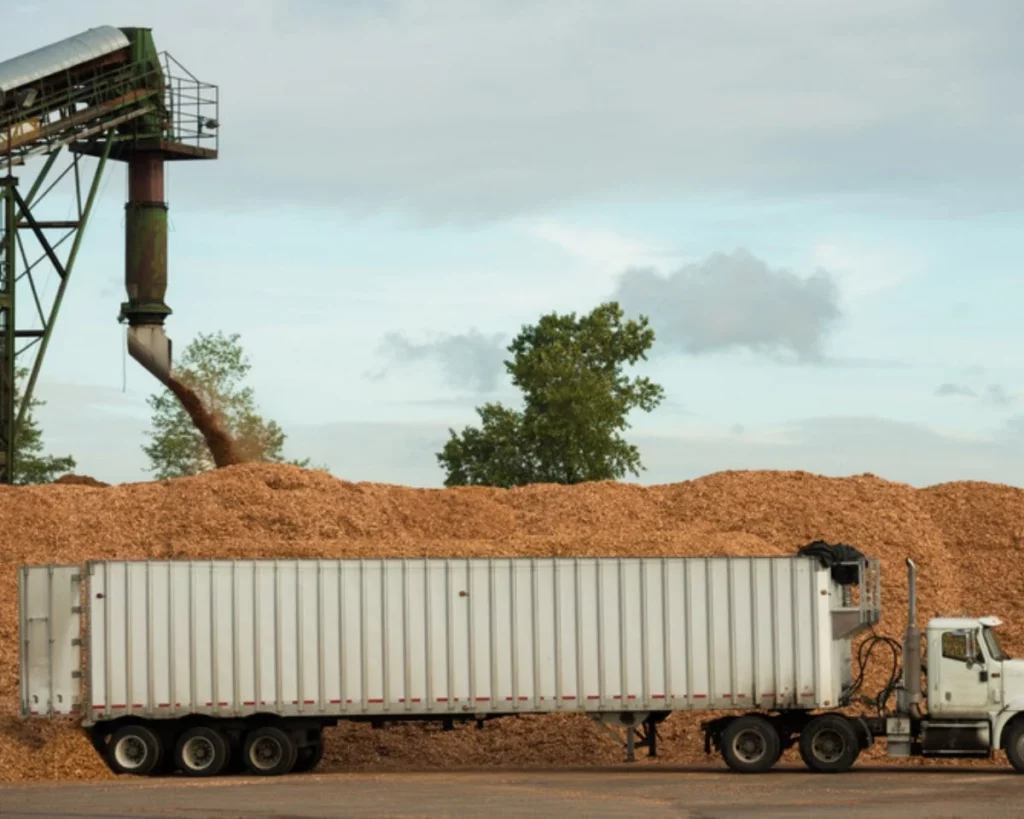
Wood chips are produced on site, and at the same time several areas need heat: a greenhouse, firewood and sawn timber drying and other production processes. The aim was a concept that makes good use of the available fuel and supplies the different heat demands together.
Implementation
pyropower brought together the available input materials, the energy situation of the business and the requirements of the individual heat consumers. On this basis, a preliminary design was drawn up for a pyrolysis system with around 600 kW rated thermal output and a throughput of about 280 kg of wood chips per hour.
Result
At up to 8,000 operating hours a year, this results in a potential of around 515 tonnes of biochar annually in addition to the heat. The concept shows how residue utilisation, decentralised heat supply and biochar production come together in one energy system.
The site as a whole
The decisive factor was not the assessment of a single plant, but the technical and economic match with the entire site. An energy concept like this is often the first step before decisions are made on plant size and investment.
[ Knowledge ]
Load profile and base load: the basis of every heat concept
- Load profile: how heat demand develops over the day and the year
- Annual load duration curve: the 8,760 hours of a year, sorted by the output required
- Base load: output that is needed almost all year round
Every energy concept is based on heat demand, not just as an annual total but over time. This load profile shows when which output is needed: a greenhouse needs heat mainly in the cold season and at night, while timber drying often runs more evenly throughout the year.
If you sort the hours of a year by the output required, you get the annual load duration curve. It shows which output is needed almost continuously as base load. A pyrolysis plant that produces biochar as well as heat is designed for many operating hours. It therefore usually covers the base load, while peaks are handled by a boiler or a heat storage tank.
Several consumers at one site have an advantage: their demands often complement each other. The base load rises, and the plant runs at a more even load.
 From the blogSeven criteria for choosing a pyrolysis plantRead more ›
[ Technology ]
Engineering and concepts
From the pre-project phase through concept and economic viability to detailed engineering: we design energy plants for residues, process heat and heating networks.
[ References ]
Latest projects
Biochar production at an industrial site in Mecklenburg-Western Pomerania
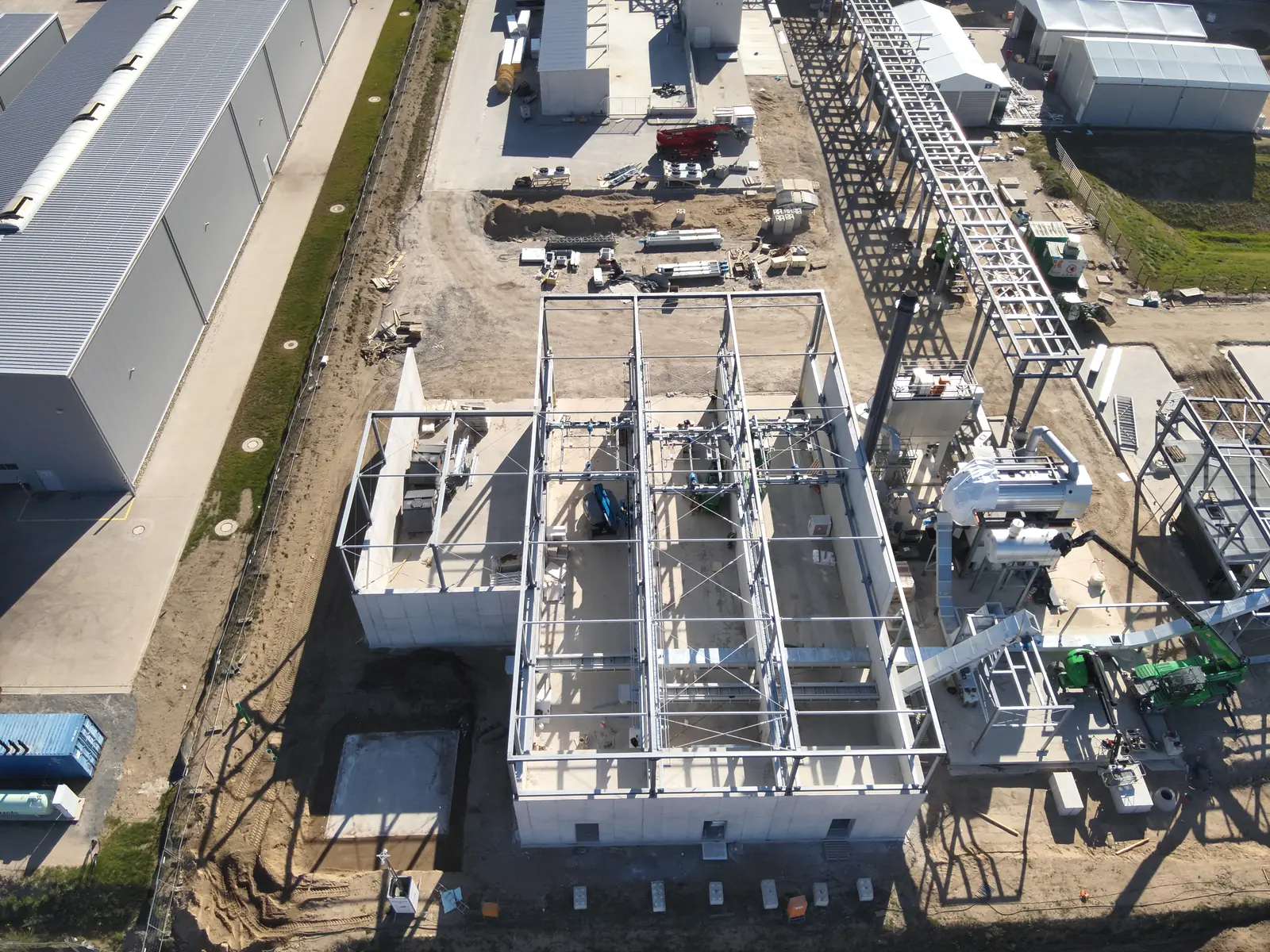
Three Pyro-ClinX 150 plants produce power, heat and biochar from industrial wood residues at an industrial site in Mecklenburg-Western Pomerania.

PyroPark Forst
PyroPark Forst is being developed in Lusatia as an integrated energy site that converts woody residues into electricity, usable heat, biochar and certified carbon removal.

ClinX Heat Power Generation from a Carbonization Plant in Darmstadt
ClinX Heat uses high-temperature energy from an existing carbonization plant to generate additional electricity on site.
 info@pyro-power.com
 +49 355 866 870 82
 pyropower GmbH