
Power for the grid and heat for drying
ClinX 150 in the canton of Lucerne, implemented with Swiss ClinX
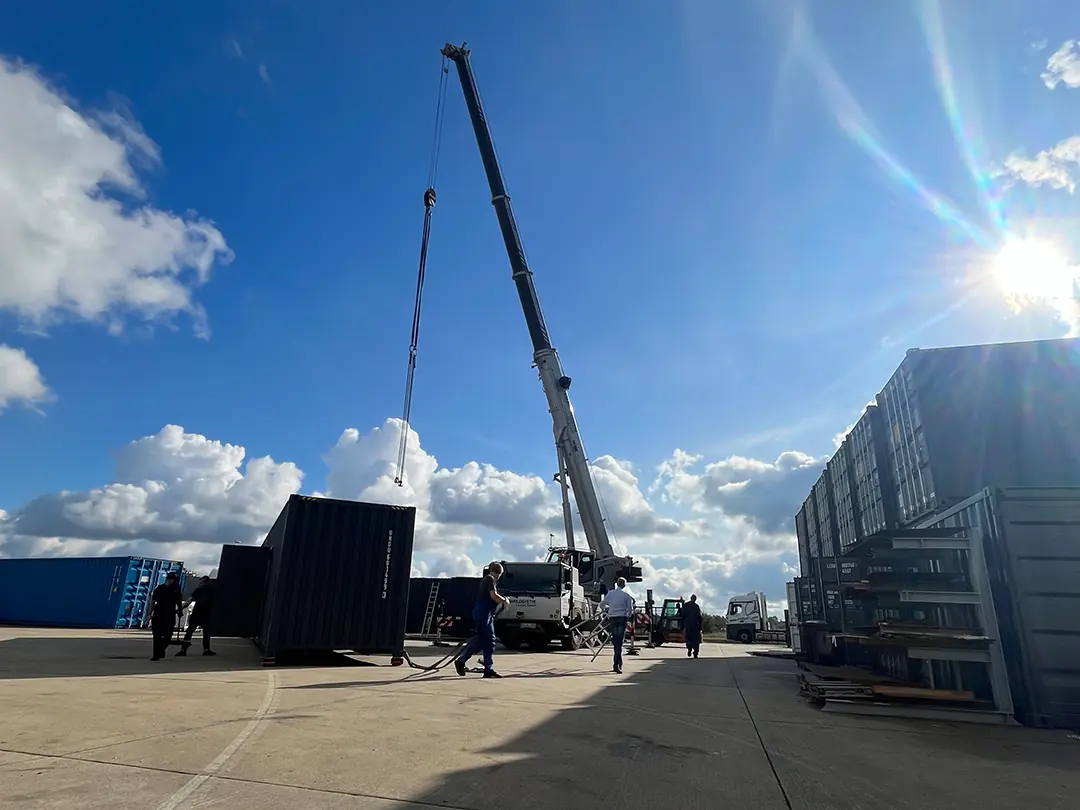
Project at a glance
| Project type: | Plant |
|---|---|
| Technology: | ClinX 150 with externally fired micro gas turbine |
| Project: | Swiss ClinX, distribution partner in Switzerland |
| Client: | Commercial business in Switzerland |
| Location: | Canton of Lucerne, Switzerland |
| Utilisation: | Power for the regional grid, heat for a drying chamber |
| Our scope: | Supply of the plant, support with engineering and service |
| Implemented by: | ClinX Energy Systems GmbH, pyropower group |
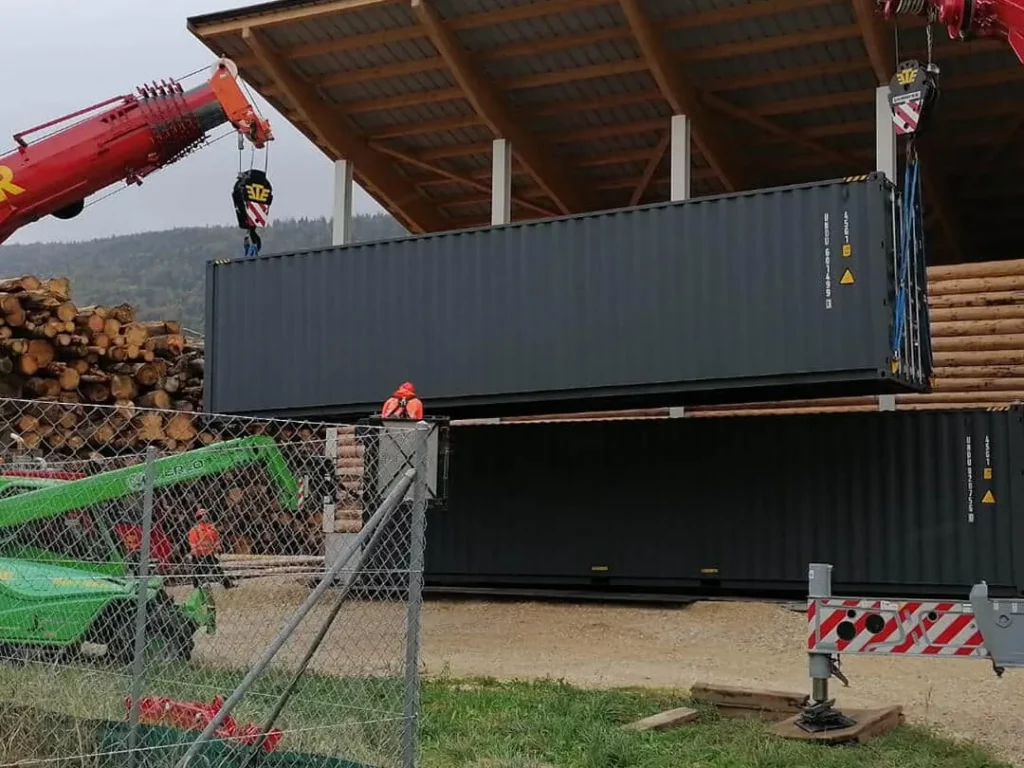
Two tasks with one plant
Starting point
A commercial business in Switzerland needs heat for drying. In future, this heat was to come from wood and also deliver power.
Implementation
The project was implemented by Swiss ClinX, our distribution partner in Switzerland, which sells pyropower technology there. Our group of companies supplied the plant, supported the engineering and provides service.
Result
The ClinX 150 is designed to feed power into the regional utility’s grid and to provide heat for a drying chamber.
Drying as heat consumer
Drying processes need heat evenly over long periods at a medium temperature level. This makes them a good match for a plant that generates power and heat together and benefits from many operating hours.
[ Knowledge ]
Convective drying: temperature, humidity and air flow
- Heat: provides the energy for evaporation, around 2,300 to 2,400 kJ per kilogram of water
- Humidity: warm, dry air absorbs considerably more water vapour than humid air
- Air flow: carries away the water vapour and maintains the moisture gradient
In a drying chamber, warm air performs two tasks: it brings the heat to the material, and it carries away the evaporated water vapour. This is known as convective drying. Most of the energy input goes into the enthalpy of vaporisation of the water.
How quickly drying takes place depends on the gradient between the moisture at the surface of the material and the humidity of the surrounding air. Warmer air can absorb much more water vapour, which is why a higher temperature speeds up drying. However, many products only tolerate certain temperatures, so controlling temperature, humidity and air flow becomes the real task.
In the first drying phase, free water evaporates at the surface at an almost constant rate. After that, moisture has to migrate from the interior, and drying slows down. An even heat source that is available for many hours suits this process well.
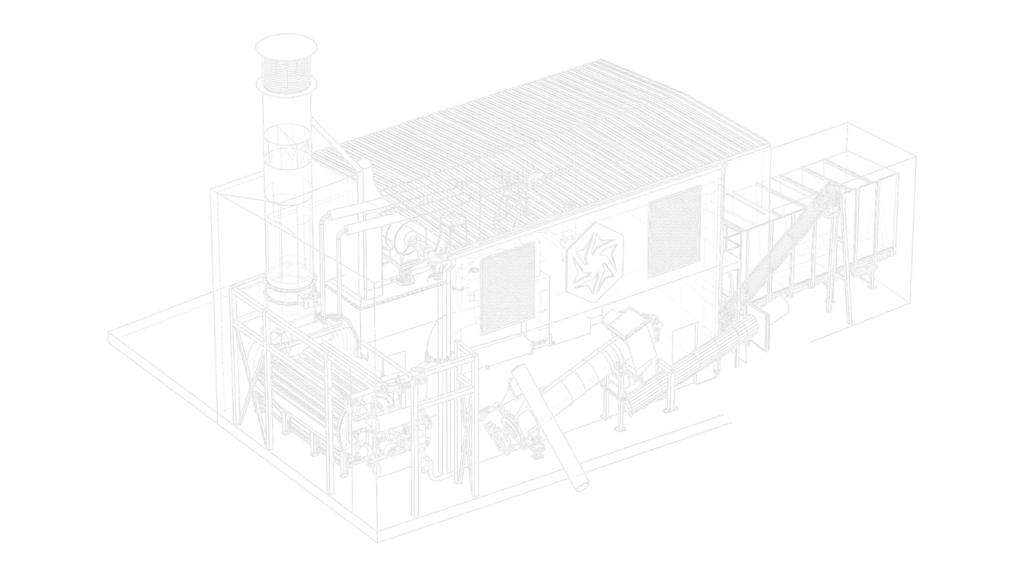
[ Technology ]
Pyro-ClinX 150
Pyrolysis and an externally fired micro gas turbine in one plant: power, heat and biochar from wood chips.
150 kW power gross · max. 450 kW heat · 600 t biochar per year
[ References ]
Latest projects
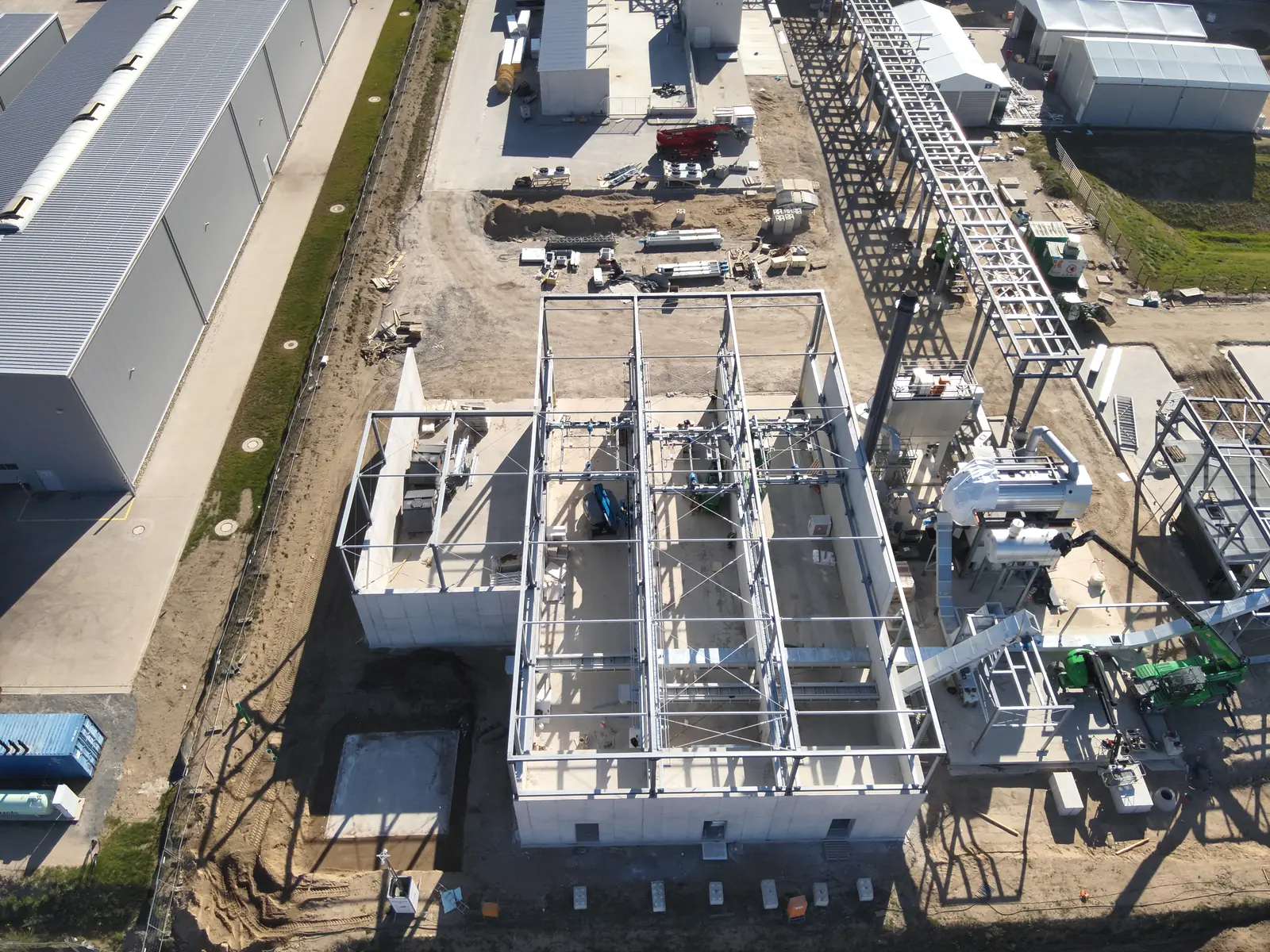
Biochar production at an industrial site in Mecklenburg-Western Pomerania
Three Pyro-ClinX 150 plants produce power, heat and biochar from industrial wood residues at an industrial site in Mecklenburg-Western Pomerania.

PyroPark Forst
PyroPark Forst is being developed in Lusatia as an integrated energy site that converts woody residues into electricity, usable heat, biochar and certified carbon removal.

ClinX Heat Power Generation from a Carbonization Plant in Darmstadt
ClinX Heat uses high-temperature energy from an existing carbonization plant to generate additional electricity on site.
 info@pyro-power.com
 +49 355 866 870 82
 pyropower GmbH