
Wood energy for a chocolate factory
ClinX 150 with grid feed-in and local heat, implemented with Swiss ClinX
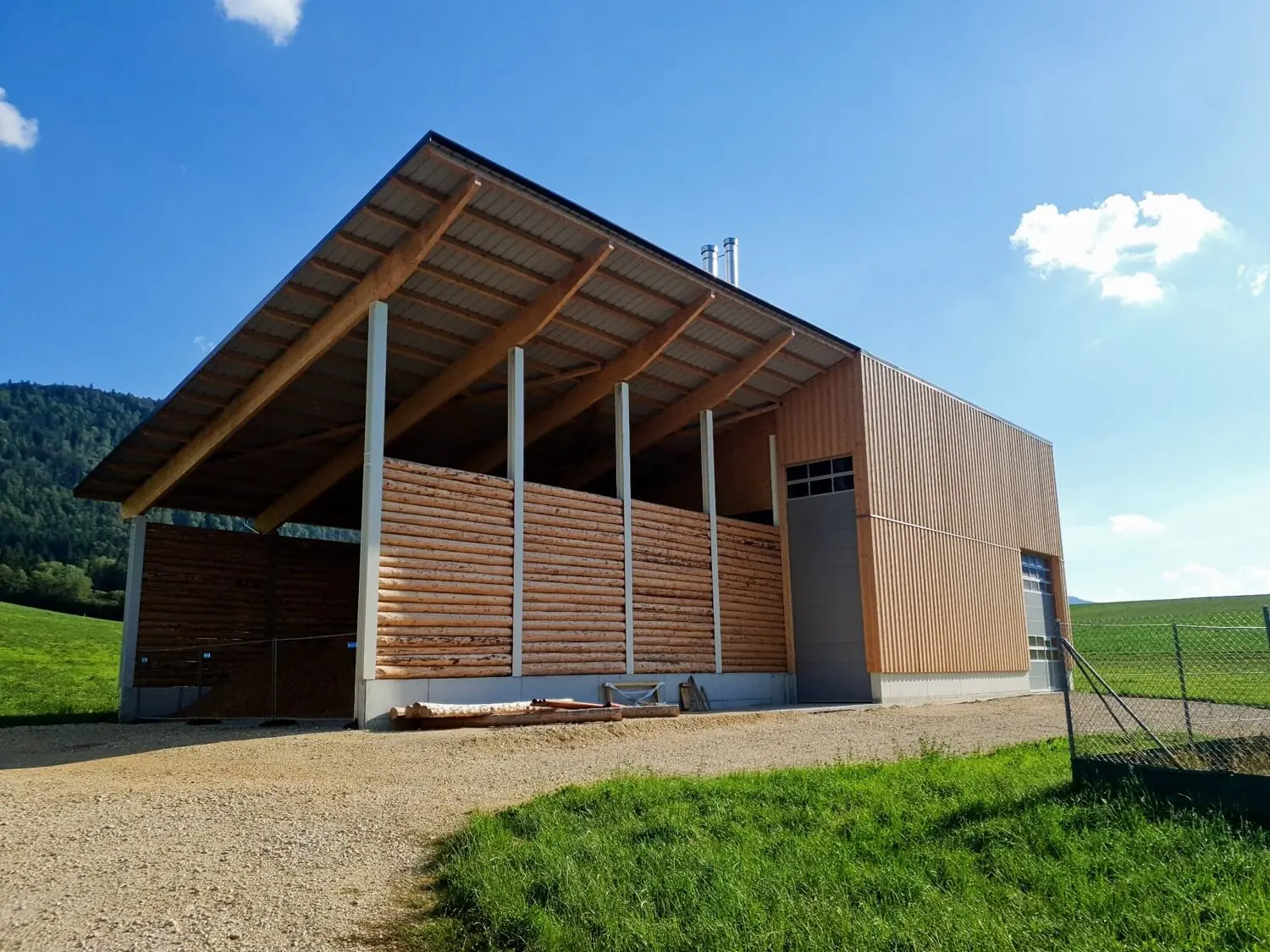
Project at a glance
| Project type: | Plant |
|---|---|
| Technology: | ClinX 150 with externally fired micro gas turbine |
| Project: | Swiss ClinX, distribution partner in Switzerland |
| Client: | Energy company at a chocolate factory |
| Location: | Canton of Bern, Switzerland |
| Utilisation: | Power for the regional grid, heat for a local heating network |
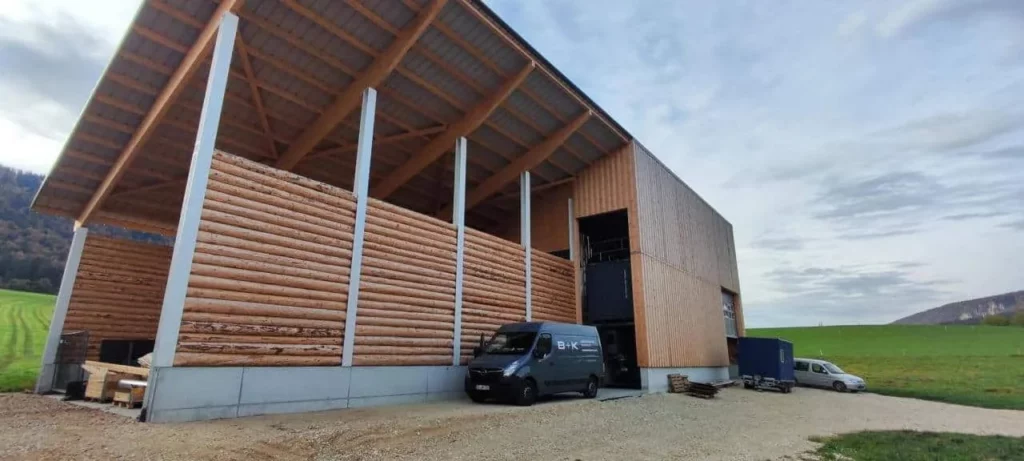
| Special feature: | dedicated timber plant building |
| Our scope: | Supply of the plant, support with engineering and service |
| Implemented by: | ClinX Energy Systems GmbH, pyropower group |
Wood energy for chocolate production
Starting point
Chocolate production needs a reliable energy supply. At a chocolate production site in Switzerland, part of this energy was to come from wood.
Implementation
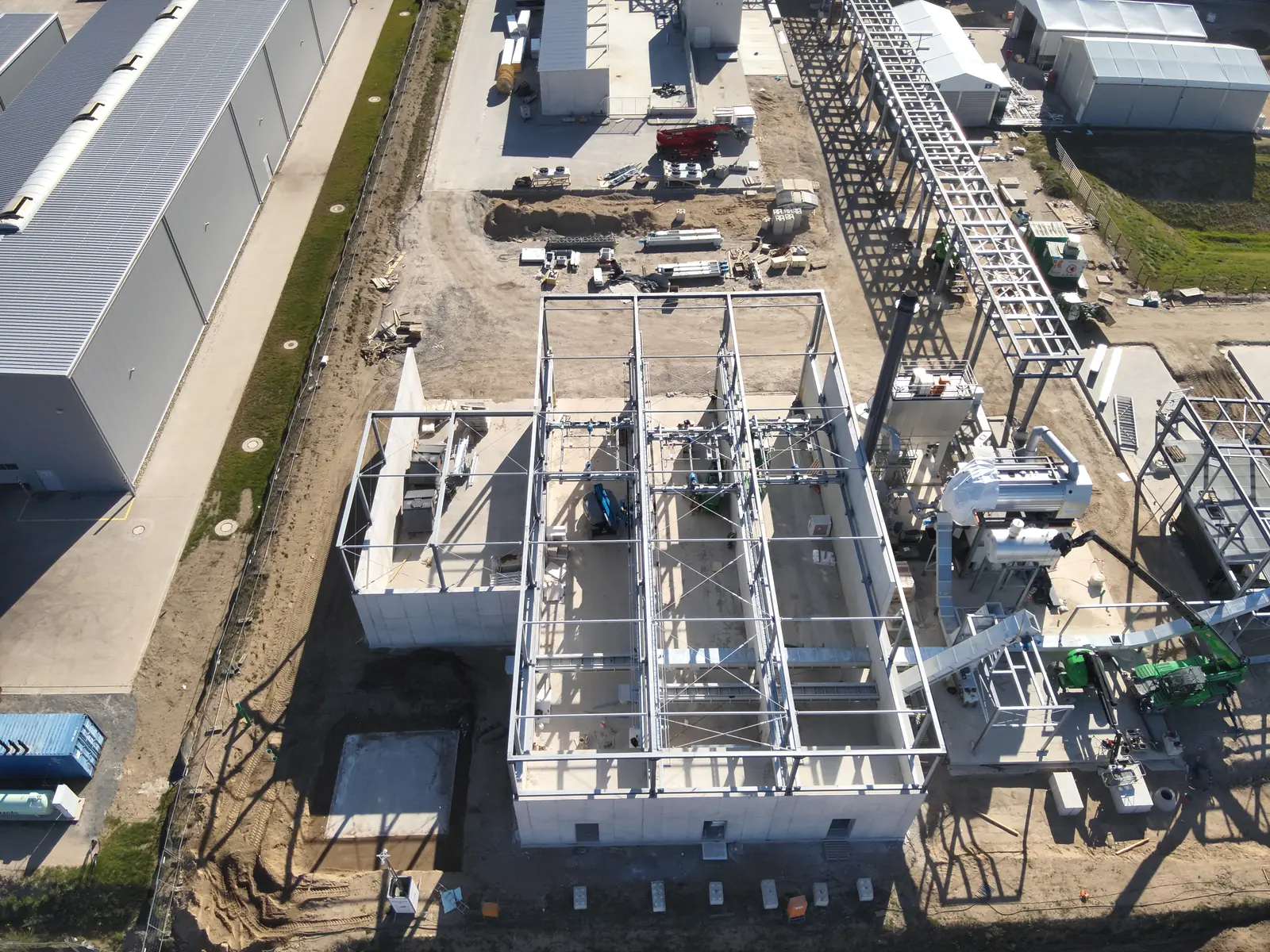
The project was implemented by Swiss ClinX, our distribution partner in Switzerland, which sells pyropower technology there. Our group of companies supplied the plant, supported the engineering and provides service. The ClinX 150 is housed in its own timber plant building. The client is an energy company.
Result
The ClinX 150 is designed to feed power into the regional utility’s grid and to supply heat to a local heating network.
A local heating network as heat consumer
A local heating network distributes the heat from one plant to several consumers. This balances out fluctuations in the demand of individual consumers and increases the number of hours in which the heat is used.
[ Knowledge ]
Local heating networks: flow, return and heat losses
- Flow: hot water from the generator to the consumers
- Return: cooled water back to the generator
- Temperature spread: difference between flow and return temperature
- Linear heat density: heat drawn per metre of pipe per year
A local heating network distributes heat through insulated pipes from a central generator to several buildings or businesses. Hot water flows in the flow line to the consumers, releases heat there via transfer stations and returns cooled in the return line.
The output transferred depends on the volume flow and the temperature spread. A large spread allows smaller pipes and less pumping energy. Low return temperatures are therefore an important goal when planning heating networks.
At the same time, every network loses heat to the ground, depending on insulation, pipe length and temperature level. Linear heat density is the measure of economic viability: the more heat is drawn per metre of pipe, the less the losses matter.
More about heating networks › From the blogExternally fired micro gas turbine: how the technology behind Pyro-ClinX and ClinX Heat worksRead more ›
[ Technology ]
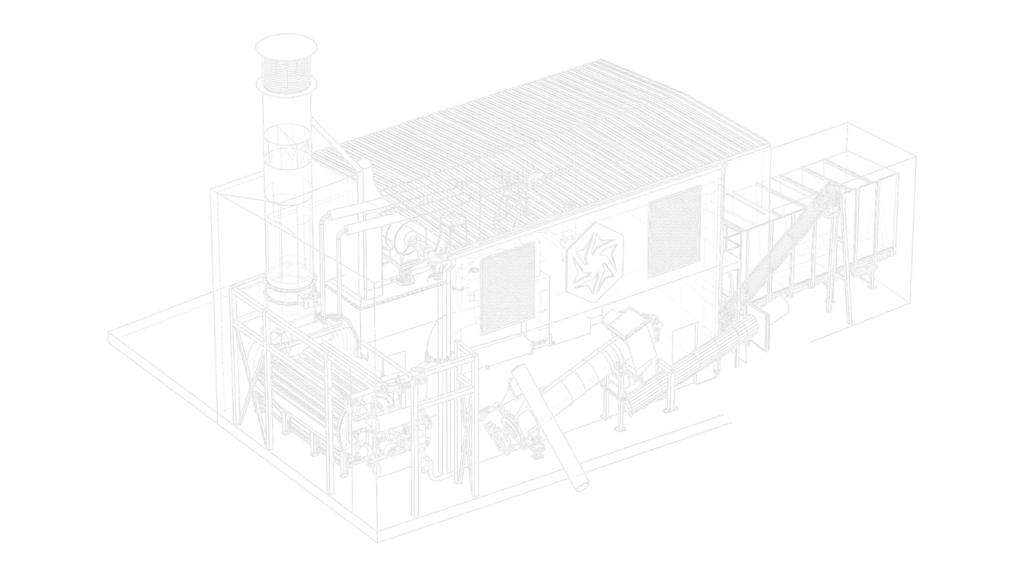
Pyro-ClinX 150
Pyrolysis and an externally fired micro gas turbine in one plant: power, heat and biochar from wood chips.
150 kW power gross · max. 450 kW heat · 600 t biochar per year
[ References ]
Latest projects
Biochar production at an industrial site in Mecklenburg-Western Pomerania
Three Pyro-ClinX 150 plants produce power, heat and biochar from industrial wood residues at an industrial site in Mecklenburg-Western Pomerania.

PyroPark Forst
PyroPark Forst is being developed in Lusatia as an integrated energy site that converts woody residues into electricity, usable heat, biochar and certified carbon removal.

ClinX Heat Power Generation from a Carbonization Plant in Darmstadt
ClinX Heat uses high-temperature energy from an existing carbonization plant to generate additional electricity on site.
 info@pyro-power.com
 +49 355 866 870 82
 pyropower GmbH