
30,000 operating hours: our test plant in Cottbus
Our own ClinX Wood 50 for testing and demonstration
Project at a glance
| Project type: | Test and demonstration plant operated in-house |
|---|---|
| Technology: | ClinX Wood 50 with externally fired micro gas turbine |
| Operator: | pyropower within the group of companies |
| Location: | Cottbus, Brandenburg |
| Result: | around 30,000 operating hours, modified several times |
| Implemented by: | ClinX Energy Systems GmbH, later pyropower GmbH |
Experience from our own continuous operation
Starting point
New technology needs a place where it can run in everyday operation without a customer depending on it. For this purpose, the group of companies operated its own ClinX Wood 50 at its headquarters in Cottbus from 2017. The plant was a test rig, a place of learning and a showcase all at once.
Implementation
The plant was used to test fuels, develop components further and show customers the technology in operation. It was modified several times, in 2020 for example with a new combustion chamber, flue gas fan and recooling system. Every modification could be tested directly in everyday operation, with real fuels, changing loads and everything that continuous operation brings with it.
Result
After around 30,000 operating hours, the plant fulfilled its purpose in 2024. What was learned during this time is now part of the Pyro-ClinX system.
The value of operating hours
Wear, deposits and the interaction of all components only become apparent over months and years. This experience cannot be replaced in the laboratory and feeds into the development of today’s plants.
[ Knowledge ]
Technology readiness level: from idea to continuous operation
- TRL 1 to 3: fundamentals, concept and first proof of function in the laboratory
- TRL 4 to 6: validation in the laboratory and in a relevant environment, prototype
- TRL 7 to 9: demonstration in real use up to proven operation
The Technology Readiness Level (TRL) describes on a scale of 1 to 9 how far a technology has been developed. The scale originally comes from NASA. Today, the European Commission and many funding programmes also classify projects according to it.
The step from TRL 6 to TRL 7 is considered particularly difficult: a prototype has to prove itself in the real operating environment, not just in the laboratory. Only continuous operation shows how materials behave under changing temperatures, where deposits form and which components wear. Because many developments stall at this point, it is also referred to as the “valley of death”.
A dedicated demonstration plant closes this gap: new components can be tested under real conditions without a customer’s operations depending on them.
More about development ›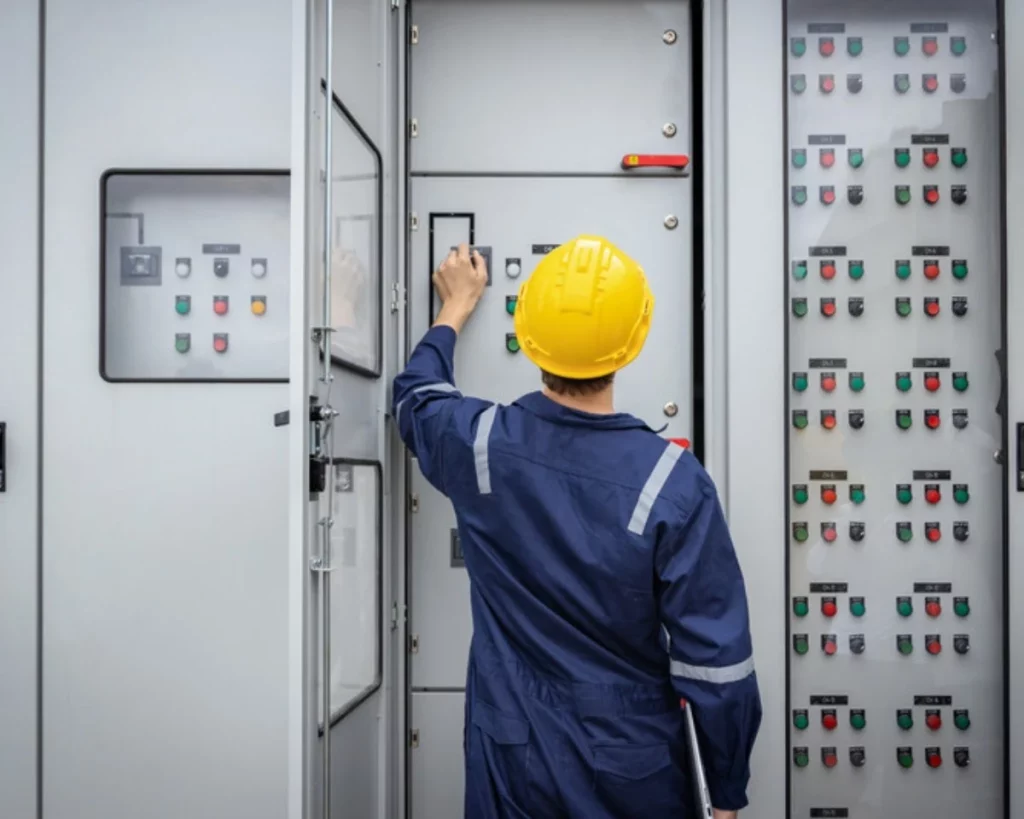 From the blogReview after 30,000 operating hours: the test plant in CottbusRead more ›
[ Technology ]
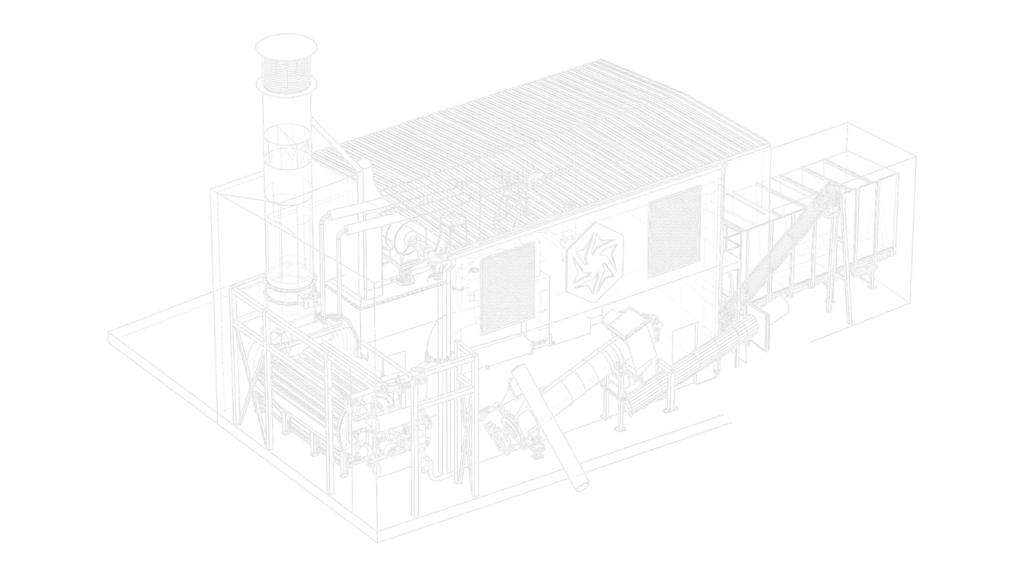
Pyro-ClinX 150
Pyrolysis and an externally fired micro gas turbine in one plant: power, heat and biochar from wood chips.
150 kW power gross · max. 450 kW heat · 600 t biochar per year
[ References ]
Latest projects
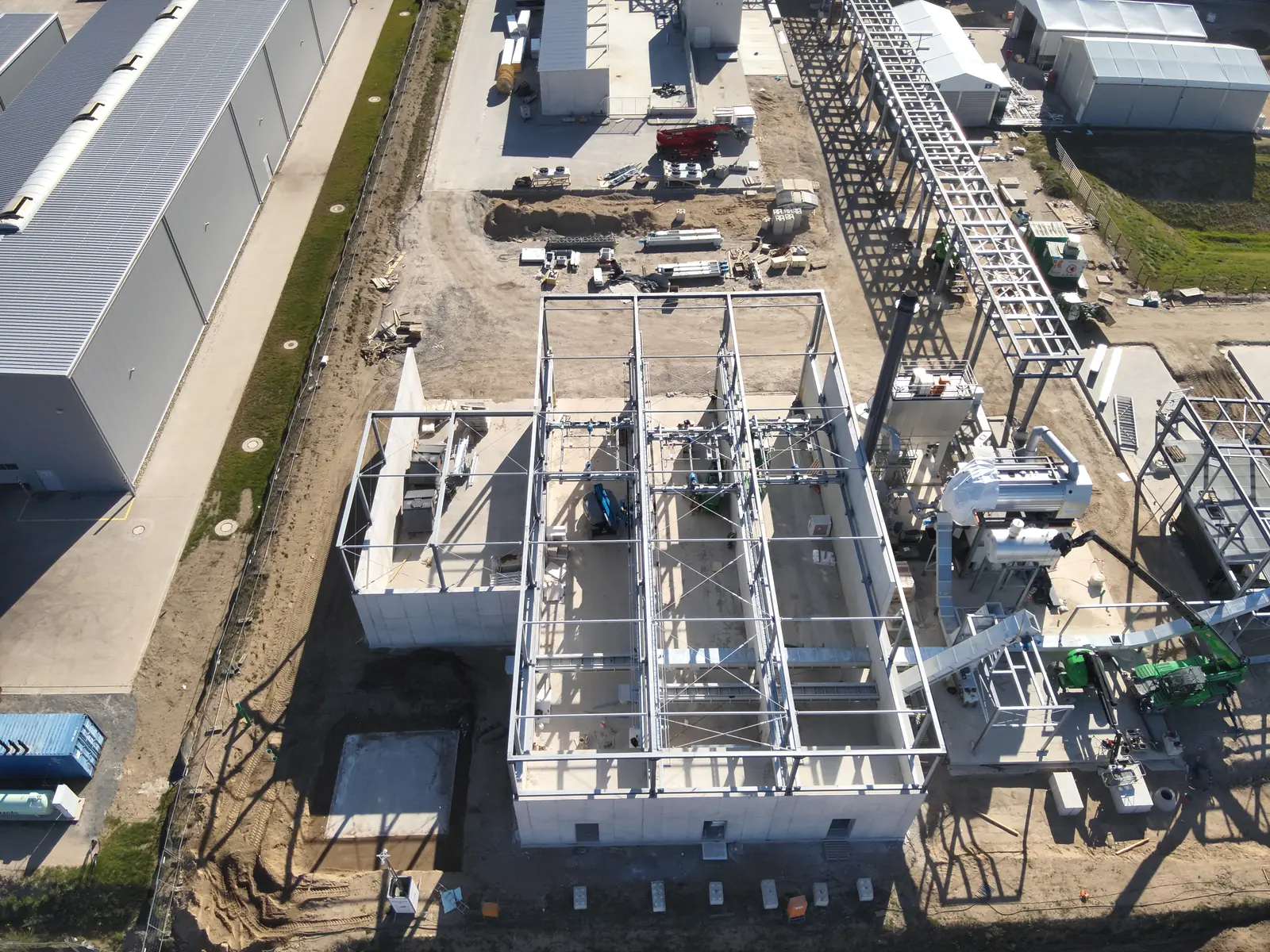
Biochar production at an industrial site in Mecklenburg-Western Pomerania
Three Pyro-ClinX 150 plants produce power, heat and biochar from industrial wood residues at an industrial site in Mecklenburg-Western Pomerania.

PyroPark Forst
PyroPark Forst is being developed in Lusatia as an integrated energy site that converts woody residues into electricity, usable heat, biochar and certified carbon removal.

ClinX Heat Power Generation from a Carbonization Plant in Darmstadt
ClinX Heat uses high-temperature energy from an existing carbonization plant to generate additional electricity on site.
 info@pyro-power.com
 +49 355 866 870 82
 pyropower GmbH