
Externally fired gas turbine: the technology behind ClinX
Clean air instead of fuel gas in the turbine
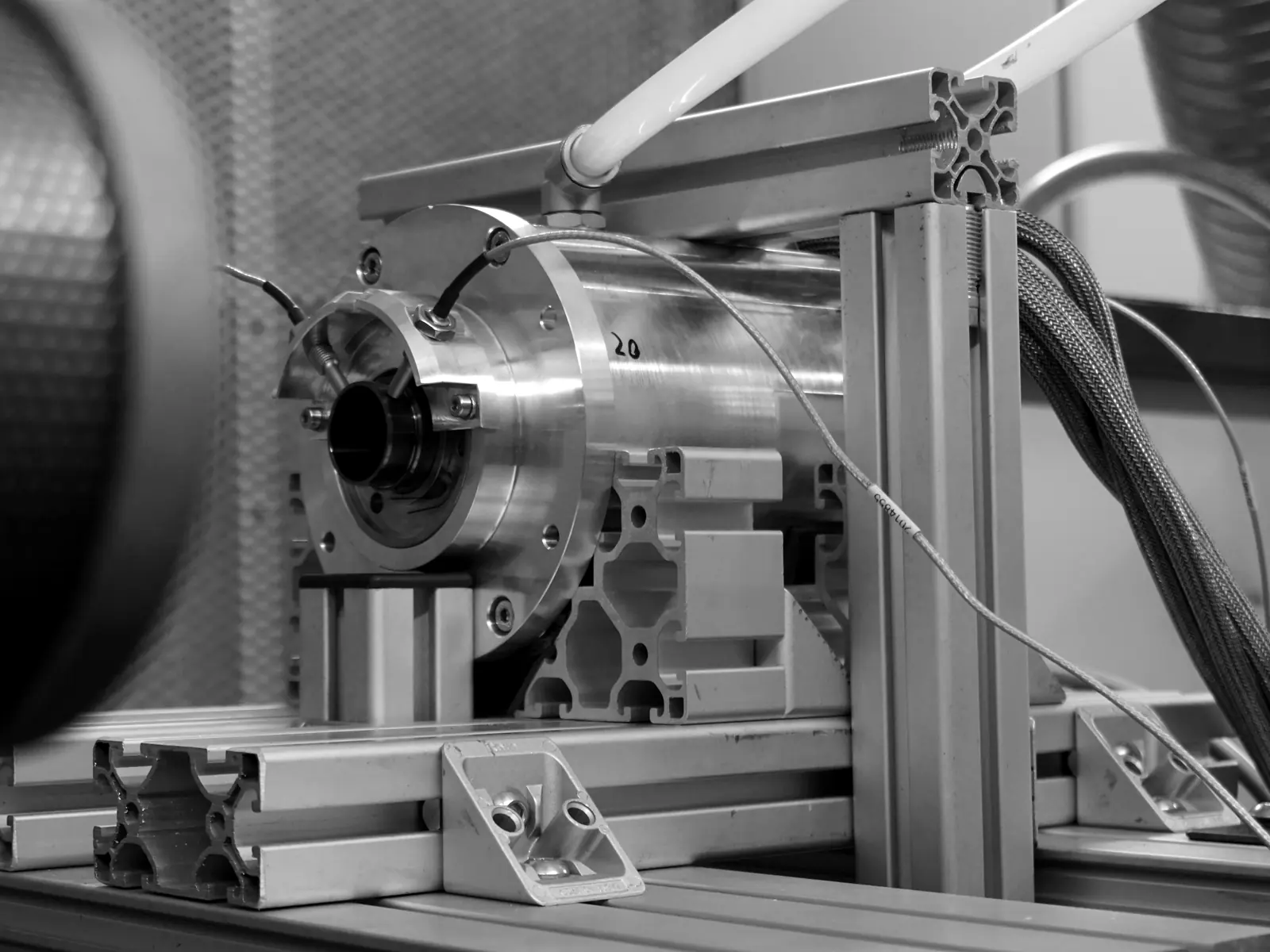
Project at a glance
| Project type: | Research and development |
|---|---|
| Technology: | externally fired gas turbine (EFGT) |
| Variant: | EFGT200C based on a 200 kW micro turbine |
| Features: | landfill gas, grid connection, high pressure, CE version |
| Significance: | basis of ClinX technology, from ClinX Heat to Pyro-ClinX |
| Implemented by: | pyropower group |
Clean air instead of fuel gas in the turbine
Starting point
A conventional gas turbine burns its fuel directly in the machine. This works well with clean natural gas, but not with wood, residues or process gases: ash, tar and pollutants would quickly damage the turbine.
Implementation
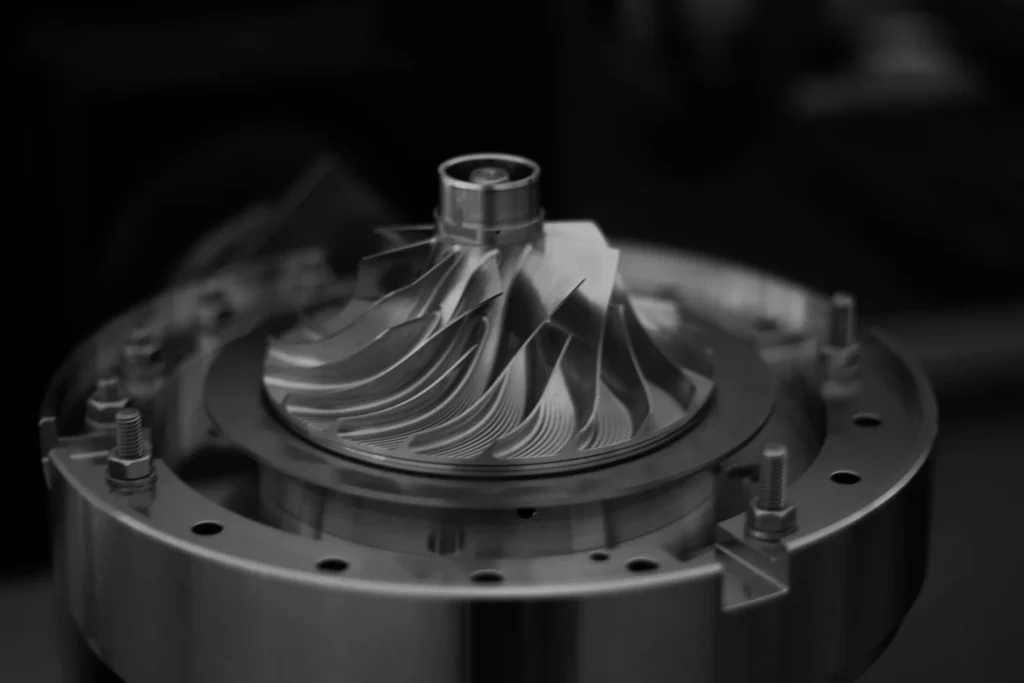
In the externally fired gas turbine, combustion takes place outside. A heat exchanger transfers the heat to compressed air, and only this air flows through the turbine. The first concepts for this were developed from 2014. The EFGT200C followed as a variant for landfill gas, with grid connection, high-pressure operation and CE version.
Result
This technology line is the basis of today’s ClinX plants, from ClinX Heat to the Pyro-ClinX system.
Landfill gas as fuel
In addition to methane, landfill gas contains a lot of carbon dioxide as well as trace substances such as siloxanes and sulphur compounds. During combustion, siloxanes form solid silicon dioxide deposits that clog engines and turbines. In the externally fired turbine, such residues remain on the flue gas side of the heat exchanger.
[ Knowledge ]
Joule cycle with external heat supply
- Compression: in micro gas turbines, ambient air is compressed to a pressure ratio of typically 3 to 5
- Heat supply: in the high-temperature heat exchanger instead of a combustion chamber
- Expansion: in the turbine, which drives the compressor and generator
- Exhaust air: as preheated combustion air or as useful heat
Gas turbines work according to the Joule cycle, also known as the Brayton cycle: air is compressed, heated at almost constant pressure and expanded in the turbine. The turbine delivers more work than the compressor needs, and the difference drives the generator. Efficiency rises with the pressure ratio and above all with the temperature at the turbine inlet.
In the externally fired gas turbine, a heat exchanger replaces the combustion chamber. Physically, little changes in the cycle, but in practice a lot does: the air temperature at the turbine inlet is always lower than the flue gas temperature by the approach temperature of the heat exchanger. The achievable turbine inlet temperature, and thus efficiency, therefore depend directly on the materials and design of the heat exchanger.
Micro gas turbines work with small pressure ratios and use a recuperator that uses the turbine exhaust air to preheat the compressed air. In externally fired plants, the still warm exhaust air can also serve as preheated combustion air or be extracted as useful heat. This turns a process with limited electrical efficiency into combined heat and power with high overall utilisation.

[ Technology ]
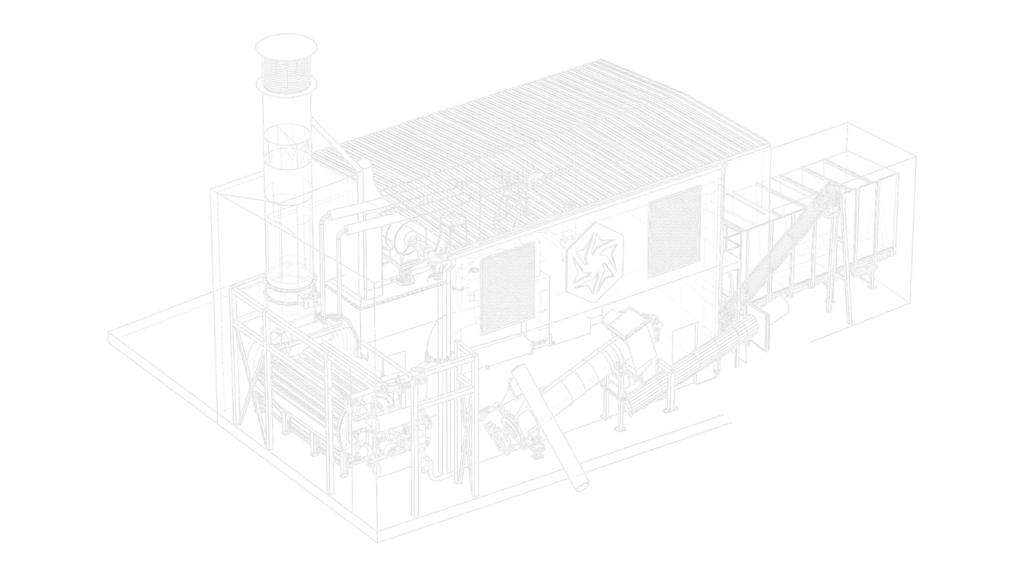
Pyro-ClinX 150
Pyrolysis and an externally fired micro gas turbine in one plant: power, heat and biochar from wood chips.
150 kW power gross · max. 450 kW heat · 600 t biochar per year
[ References ]
Latest projects
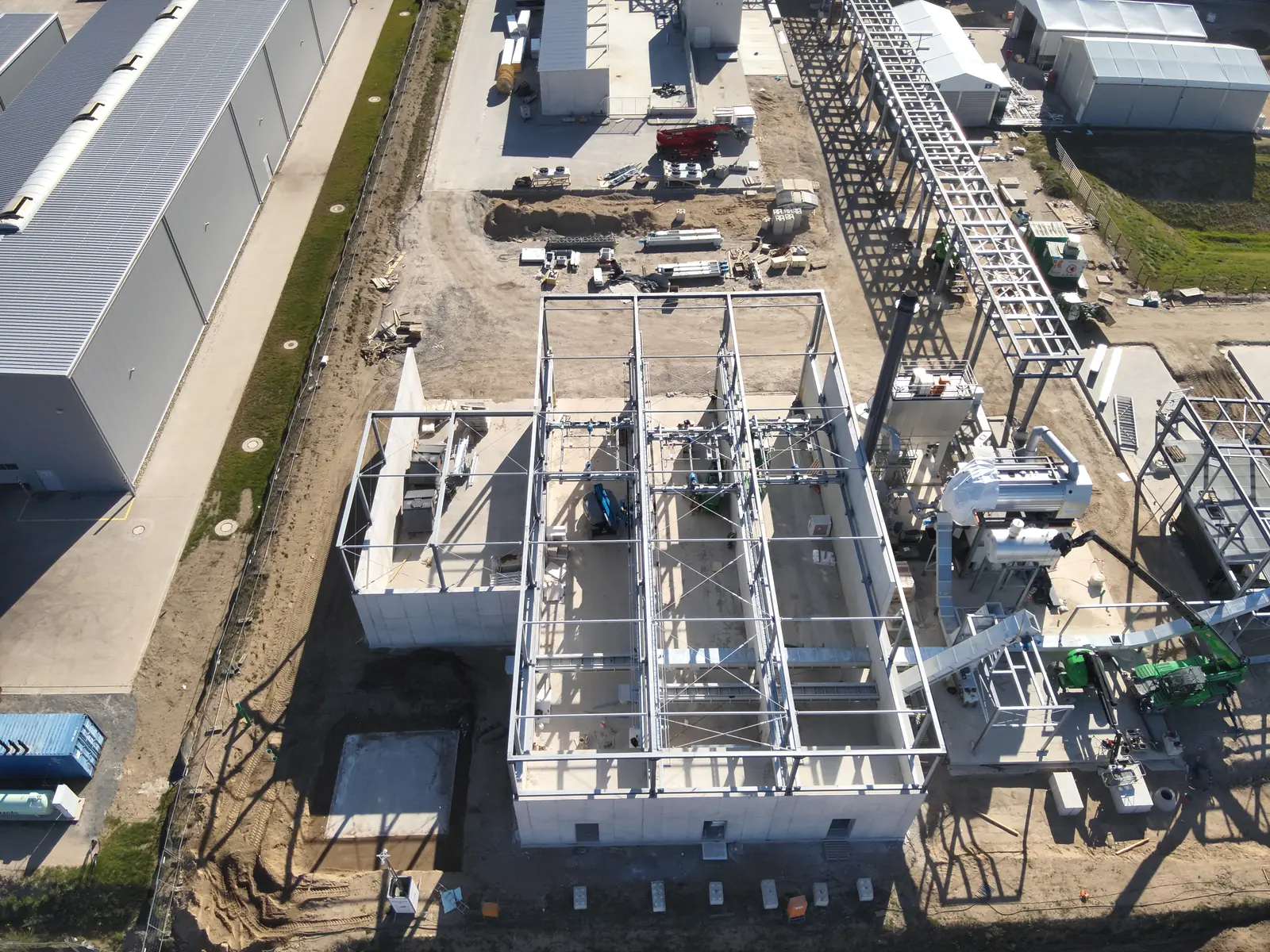
Biochar production at an industrial site in Mecklenburg-Western Pomerania
Three Pyro-ClinX 150 plants produce power, heat and biochar from industrial wood residues at an industrial site in Mecklenburg-Western Pomerania.

PyroPark Forst
PyroPark Forst is being developed in Lusatia as an integrated energy site that converts woody residues into electricity, usable heat, biochar and certified carbon removal.

ClinX Heat Power Generation from a Carbonization Plant in Darmstadt
ClinX Heat uses high-temperature energy from an existing carbonization plant to generate additional electricity on site.
 info@pyro-power.com
 +49 355 866 870 82
 pyropower GmbH