
Fibre-reinforced oxide ceramics for micro gas turbines
Dense CMC components and their machining
Project at a glance
| Project type: | Research and development |
|---|---|
| Subject: | dense oxide ceramic CMC components and their machining |
| Partners: | Ceramics manufacturer as coordinator, research institute, industrial partner |
| Funding: | BMBF HoMAS framework |
| Duration: | 2019 to 2022 |
| Implemented by: | pyropower group |
Fibre-reinforced ceramics for the turbine
Starting point
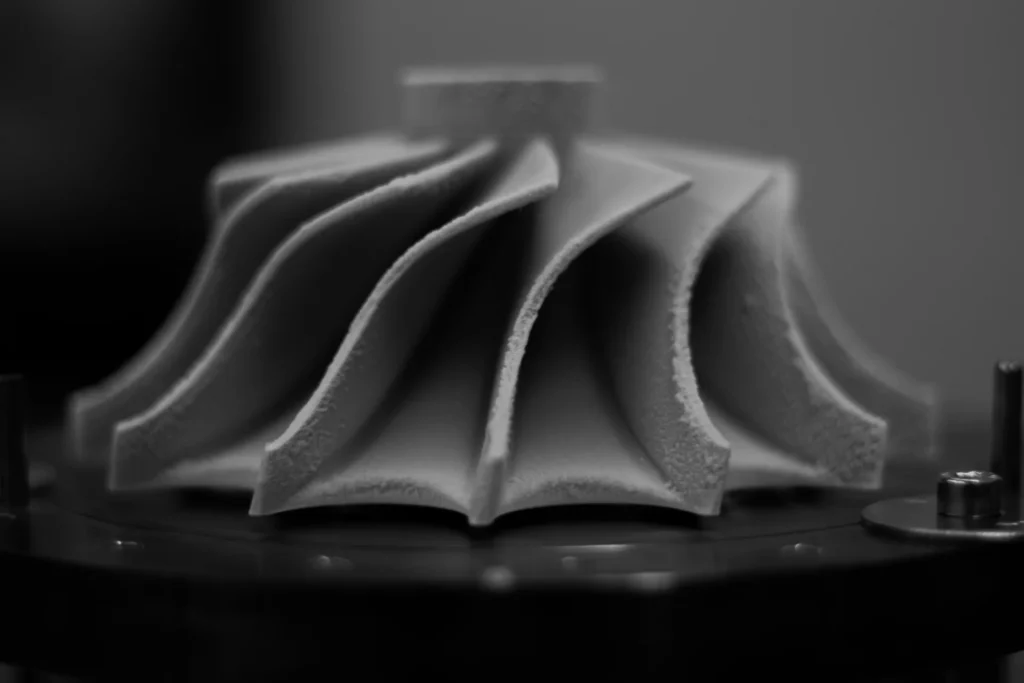
Monolithic ceramics are heat-resistant but brittle. Fibre-reinforced ceramics, CMC for short, are considerably more resistant to cracks and thermal cycling, which makes them attractive for components in micro gas turbines.
Implementation
The doMiGat joint project focused on dense oxide ceramic CMC components for micro gas turbines and on machining these materials. The project was coordinated by a ceramics manufacturer, with a research institute and an industrial partner also involved. It ran from June 2019 to May 2022 within the BMBF HoMAS framework.
Result
The results were presented in the working group “Reinforcement of Ceramic Materials”.
Machining as a focus in its own right
Fibre-reinforced ceramics cannot be machined like metal. Hard fibres and a brittle matrix require diamond tools, adapted cutting parameters and strategies against chipping and delamination at the edges.
[ Knowledge ]
Oxide ceramic fibre composites: damage-tolerant instead of brittle
- Matrix: oxide ceramic, such as aluminium oxide, mullite or aluminosilicates
- Fibres: continuous oxide ceramic fibres
- Damage tolerance: cracks are deflected at the interface, fibres bridge the crack and pull out
- Oxide advantage: resistant to oxidation in air, without an additional protective coating
Monolithic ceramics fail in a brittle manner: a single crack runs unhindered through the component. Ceramic matrix composites (CMC) behave differently. When a crack in the matrix meets a fibre, it is deflected at the interface, the fibre bridges the crack and is only gradually pulled out. The material does not break abruptly but quasi-ductilely, and copes much better with thermal cycling.
For this mechanism to work, the bond between fibre and matrix must not be too strong. Many oxide CMCs achieve this with a porous, weak matrix. A dense matrix, on the other hand, is more gas-tight and more resistant to erosion, but needs a specifically adjusted interface, for example a fibre coating, so that damage tolerance is retained. Dense oxide ceramic CMCs lie precisely in this area of tension.
Compared with non-oxide CMCs such as SiC/SiC, oxide composites have an important advantage: they are already oxidised and therefore stable in the long term in a hot, oxygen-rich atmosphere, without a protective coating. Their operating limit is set by grain growth and creep of the fibres, typically in the range of around 1,000 to 1,200 °C.
[ Technology ]
Externally fired micro gas turbine
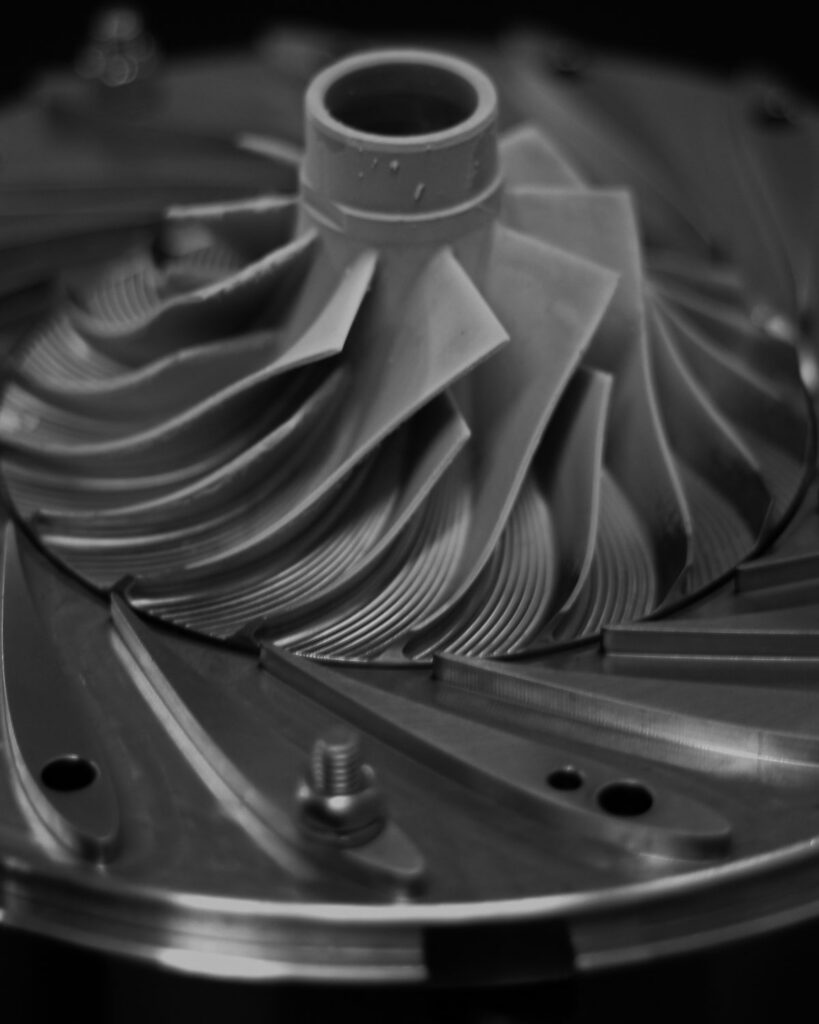
Clean air instead of gas in the turbine and air bearings without oil: this is how the technology works that we have been developing within our group of companies for years.
[ References ]
Latest projects
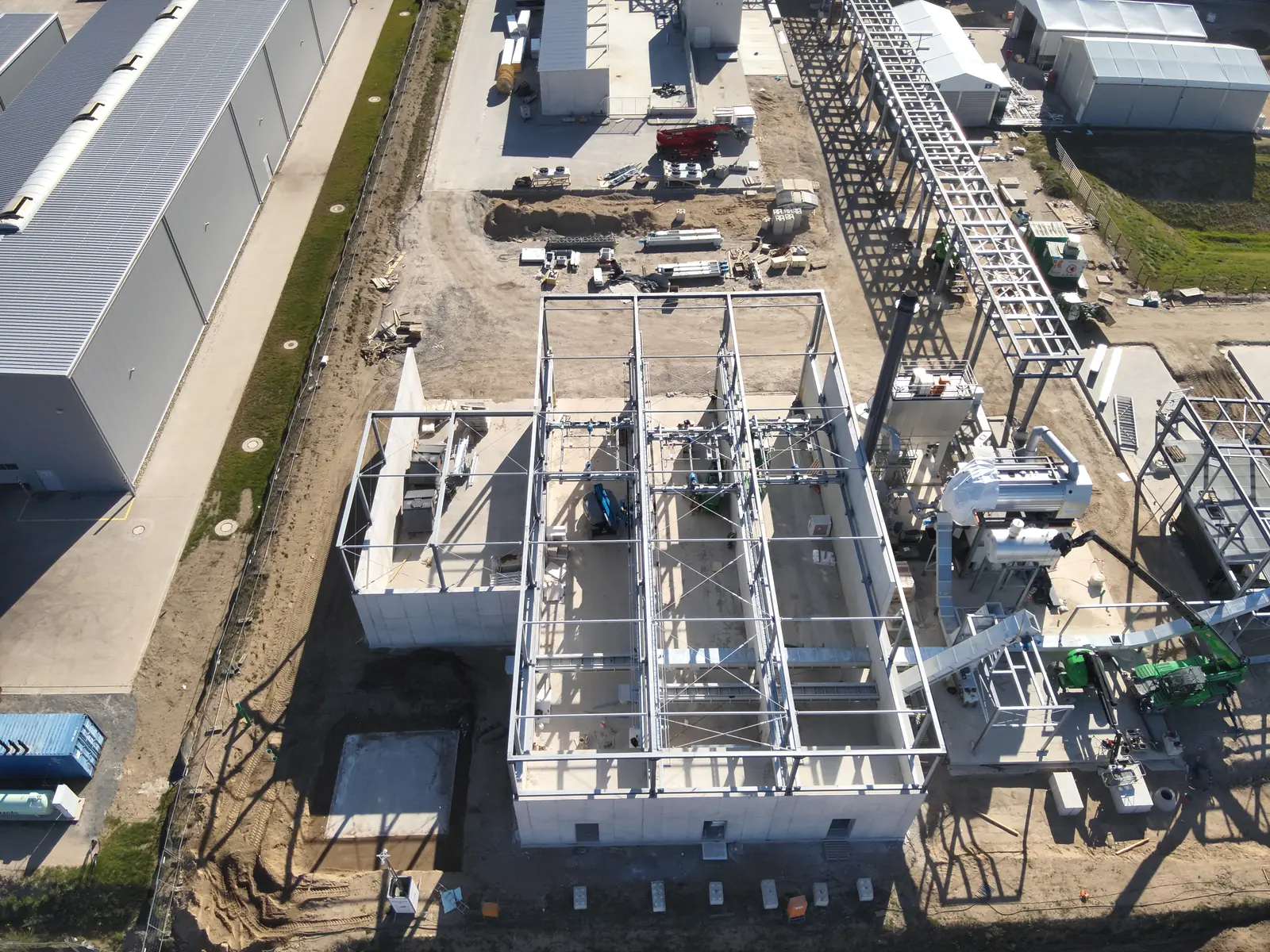
Biochar production at an industrial site in Mecklenburg-Western Pomerania
Three Pyro-ClinX 150 plants produce power, heat and biochar from industrial wood residues at an industrial site in Mecklenburg-Western Pomerania.

PyroPark Forst
PyroPark Forst is being developed in Lusatia as an integrated energy site that converts woody residues into electricity, usable heat, biochar and certified carbon removal.

ClinX Heat Power Generation from a Carbonization Plant in Darmstadt
ClinX Heat uses high-temperature energy from an existing carbonization plant to generate additional electricity on site.
 info@pyro-power.com
 +49 355 866 870 82
 pyropower GmbH