
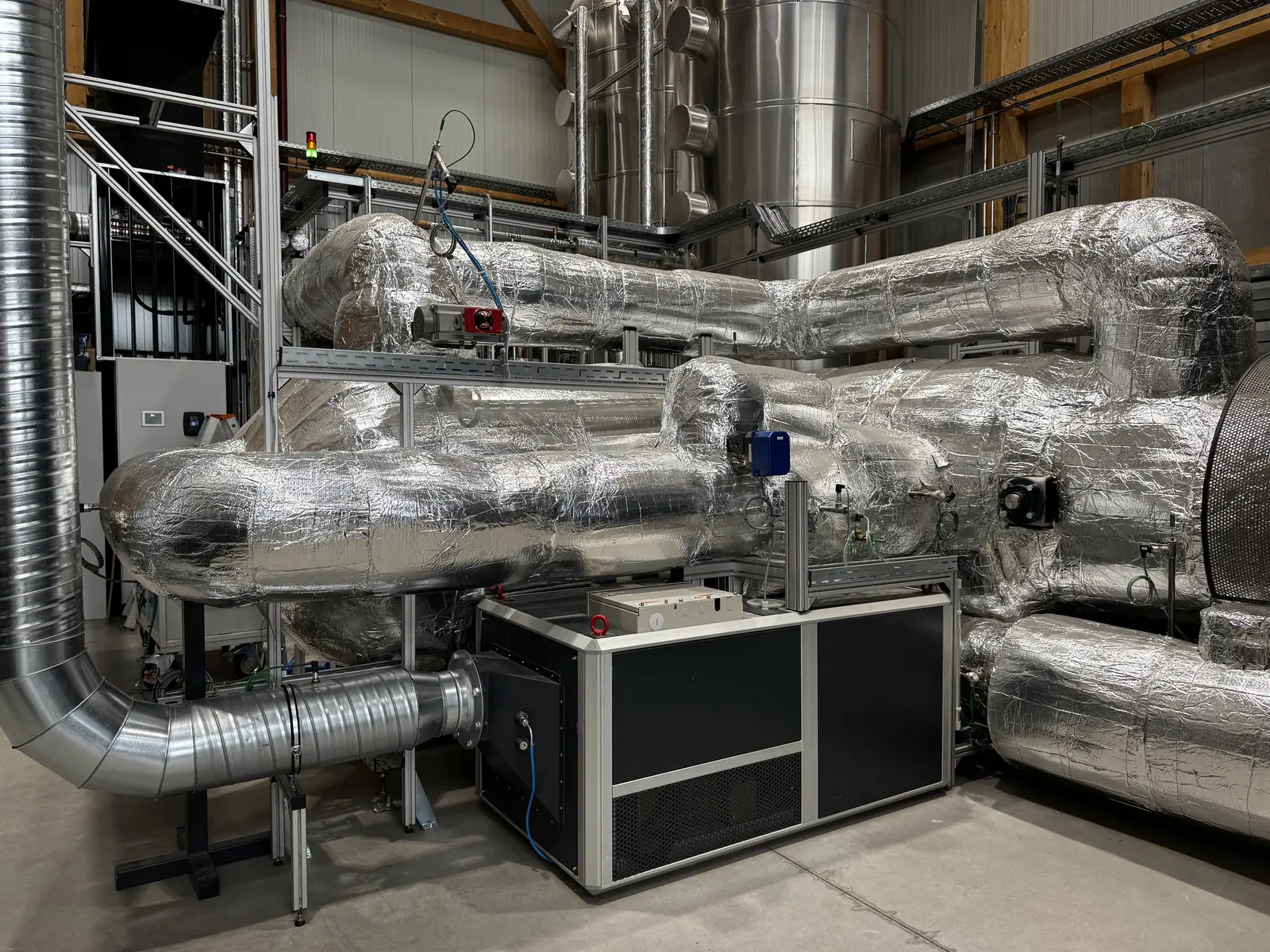
Test plant with externally fired micro gas turbine for a university
EFGT 30 with sensors for research, measurement and teaching
Project at a glance
| Project type: | Plant for research and teaching |
|---|---|
| Technology: | EFGT 30 with externally fired micro gas turbine |
| Client: | Technical university |
| Location: | Germany |
| Scope of supply: | Test plant, additional sensors, control cabinet, documentation and training |
| Use: | Research, measurement and teaching |
| Result: | several thousand operating hours |
| Implemented by: | ClinX Energy Systems GmbH, pyropower group |
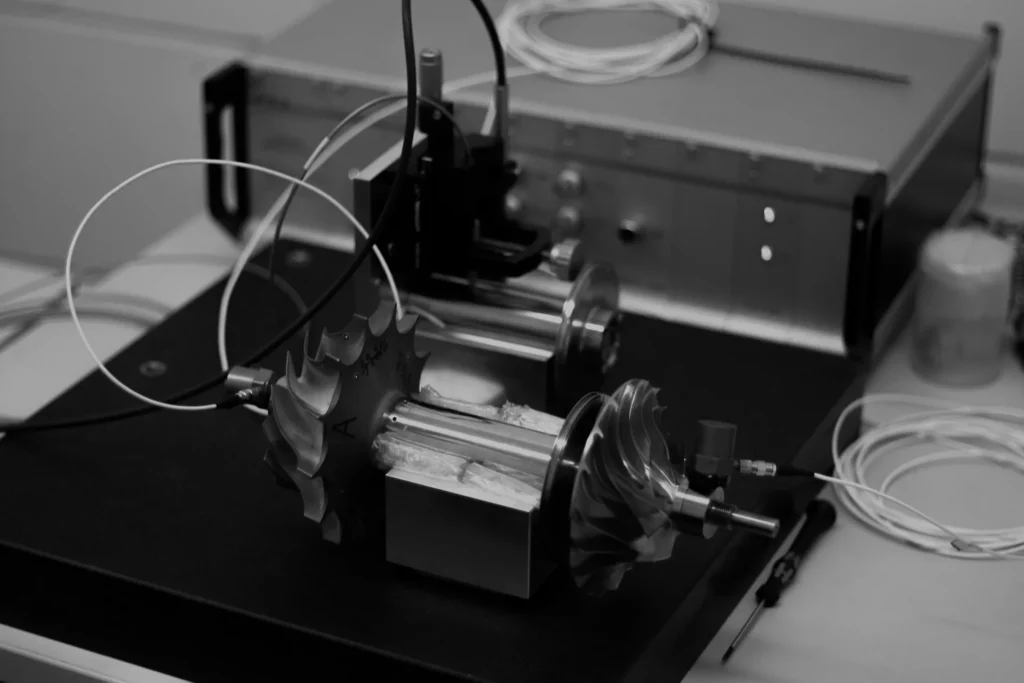
A plant for experiments and teaching
Starting point
A technical university wanted to use the externally fired micro gas turbine in research, measurement and teaching. For this, it needed a plant on which operation can be measured, varied and explained.
Implementation
ClinX Energy Systems designed the EFGT 30 test plant for research and teaching. The scope of supply included additional sensors, a dedicated control cabinet, documentation and training. The team then supported test operation on site.
Result
The plant is installed and in operation in the university’s test hall. It has already reached several thousand operating hours and serves students and researchers as a test rig.
Measurement as part of the plant
For research, it is not enough for a plant to run. Temperatures, pressures, volume flows and electrical values have to be recorded at many points so that efficiencies can be balanced and operating states compared. That is why additional sensors and a dedicated control cabinet were part of the scope of supply.
[ Knowledge ]
High-temperature heat exchanger: materials at their limit
- Flue gas side: temperatures of 900 °C and more
- Air side: compressed air at a pressure of a few bar
- Creep: slow plastic deformation under load at high temperature
- Materials: high-temperature nickel-based alloys, and ceramics for higher temperatures
The high-temperature heat exchanger is the key component of the externally fired micro gas turbine. Hot flue gas flows on one side and compressed air on the other. The wall between them has to conduct heat well, stay gas-tight and carry mechanical loads at the same time.
Metallic materials lose strength at high temperatures. Under sustained load they begin to creep, which means they slowly deform plastically. On top of this come oxidation and corrosion from components of the flue gas, as well as thermal cycling stresses every time the plant starts up and shuts down. High-temperature nickel-based alloys are therefore used in the hottest area.
Because electrical efficiency rises with the air temperature at the turbine inlet, every additional degree the heat exchanger can handle counts. Ceramic heat exchangers could reach higher temperatures, but they are brittle and difficult to join gas-tight. Test plants like this one provide the measurement data with which such limits can be determined more precisely.
More about development ›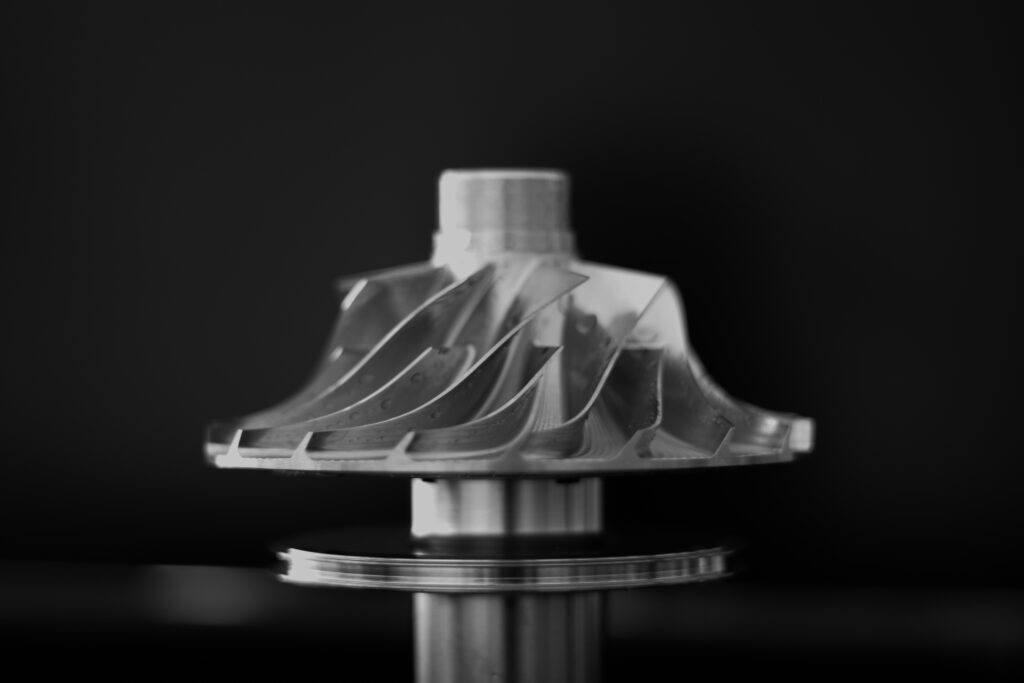 From the blogExternally fired micro gas turbine: how the technology behind Pyro-ClinX and ClinX Heat worksRead more ›
[ Technology ]
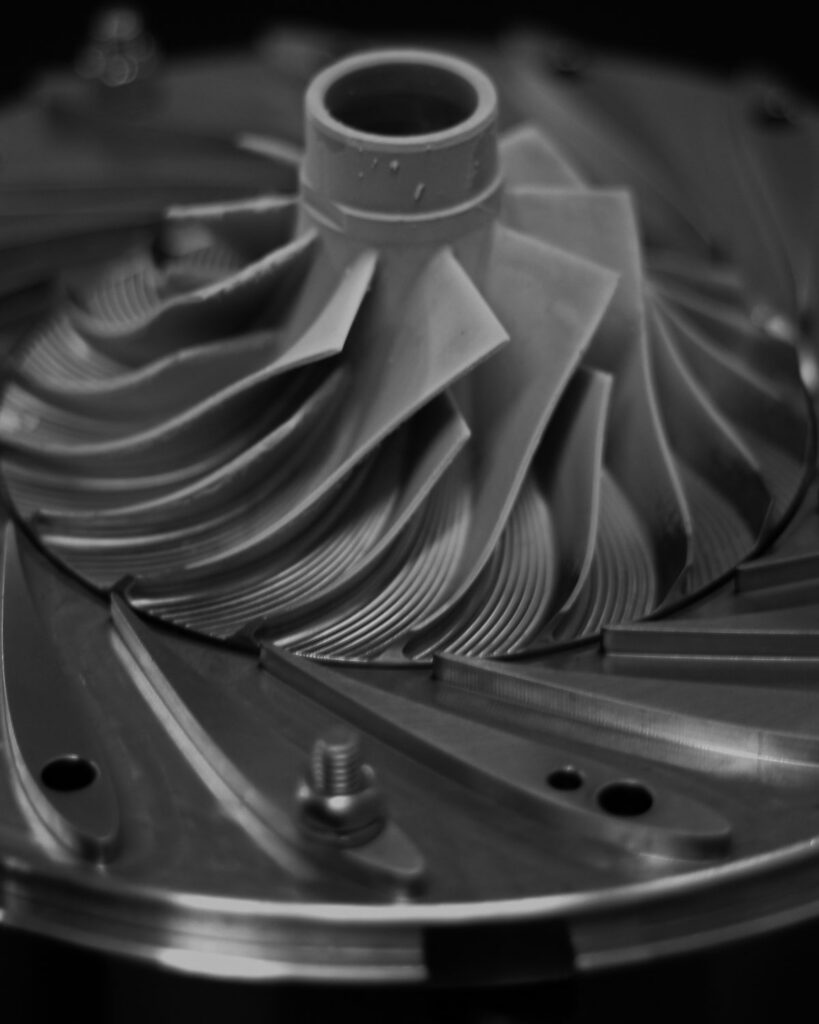
Externally fired micro gas turbine
Clean air instead of gas in the turbine and air bearings without oil: this is how the technology works that we have been developing within our group of companies for years.
[ References ]
Latest projects
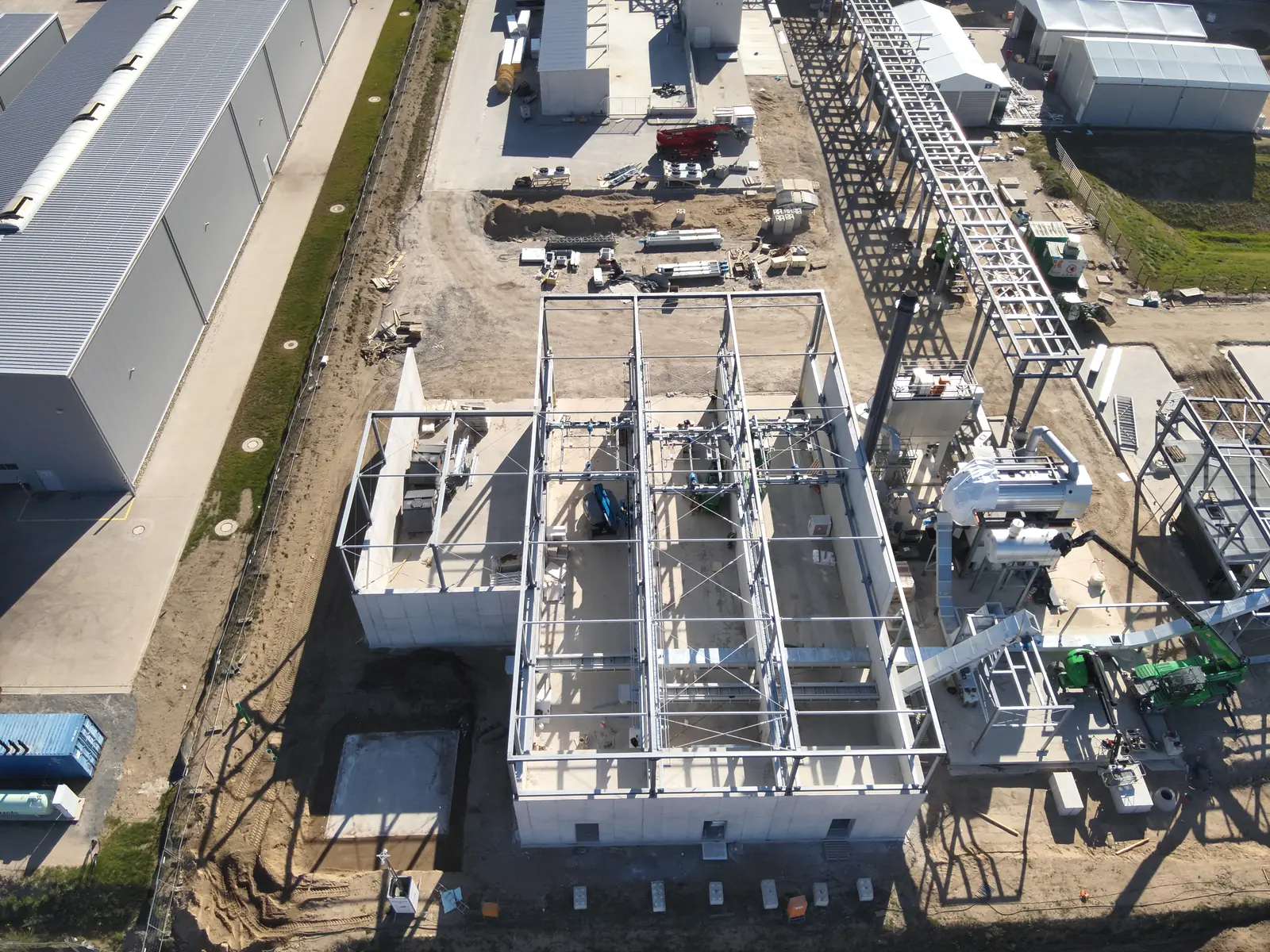
Biochar production at an industrial site in Mecklenburg-Western Pomerania
Three Pyro-ClinX 150 plants produce power, heat and biochar from industrial wood residues at an industrial site in Mecklenburg-Western Pomerania.

PyroPark Forst
PyroPark Forst is being developed in Lusatia as an integrated energy site that converts woody residues into electricity, usable heat, biochar and certified carbon removal.

ClinX Heat Power Generation from a Carbonization Plant in Darmstadt
ClinX Heat uses high-temperature energy from an existing carbonization plant to generate additional electricity on site.
 info@pyro-power.com
 +49 355 866 870 82
 pyropower GmbH