
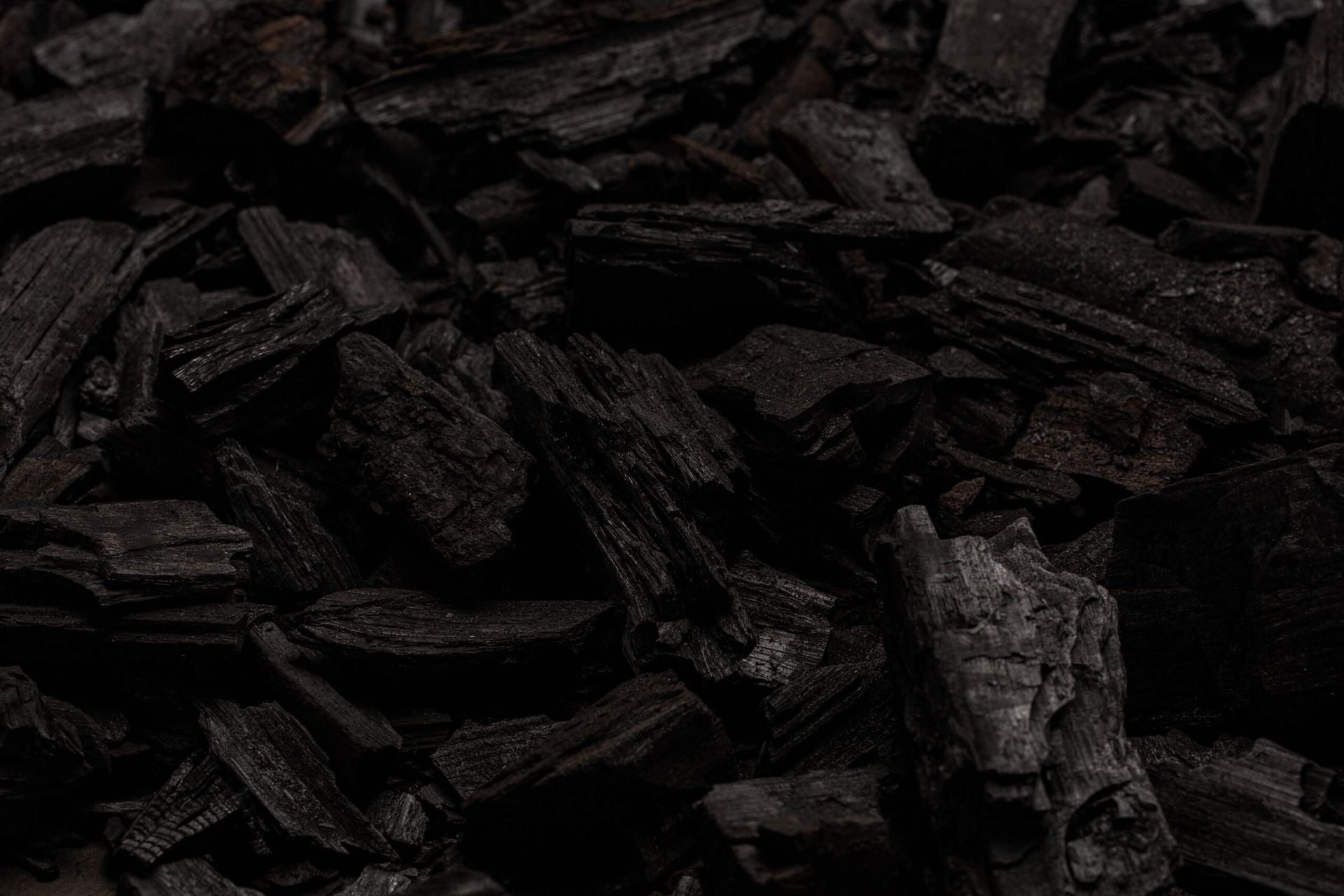

A carbon-rich material
What is biochar?
Biochar is made by pyrolysis: biogenic residues such as wood are heated in the absence of oxygen. A large share of the carbon that the plants absorbed from the air while growing is converted into a stable form. The result is a porous material with a large internal surface.
This structure makes biochar useful in many applications: it retains water and nutrients, binds pollutants and can be worked into building materials and plastics. Its stable carbon fraction stays bound for a very long time. The principle is old: the fertility of the Terra Preta black earth in the Amazon basin is largely due to biochar worked into the soil.
Your route to biochar
Buy, produce or market
Buy biochar
Tell us the application and annual quantity, we deliver the right quality.
- Quality to the requirements of the matching EBC class
- Grain size and packaging as required, for example in big bags
- Fixed allocations for annual quantities
- Price on request, available from early December 2026
- Request biochar
Produce it yourself
With your own Pyro-ClinX, you produce biochar, power and heat from your residues.
- Around 75 kg of biochar per hour
- 150 kW electrical (gross) and up to 450 kW heat
- Your own wood residues as fuel
- On request, pyropower takes care of sales
- To the Pyro-ClinX pyrolysis plant
Marketing and purchase
For operators of a Pyro-ClinX: we take care of selling your biochar.
- Marketing: pyropower sells the biochar to buyers on your behalf
- Purchase: pyropower buys the biochar at an agreed price
- No own sales, storage or logistics required
- Conditions on request
Production
How our biochar is made
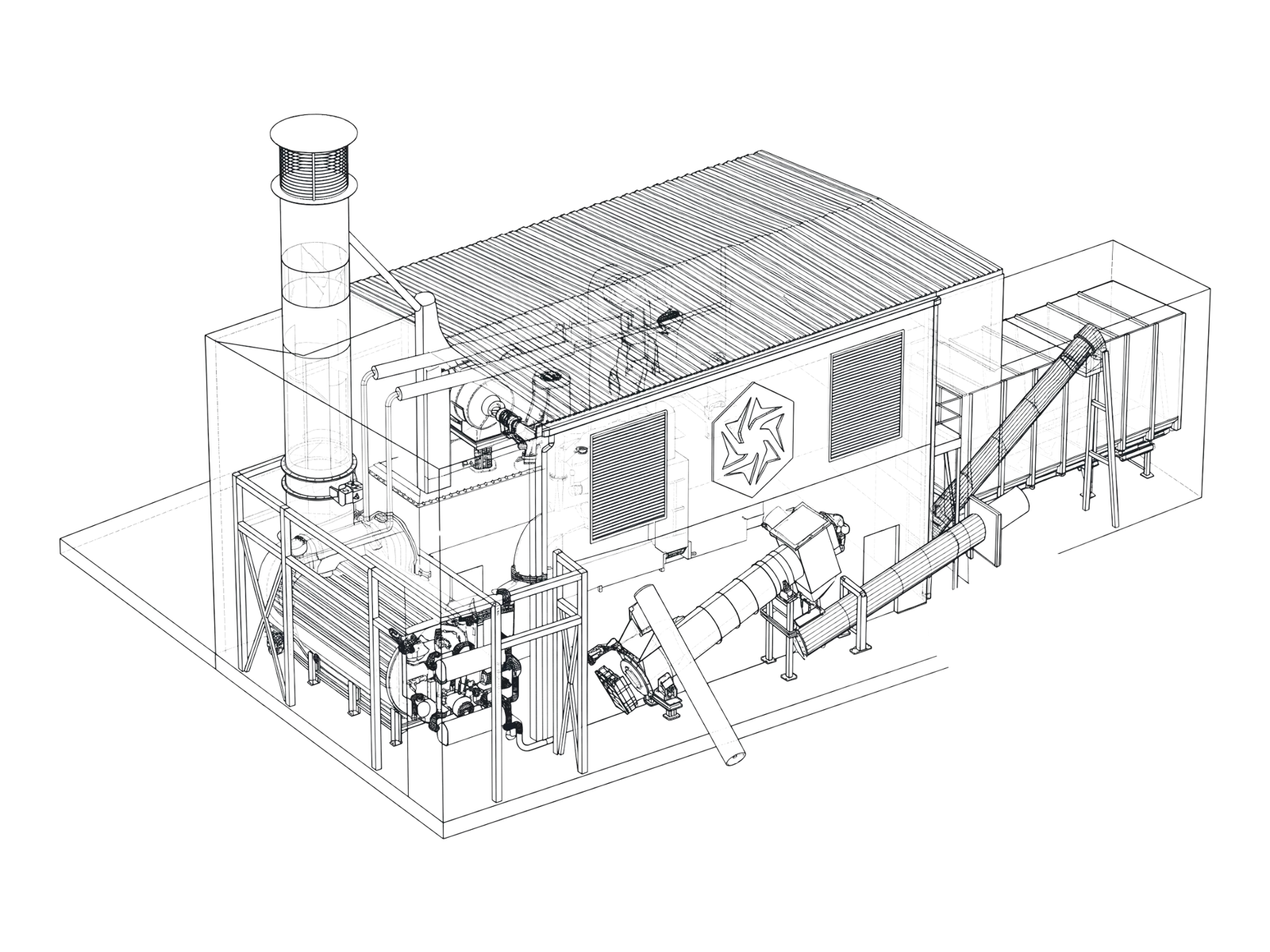
Our biochar is produced in Pyro-ClinX plants. Biogenic residues, mainly wood, are converted into biochar and pyrolysis gas. The gas is burned directly and drives a micro gas turbine via a heat exchanger.
One process thus yields three products: around 75 kg of biochar per hour, 150 kW of electricity (gross) and up to 450 kW of heat. In continuous operation the plant covers its own energy demand, and the power from biomass can replace power from the grid.
Properties
Biochar made to measure
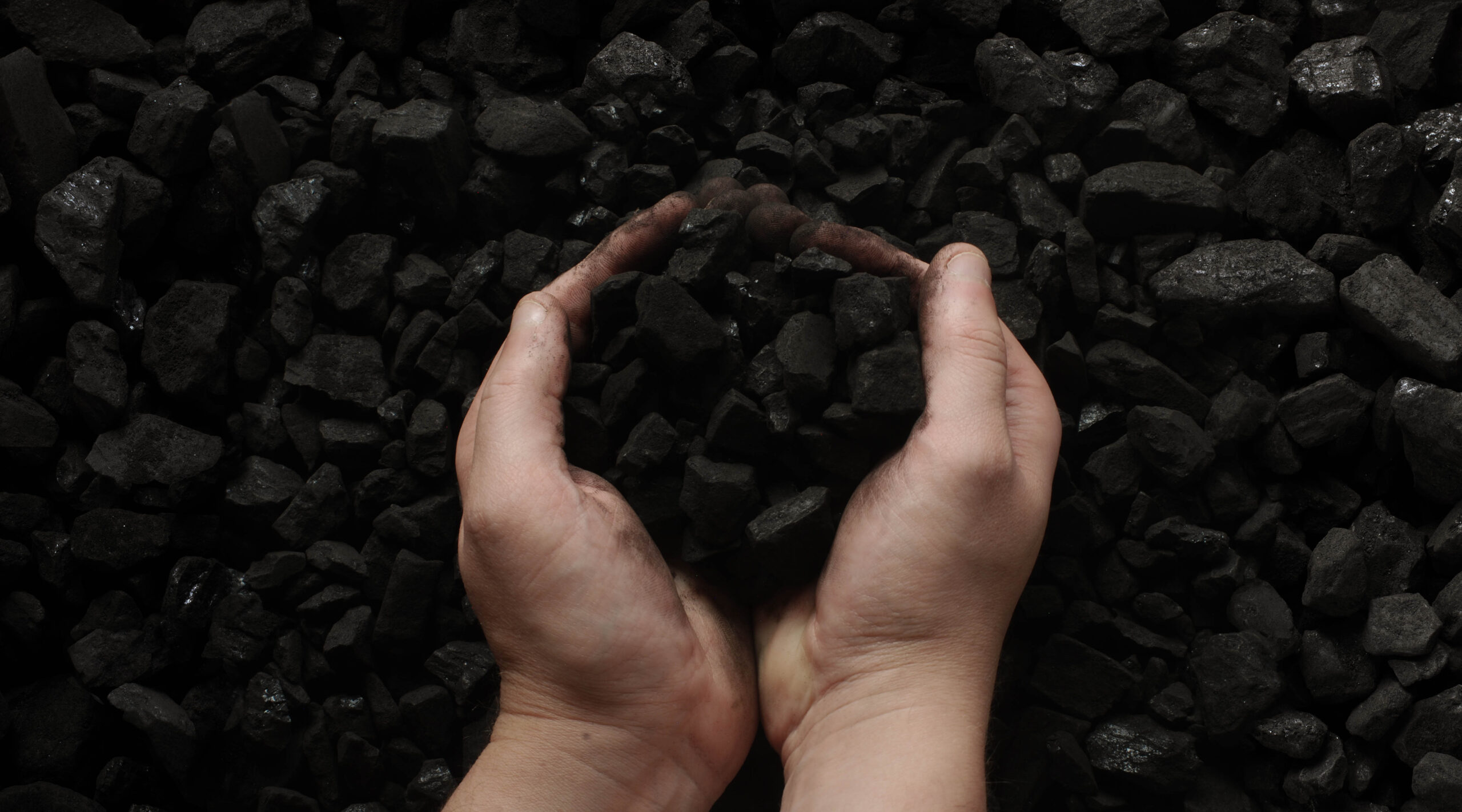
Feedstock, pyrolysis temperature and processing determine the structure, surface and grain size of the biochar. We match these properties to your application so that the biochar fits into existing products and processes.
- Large specific surface and high porosity
- Good uptake of water, nutrients and pollutants
- Consistent quality through fixed process parameters
- Plannable quantities through continuous production
Applications
Where biochar is used
Agriculture and livestock
Biochar in the agricultural cycle: as a feed additive, in bedding, in slurry treatment and finally in the soil.
- Feed additive and barn hygiene in the strictest EBC class
- Binding nutrients in bedding and farm manure
- Soil improvement with long-term bound carbon
- For conventional and organic farms
Substrates and soils
Biochar improves the structure of soils and substrates in soil production, horticulture and forestry.
- Higher water-holding capacity
- Better nutrient retention and less leaching
- Habitat for microorganisms in the root zone
Construction and building materials
In concrete, mortar, plaster, insulation and wood-based materials, biochar becomes part of the building. The carbon stays bound in the material over the lifetime of the building.
- Additive for concrete, mortar and plaster
- Carbon storage in the building
- Analysis values and documentation for your records
Industry and materials
As a component of plastic and rubber compounds, asphalt, packaging and fibre materials.
- Use in existing production processes
- Long-term carbon storage in the product
- Can reduce the product carbon footprint
Municipalities and infrastructure
Applications on public land and in water management.
- Tree substrates following the sponge city principle and planting pits
- Rainwater management
- Filter and adsorption medium in water and wastewater
- Recultivation and land stabilisation
Further applications
Filter solutions, flue gas cleaning, special materials: the list of applications keeps growing. Contact us if you want to assess an application that is not listed here.
European Biochar Certificate
The right EBC class
What is the EBC?
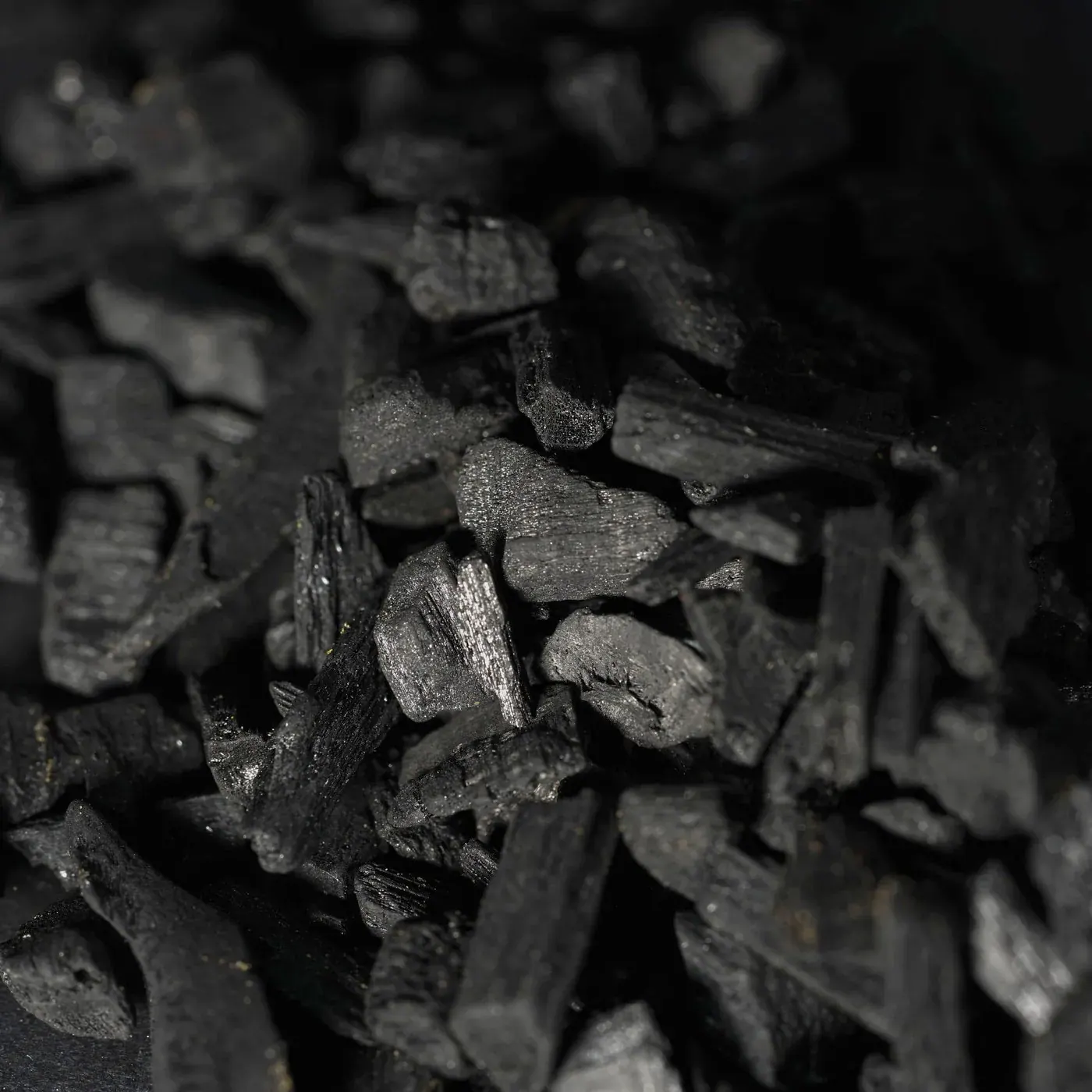
The European Biochar Certificate (EBC) is the European quality standard for biochar. It governs feedstocks, production and limit values. There are different classes depending on the application. We produce to the requirements of these classes: you name the application, we deliver the right quality.
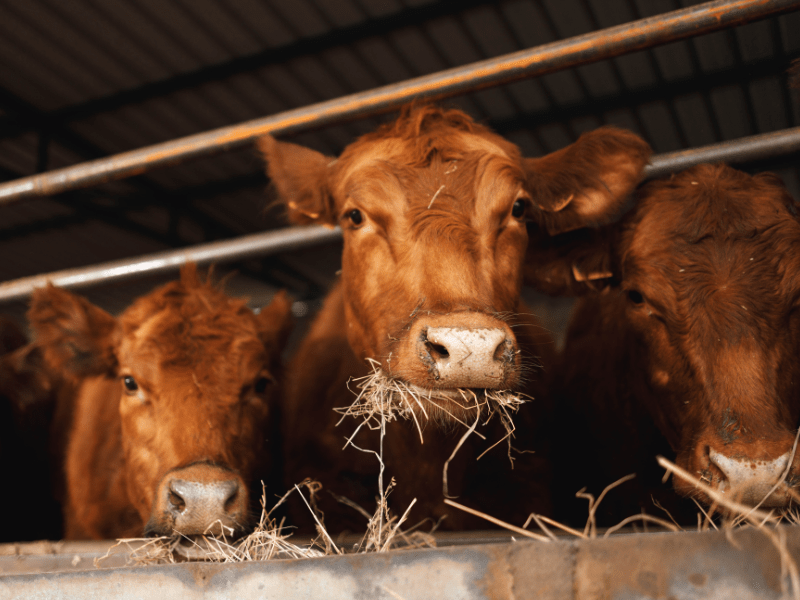
Feed biochar · EBC-FeedPlus
For feeding, bedding and silage. The strictest class, made only from untreated, purely plant-based biomass.
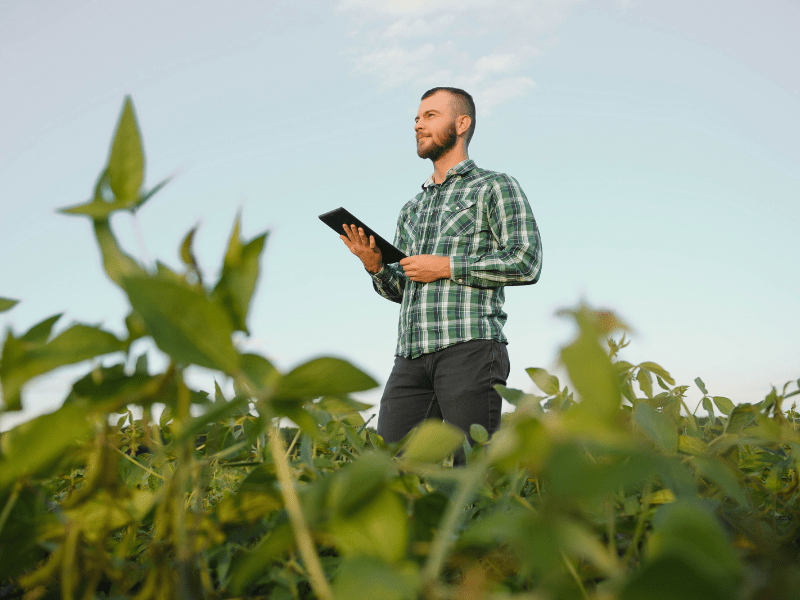
Organic agricultural biochar · EBC-AgroOrganic
For organic farms, organic substrates and composting plants, following the rules for organic farming.
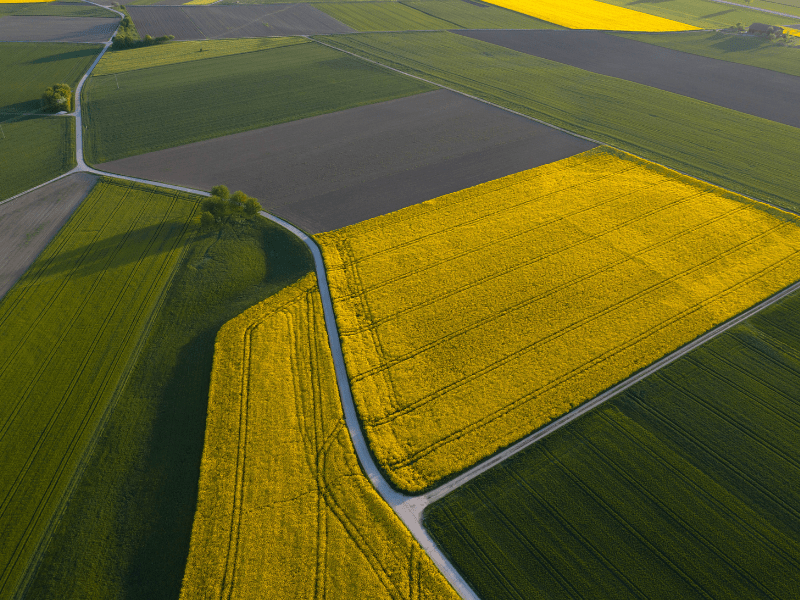
Agricultural biochar · EBC-Agro
For agriculture, soil production and horticulture, as a soil improver or substrate additive.
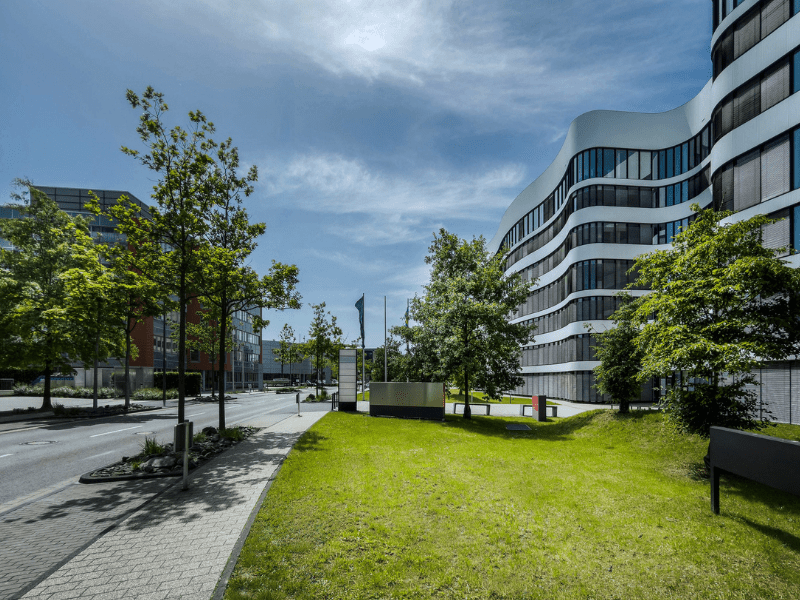
Urban biochar · EBC-Urban
For tree substrates, green spaces and recultivation, on land without food or feed production.
Material biochar · EBC-Materials
For products with consumer contact such as filters, textiles, plastics and building materials.
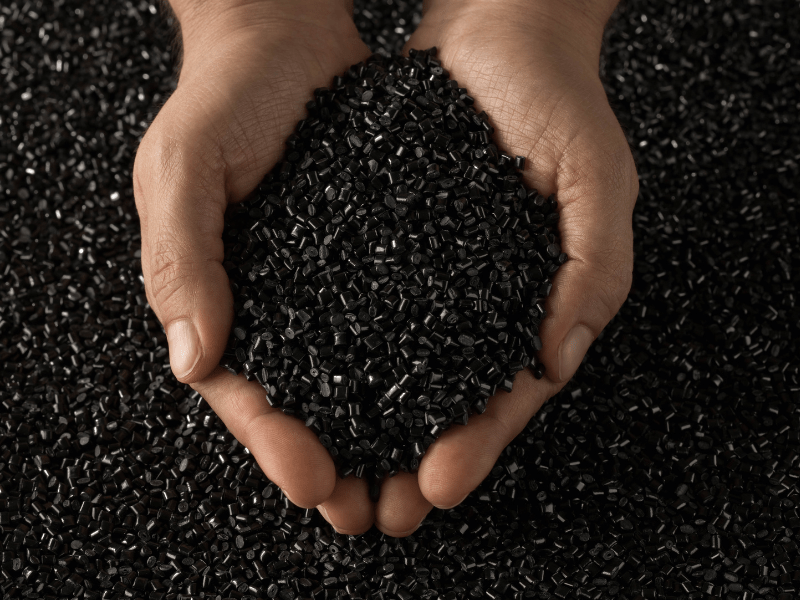
Industrial biochar · EBC-Basic
For industrial processing, for example in compounds, building materials and metallurgy. Not for soil or agricultural use.
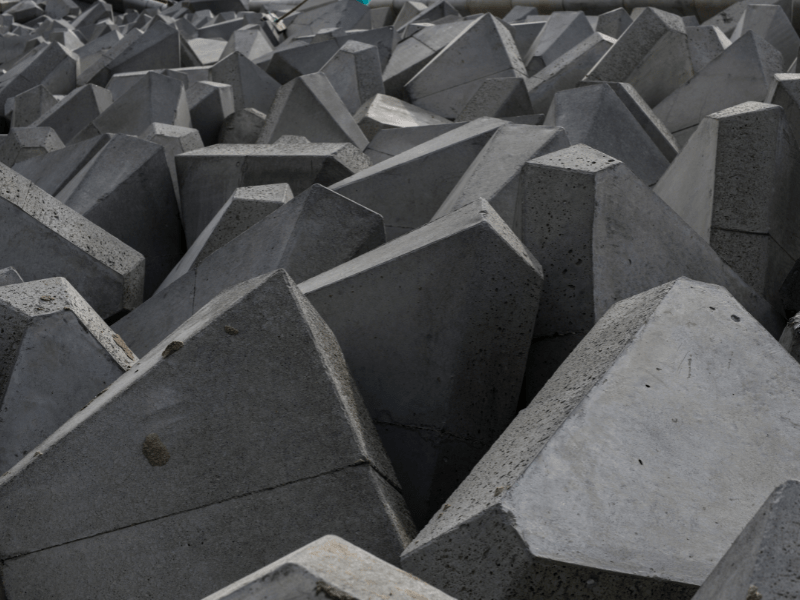
Which class do you need?
We clarify the application and requirements with you and define the specification together. You receive analysis values with the offer.
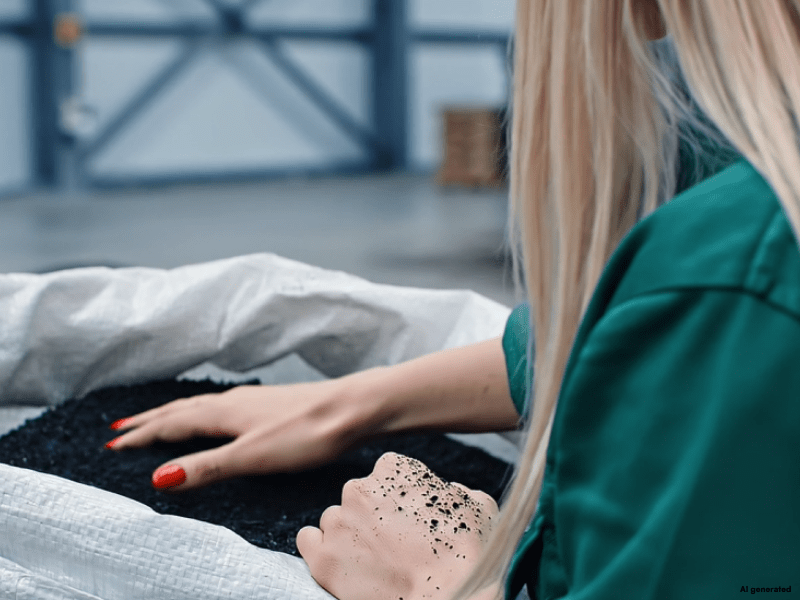
Carbon sink
Certificates from biochar
Plants absorb CO₂ from the air as they grow. In pyrolysis, a large share of this carbon is bound stably in the biochar. Depending on its carbon content, one tonne of biochar binds up to around 3 tonnes of CO₂ equivalent.
If the biochar is used permanently and its whereabouts are documented, this binding can be certified as a carbon sink. This requires a recognised standard, verification by an independent body and registration of the certificates in a registry.
What we take care of
- Product and certification package: product definition, quality assurance, preparation of certification, traceability and documentation
- Marketing of issued, registered certificates on your behalf
- Purchase of issued, registered certificates at an agreed price
The bound carbon remains measurable in the product. This provides a sound basis for reporting on Scope 3 emissions and for your decarbonisation strategy.
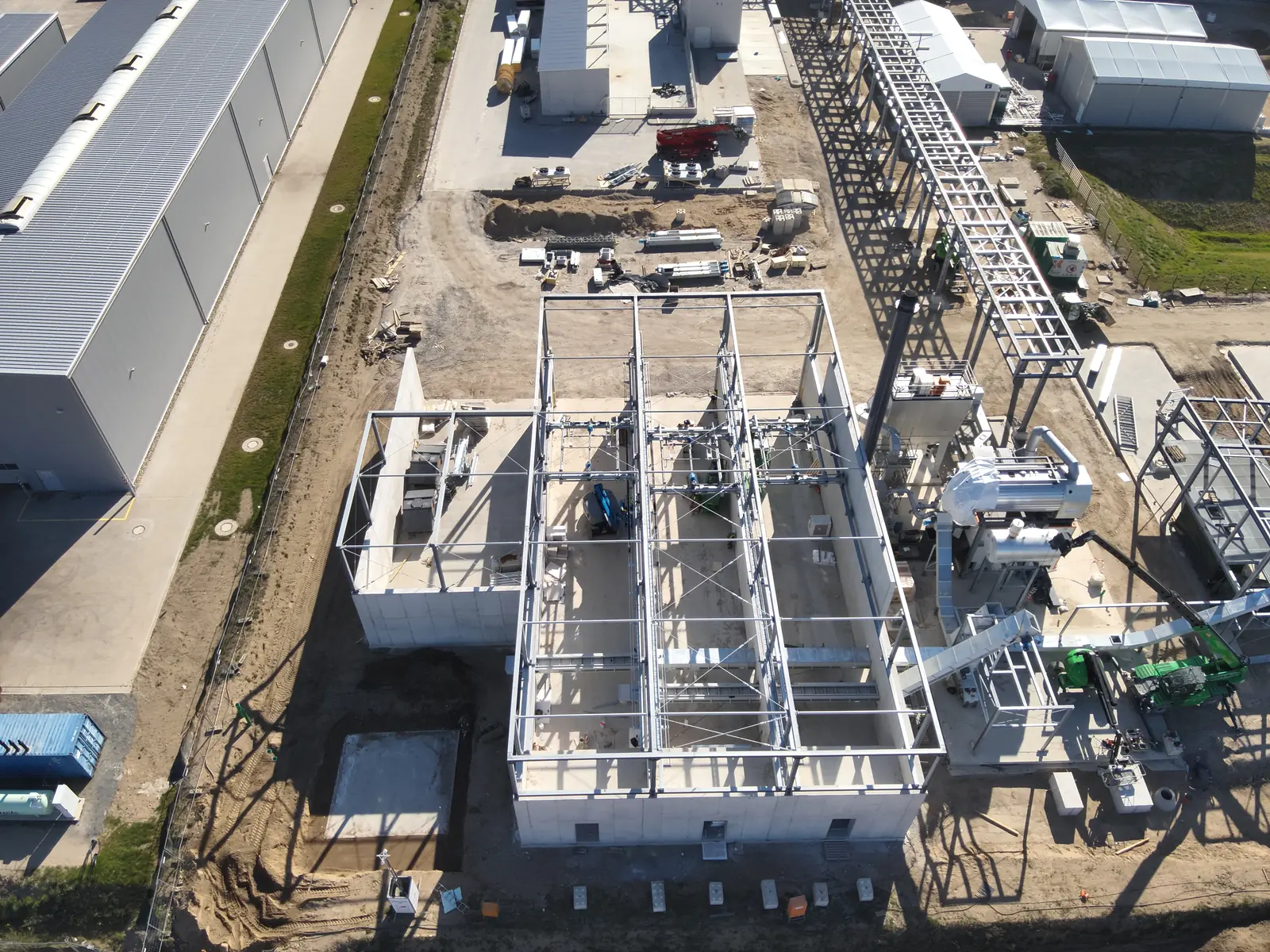
Reference
Three Pyro-ClinX for an industrial site
Three Pyro-ClinX 150 are being built at an industrial site in Mecklenburg-Western Pomerania. They produce power and heat for the site from industrial wood residues, plus biochar. The topping-out ceremony took place in July 2026, and commissioning is planned for 2026.
FAQ
Frequently asked questions about biochar
01 What is biochar?
Biochar is a carbon-rich material made by pyrolysis from biogenic residues. The carbon that the plants previously absorbed from the air is converted into a stable form.
02 What is biochar used for?
As a soil improver and substrate additive, as feed biochar and bedding, in tree substrates following the sponge city principle, as an additive in concrete, asphalt and plastics, and as a filter and adsorption medium.
03 Is your biochar EBC certified?
We produce to the requirements of the European Biochar Certificate (EBC). Certification takes place per production site. The class achieved depends on the residue used. You receive the current status and analysis values with the offer.
04 How much does biochar cost per tonne?
The price depends on EBC class, grain size, processing and quantity. We quote prices on request and agree fixed allocations for annual quantities.
05 How long does biochar store carbon?
The stable share of the carbon stays bound for centuries. What matters is the pyrolysis temperature and the ratio of hydrogen to organic carbon (H/Corg), which must be below 0.7 under the EBC.
06 How are carbon certificates created from biochar?
If biochar is used permanently and its whereabouts are documented, the carbon binding can be certified as a carbon sink under a recognised standard. An independent body verifies it, and the certificates are kept in a registry.
07 Can I produce biochar myself?
Yes. With the Pyro-ClinX pyrolysis plant you produce around 75 kg of biochar per hour, along with 150 kW of electricity (gross) and up to 450 kW of heat. You can use your own wood residues for this.
08 Does pyropower take my biochar?
Yes. For operators of a Pyro-ClinX there are two routes: we market the biochar on your behalf or buy it at an agreed price. Conditions on request.
09 What does biochar have to do with Terra Preta?
Terra Preta is a very fertile black earth from the Amazon basin. Its fertility is largely due to biochar worked into the soil. The principle is a model for today’s soil applications.
Available from early December 2026
Our biochar comes from Pyro-ClinX plants developed for continuous industrial operation. Tell us the application and annual quantity, and we will get back to you with an offer.
Arrange a call info@pyro-power.com
  +49 355 866 870 82
  pyropower GmbH