
Carbon Removal with Energy Generation: Three Routes Compared
22.10.2026
Carbon Removal with Energy Generation: Three Routes Compared
If you want to remove CO₂ from the atmosphere and generate energy at your own site at the same time, you face a strategic decision. The range extends from Direct Air Capture (DAC) through bioenergy with carbon capture and storage (BECCS) to pyrolysis with combined heat and power.
This article compares the three technology families by energy balance, infrastructure requirements and revenue streams. It shows what industrial companies and municipal utilities should look out for when choosing.

Lucie Töpfer
Managing Director, pyropower GmbH

Key points at a glance
- Three technology families combine CO₂ removal with energy: pyrolysis CHP, Direct Air Capture and BECCS.
- Pyrolysis CHP and BECCS deliver power and heat. Direct Air Capture consumes energy instead of providing it.
- BECCS and DAC need infrastructure for transporting CO₂ and storing it geologically. Pyrolysis binds the carbon in biochar, which is produced on site.
- For sites with woody residues and year-round heat demand, pyrolysis CHP is the easiest route to implement today.
- You can use and market biochar and CO₂ certificates yourself. If required, we take care of the offtake.
What carbon removal means
Climate protection has two levers. The first is avoiding emissions: less fossil energy, more efficient processes, heat from residues instead of natural gas. The second is taking CO₂ back out of the atmosphere and storing it permanently. This second lever is called carbon removal or carbon dioxide removal (CDR).
Both levers complement each other. Even with ambitious avoidance, residual emissions remain, for example from agriculture, cement production or parts of industry. In its scenarios, the Intergovernmental Panel on Climate Change (IPCC) assumes that such residual emissions must be balanced by CO₂ removals if net zero is to be reached.
Three questions arise for every process: is the CO₂ actually taken out of the atmosphere? How long does it remain stored? And can the quantity be measured and verified reliably? The three routes discussed in this article must also be measured against these questions.
Pyrolysis with combined heat and power
In pyrolysis, biomass is heated in the absence of oxygen. This produces biochar and pyrolysis gas. The biochar binds part of the carbon over the long term. The energy of the gas is converted into power and heat.
The Pyro-ClinX 150 uses an externally fired micro gas turbine for this. The pyrolysis gas is oxidised flamelessly in the FLOX burner at up to 1,200 °C. Via a high-temperature heat exchanger, the energy is transferred to clean, compressed air that drives the turbine. The turbine never comes into contact with the pyrolysis gas. It runs on air bearings and without lubricating oil.
From around 315 kg of wood chips per hour, one plant generates 150 kW of power gross, max. 450 kW of heat and around 75 kg of biochar. At 8,000 operating hours, the carbon bound in the biochar corresponds arithmetically to around 1,720 t of CO₂ equivalent per year, without a life cycle assessment. Which EBC class the biochar achieves depends on the residue used.
Pyrolysis CHP operates decentrally and provides base load, independent of weather and time of day. This makes it suitable as a predictable basis for the energy supply at a site.
Direct Air Capture (DAC)
DAC plants filter CO₂ directly from the ambient air using chemical sorbents. The captured gas is stored underground in geological formations or processed industrially.
The technology needs a lot of energy, mainly heat and power. Because CO₂ is present in the air only in low concentration, the effort per tonne is considerably higher than with biomass-based processes. DAC does not deliver usable energy; it consumes it.
For sites without access to biomass, DAC can be a complement. It is not suitable as the basis for your own energy supply. Many processes are also still at an early stage of scaling.
Bioenergy with carbon capture and storage (BECCS)
BECCS plants burn biomass to generate energy and capture the resulting CO₂ from the flue gas. The gas is transported by pipeline or ship to geological storage sites and stored there. In this way BECCS combines energy generation and CO₂ storage.
The central limitation is infrastructure. BECCS requires a functioning chain for transporting and storing CO₂, which is still being built in most regions of Europe. Most projects are large plants with high capital requirements. For medium-sized companies and smaller sites, BECCS is therefore difficult to implement today.
How long the carbon remains stored
With DAC and BECCS, the captured CO₂ is compressed and injected into deep geological formations, for example depleted natural gas fields or saline aquifers. Well-chosen storage sites hold the gas for very long periods. This requires transport, injection and monitoring of the storage site over decades.
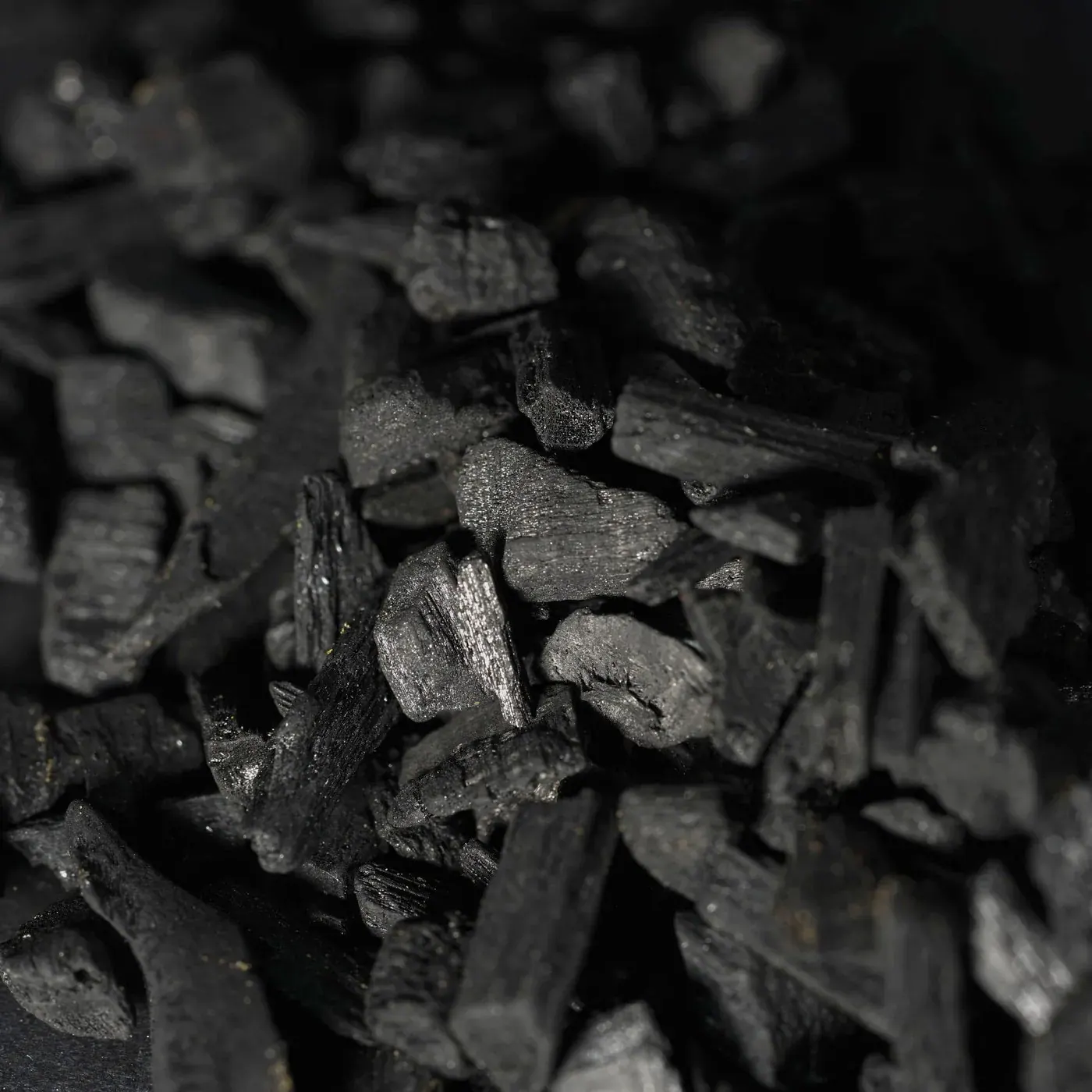
In pyrolysis, the carbon is in solid form. Biochar consists largely of stable aromatic carbon compounds that microorganisms hardly break down. How persistent a batch is can be determined in the lab, among other things via the ratio of hydrogen to organic carbon (H/Corg). The lower this value, the more stable the char.
The application also counts. In soils, growing media or building materials such as concrete and asphalt, the carbon remains bound. If the char is used as fuel, on the other hand, no sink is created. That is why certification systems track the path of the char through to its application.
CO₂ certificates: how bound carbon becomes revenue
Permanent CO₂ removal can be certified and sold as a certificate. Buyers are mostly companies that want to offset residual emissions or secure their own climate targets. Established standards exist for biochar, for example C-Sink under the rules of the European Biochar Certificate or the Puro.earth methodology.
The path to the certificate follows a similar pattern under all standards: production is monitored, the char is sampled and analysed, and its application is documented. An independent body verifies the information. Only then are certificates issued and recorded in a registry.
At European level, the EU created uniform rules in 2024 with the regulation establishing a certification framework for carbon removals (CRCF). The methods for individual processes, including biochar, DAC and BECCS, are being defined step by step. For operators this means: the market is becoming more binding, and well-documented projects have an advantage.
You decide whether to organise certification and marketing yourself or hand them over. If required, we take care of both, from preparing the certification to selling the issued certificates.
How the market for pyrolysis is developing in Europe
The number of pyrolysis plants in Europe rose from around 20 to over 200 between 2015 and 2024. A study by the Institute for Ecological Economy Research examined 39 plants with energy recovery in Germany, Austria and Switzerland and distinguished four business models: integrated biomass processors, energy users, energy suppliers and specialised operators (Orlowski et al., IÖW, 2026).
One finding of the study: biochar and power are rarely put in the foreground at the same time. Those who see power as the main product often treat biochar as a by-product, and vice versa. The Pyro-ClinX is designed to deliver both: power, heat, biochar and CO₂ certificates from one process.
In pyrolysis, CO₂ removal is not a separate project but part of energy generation. The site gets power and heat, and part of the carbon leaves the plant as biochar.
Lucie TöpferManaging Director, pyropower GmbH
The three routes compared
| Criterion | Pyrolysis CHP (e.g. Pyro-ClinX) | Direct Air Capture | BECCS |
|---|---|---|---|
| Energy | delivers power and heat | consumes power and heat | delivers power and heat |
| Decentralised operation | yes | yes | mostly no, CO₂ transport required |
| Form of storage | carbon in biochar, usable as a material | CO₂ in geological storage | CO₂ in geological storage |
| Revenue streams | power, heat, biochar, CO₂ certificates | CO₂ certificates | power, heat, CO₂ certificates |
| Typical size | from 150 kW electrical, modular | varies widely | mostly large plants |
| State of the art | commercially available | early scaling phase | first large-scale projects |
| Storage duration | long, depending on char stability and application | very long with suitable geological storage | very long with suitable geological storage |
| Certification | established standards, e.g. C-Sink or Puro.earth | standards and methods under development | standards and methods under development |
How a pyrolysis project works
1. Initial consultation. We clarify which residues are available, how much power and heat you need and what goals you are pursuing. The consultation is free of charge.
2. Pre-project phase. We examine fuel, site, grid connection and heat offtake and calculate the economic viability for your case. The result is a sound basis for your decision.
3. Permitting and planning. We support you with the permit documents and plan the integration into your existing energy supply.
4. Construction and commissioning. We manufacture the core plant, install it and put it into operation. A performance test concludes this phase.
5. Operation. The plant runs fully automatically with remote monitoring, and you run it yourself. If required, we take over operation as well as the offtake of biochar and CO₂ certificates.
Three guiding questions for the choice
- Do you have access to woody residues? Wood residues, sawmill by-products or landscape maintenance material make pyrolysis CHP the direct route from disposal to your own energy.
- Do you need base-load energy? Pyrolysis CHP is designed for around 8,000 operating hours a year and runs fully automatically with remote monitoring.
- Is there infrastructure for CO₂ transport and storage? Without it, BECCS and many DAC concepts are ruled out. Pyrolysis binds the carbon in biochar, which is used as a soil improver, in construction or as a filter material.
Conclusion: where pyrolysis CHP has its strengths
Pyrolysis CHP combines CO₂ removal with value creation at the site. DAC consumes energy, BECCS depends on external infrastructure. A plant such as the Pyro-ClinX, by contrast, produces four products from one process.
For industrial companies and municipal utilities this means: predictable energy, additional revenue from biochar and CO₂ certificates and a solution that works without a pipeline. Several plants can be combined at one site. In the initial consultation we clarify demand, fuel and site. The consultation is free of charge.
Frequently asked questions
What is meant by carbon removal with energy generation?
This refers to processes that remove CO₂ from the atmosphere while providing usable energy. Pyrolysis CHP is one example: it converts woody residues into power, heat and biochar.
How does pyrolysis CHP differ from Direct Air Capture?
Pyrolysis CHP uses biomass as its carbon source and generates energy in the process. DAC takes CO₂ from the ambient air and needs considerable amounts of energy to do so.
Which industries is pyrolysis CHP suitable for?
Above all for the wood industry and sawmills, municipal utilities and industrial companies with process heat demand. In the pre-project phase we check whether it suits your site.
What role does biochar play in binding CO₂?
Biochar binds carbon in a stable form. It is used in agriculture, in growing media or in building materials. Which EBC class is achieved depends on the residue. If required, we handle certification and marketing of the CO₂ certificates.
How long does the carbon stay bound in the biochar?
That depends on the stability of the char and on its application. A low ratio of hydrogen to organic carbon indicates a very persistent char. The certification standards define which share is credited as permanently stored.
Do I have to market biochar and CO₂ certificates myself?
No, but you can. You use the char yourself, sell it through your own channels or pass it on to us if needed. Offtake by pyropower is an offer, not a requirement.
How proven is the technology?
The externally fired micro gas turbine has been developed within our group of companies since 2012. More than 100 energy projects have been realised within the group.
How does the externally fired micro gas turbine work?
The pyrolysis gas is oxidised flamelessly in the FLOX burner. The energy is transferred via a high-temperature heat exchanger to clean, compressed air that drives the turbine. The turbine never comes into contact with the pyrolysis gas.
Download
Pyro-ClinX product brochure
Technical data, feedstocks, products and the course of a project at a glance (PDF).
Download brochure (PDF, German)
 info@pyro-power.com
 +49 355 866 870 82
 pyropower GmbH