
Power generation in Darmstadt: ClinX Heat uses the flue gas of a carbonisation plant
23.06.2026
Power generation in Darmstadt: ClinX Heat uses the flue gas of a carbonisation plant
Key facts in brief
- In Darmstadt, a ClinX Heat generates power from the hot flue gas of an existing carbonisation plant for woody biomass.
- The client is the general contractor of the carbonisation plant. pyropower supplied the power generation stage; the carbonisation plant itself is not from pyropower.
- Output: 150 kW electrical gross, 130 kW net, plus usable process heat.
- A custom high-temperature heat exchanger with around 900 kW thermal transfers the heat to the plant.
- The plant is in operation. Details on the Darmstadt project page.

Sebastian Kießling
Managing Director Technology, pyropower GmbH

Hot flue gas as an energy source
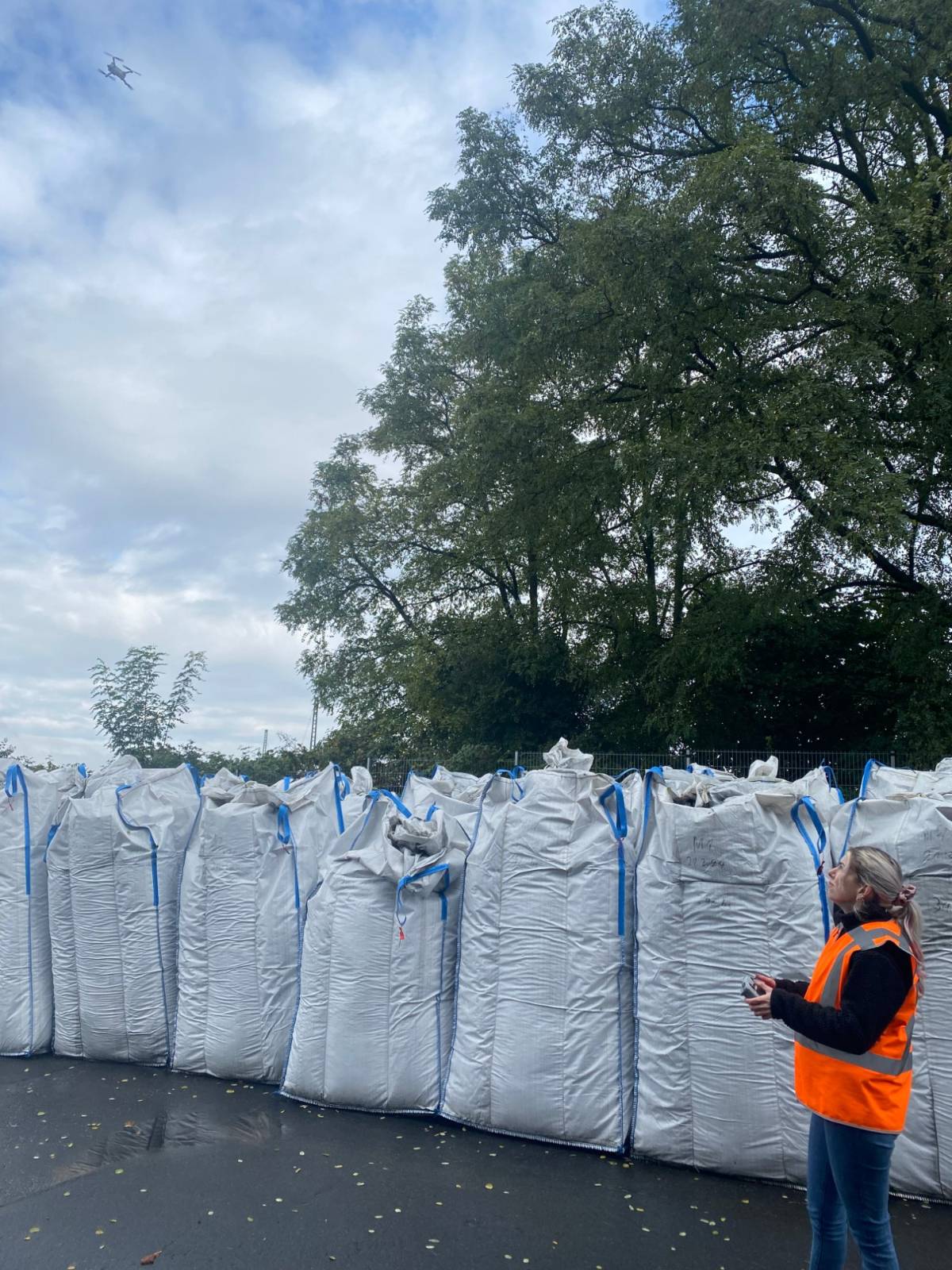
The carbonisation of wood produces hot flue gas. Without further use, its heat leaves the process via the chimney. At the site in Darmstadt, things were to be different: the general contractor of an industrial carbonisation plant for woody biomass wanted to extend the existing thermal process with an additional energy recovery stage. The aim was to generate power on site and increase overall efficiency.
For the general contractor, this has a clear advantage: the carbonisation plant already existed, and power generation opens up additional revenue from the same heat. Instead of simply cooling the flue gas heat, it is first used to generate power, after which the residual heat remains available.
The solution is power generation with ClinX Heat. The plant connects to the existing hot gas flow without intervening in the main process. The ClinX Heat in Darmstadt project page shows pictures of the plant on site.
Our video documentary shows the plant in Darmstadt: biochar and power from green waste.
Clicking loads the video from YouTube. Data will be transferred to Google.
How the ClinX Heat works on site
The flue gas from the carbonisation plant flows through a high-temperature heat exchanger designed specifically for this site. It has a thermal output of around 900 kW. On the other side of the heat exchanger, clean, compressed air is heated. This air drives the externally fired Micro gas turbine . A generator produces up to 150 kW electrical output gross, with 130 kW available net.
The decisive point is the separation of the media. The turbine never comes into contact with the flue gas; it is operated exclusively with heated air. This is why demanding process gases can also be used. The turbine exhaust is recuperated, and the residual heat is available as process heat. The carbonisation itself continues unchanged. The principle corresponds to that of the Pyro-ClinX, except that the heat here comes from an existing process.
Requirements for power generation from waste heat
Not all waste heat is suitable for a micro gas turbine. The following guide values apply to the ClinX Heat 150:
- heat source temperature of around 900 to 1,000 °C
- at least 750 kW thermal output in continuous operation
- dust content below 10 mg/m³; higher values can be handled with upstream filters, which are included in the project planning
If these conditions are met, the plant delivers 450 kW of heat at 90/70 °C in nominal operation. At 8,000 operating hours, the data sheet gives around 1,040 MWh of net power per year. The ClinX Heat is housed in a 40-foot container, works fully automatically and needs no additional fuel. If required, an ORC unit can be added downstream.
Transferable to many high-temperature processes
The Darmstadt principle can be transferred to other industries. Processes with continuously hot exhaust gas are suitable, for example glass, ceramic and brick kilns, metalworking and foundries, cement and lime kilns, sludge drying or waste incineration. Pyrolysis and carbonisation plants from other manufacturers are also an option, as another power generation project at a biochar producer shows.
It always starts with an assessment of the waste heat potential: temperature, output, dust content and possible heat consumers. This shows whether power generation is technically and economically viable. Our article compares the technologies for different temperature levels: Power from waste heat.
- ClinX Heat power generation in Darmstadt: project page with pictures
- ClinX Heat: power and heat from industrial waste heat
- ClinX Heat 150 at a pyrolysis plant: another power generation project
- Industry and process heat: fields of application at a glance
- Power from waste heat: technologies compared
Download
Brochure and data sheet Pyro-ClinX
Technical data, feedstocks, products and the course of a project at a glance (PDF).
Download brochure (PDF)

 info@pyro-power.com
 +49 355 866 870 82
 pyropower GmbH