
Biochar for Businesses: Applications, Quality and Sourcing
01.10.2026
Biochar for Businesses: Applications, Quality and Sourcing
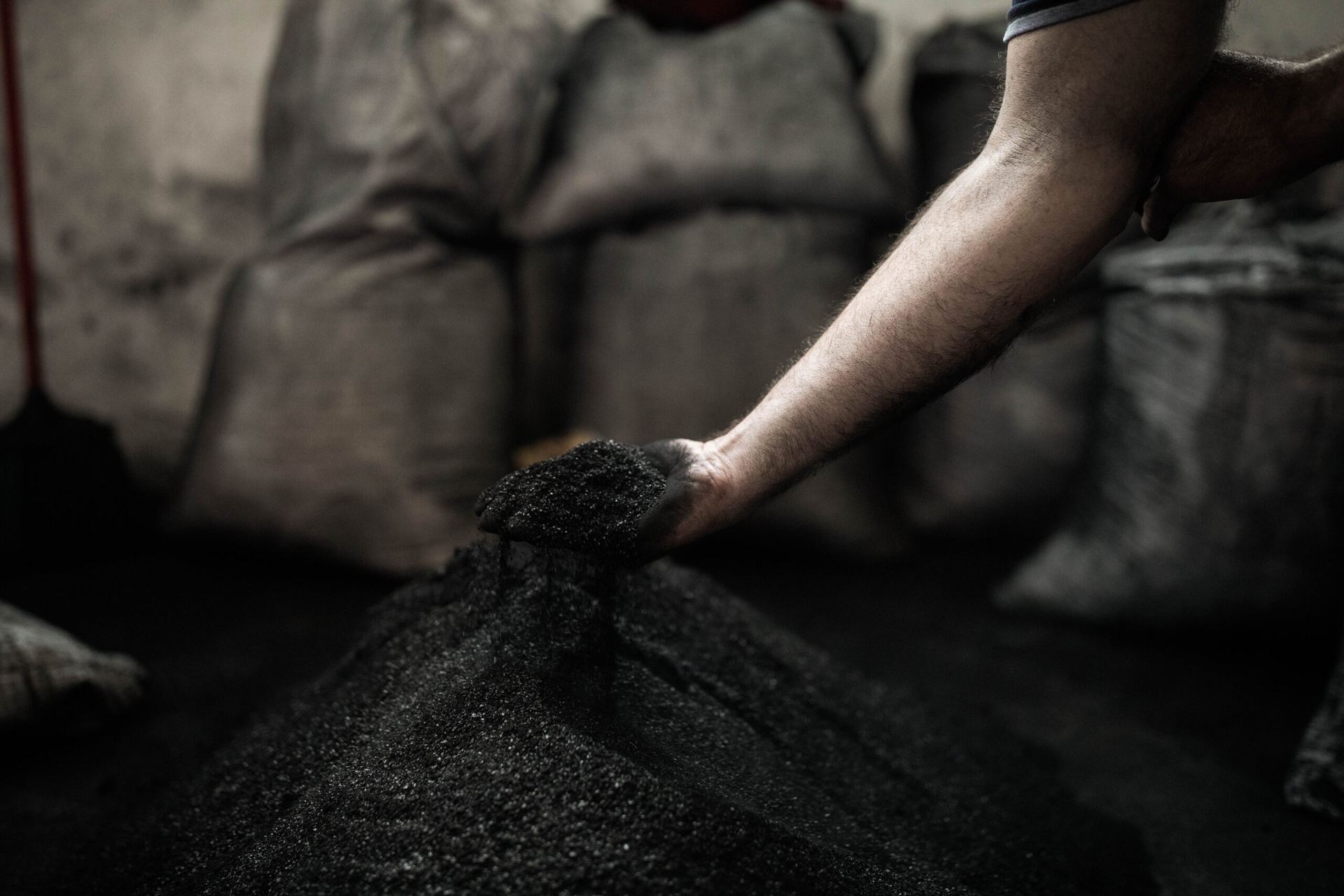
Biochar is a raw material with many buyers and few reliable suppliers. Building material manufacturers, agriculture, substrate producers, municipalities and industrial companies are asking for it, often with very different requirements regarding quality, volume and documentation. This article explains what businesses use biochar for, how to recognise quality, and how sourcing from pyropower works.

Lucie Töpfer
Managing Director, pyropower GmbH

Key facts
- Biochar is produced when biogenic residues are heated in the absence of oxygen. The carbon stays bound in the char instead of being released as CO₂.
- Quality is defined by the EBC standard. The class a biochar reaches depends on the feedstock; pyropower can produce all classes, including Feed.
- Per tonne of biochar, around 3 t of CO₂ equivalent can be verified as permanently stored under the EBC/C-Sink methodology, excluding the life-cycle assessment of the upstream chain. This is the basis for CO₂ certificates.
- pyropower supplies biochar from its own Pyro-ClinX plants starting December 2026.
What businesses use biochar for
In construction, biochar is used as an additive in concrete, asphalt and plaster. It replaces part of the mineral aggregates and binds carbon in the component for as long as the component exists. Manufacturers of precast concrete and building materials use this for products with verified carbon storage.
In agriculture and livestock farming, biochar serves as a feed additive, bedding and soil amendment. It stores water and nutrients in the soil and reduces odour in barns. The relevant classes here are EBC-Feed and EBC-Agro.
Substrate producers, municipal nurseries and public works departments use biochar to replace peat and improve tree substrates for urban trees. In industry, it is used as a filter material and carrier substance.
Companies that want to improve their emissions balance also use biochar as a verifiable carbon sink: the stored amount is certified under the C-Sink methodology and can be reported.
How to recognise quality: the EBC standard
The European Biochar Certificate (EBC) defines the requirements biochar must meet for each application: carbon content, pollutant limits, origin of the biomass and documentation of the production process. The classes range from EBC-Basic to EBC-Agro and EBC-Feed, which has the strictest requirements.
The class a biochar reaches depends on the feedstock. Untreated wood generally reaches the highest classes, residues with foreign matter the lower ones. pyropower biochar complies with the EBC standard; which class you receive is agreed based on your intended use and the available feedstock. Every delivery comes with analytical data.
How pyropower biochar is produced
The biochar is produced in the Pyro-ClinX system, a pyrolysis CHP unit that generates electricity, heat and biochar from biogenic residues at the same time. The residues are heated in the absence of oxygen. Around one fifth to one quarter of the dry matter remains as char, while the pyrolysis gas delivers electricity and process heat via a FLOX burner and an externally fired micro gas turbine. One unit produces around 75 kg of biochar per hour, roughly 600 t per year at 8,000 operating hours.
This process is the basis for traceability: biomass origin, temperature profile and residence time are documented, and every batch can be traced. This is a prerequisite for EBC compliance and C-Sink certification.
For us, biochar is not a by-product but a product with its own quality assurance. Origin, temperature profile and residence time are documented for every batch.
Sebastian KießlingManaging Director Technology, pyropower GmbH
CO₂ certificates from biochar
The carbon in biochar remains bound for centuries when the char is applied to soil or incorporated into building materials. Under the EBC/C-Sink methodology, this storage can be calculated and certified: around 3 t of CO₂ equivalent per tonne of biochar, excluding the life-cycle assessment of the upstream chain. This results in tradable certificates that companies use for their reporting.
Since 2026, the EU CRCF framework provides a dedicated certification methodology for carbon removal through biochar. For buyers, this means better comparability and higher requirements for verification. Biochar and certificates are usually traded separately but can also be sourced together.
Sourcing: what matters in delivery
Anyone using biochar regularly needs three things from a supplier: analytical data for every batch, proof of origin for the biomass, and reliable volumes on fixed dates. Deliveries are typically made loose or in big bags, with annual framework agreements for larger volumes. The EBC class is defined in advance according to the intended use so that analytics and documentation match the application. pyropower supplies on this basis starting December 2026.
Conclusion
Biochar is a reliable raw material for businesses when quality, origin and verification are right. The EBC standard makes this testable, and the C-Sink methodology makes carbon storage accountable. Anyone wanting to use or source biochar should first clarify the intended use and then select the appropriate class.
Frequently asked questions about biochar
What is the difference between biochar and charcoal?
Charcoal is produced as a fuel. Biochar is produced for use in soil, feed, building materials or industry, according to defined quality requirements and with documented origin. It is not burned.
How much biochar is produced from one tonne of biomass?
Around 200 to 250 kg, based on dry matter. The rest becomes pyrolysis gas, which is used as energy. The yield depends on feedstock, temperature and residence time.
Which EBC class do I need?
EBC-Feed for feed and bedding, EBC-Agro for agriculture and substrates, and for building materials and industrial applications usually EBC-Basic or EBC-Material.
Is biochar approved for use in concrete?
Biochar is used as an additive in concrete, asphalt and plaster. Approval depends on the product and the applicable standard. Building material manufacturers need the analytical data of the biochar used.
Can I buy the CO₂ certificates without the biochar?
Yes. Certificates and biochar are separate products. Anyone who only needs certified carbon storage for their reporting can source the certificates separately.
Can I have biochar produced from my own residues?
Yes. With your own Pyro-ClinX system, you produce biochar from your residues and can use it, market it or hand it over to pyropower.
Learn more
Biochar from pyropower
Qualities, applications and sourcing at a glance on our product page.
Go to biochar page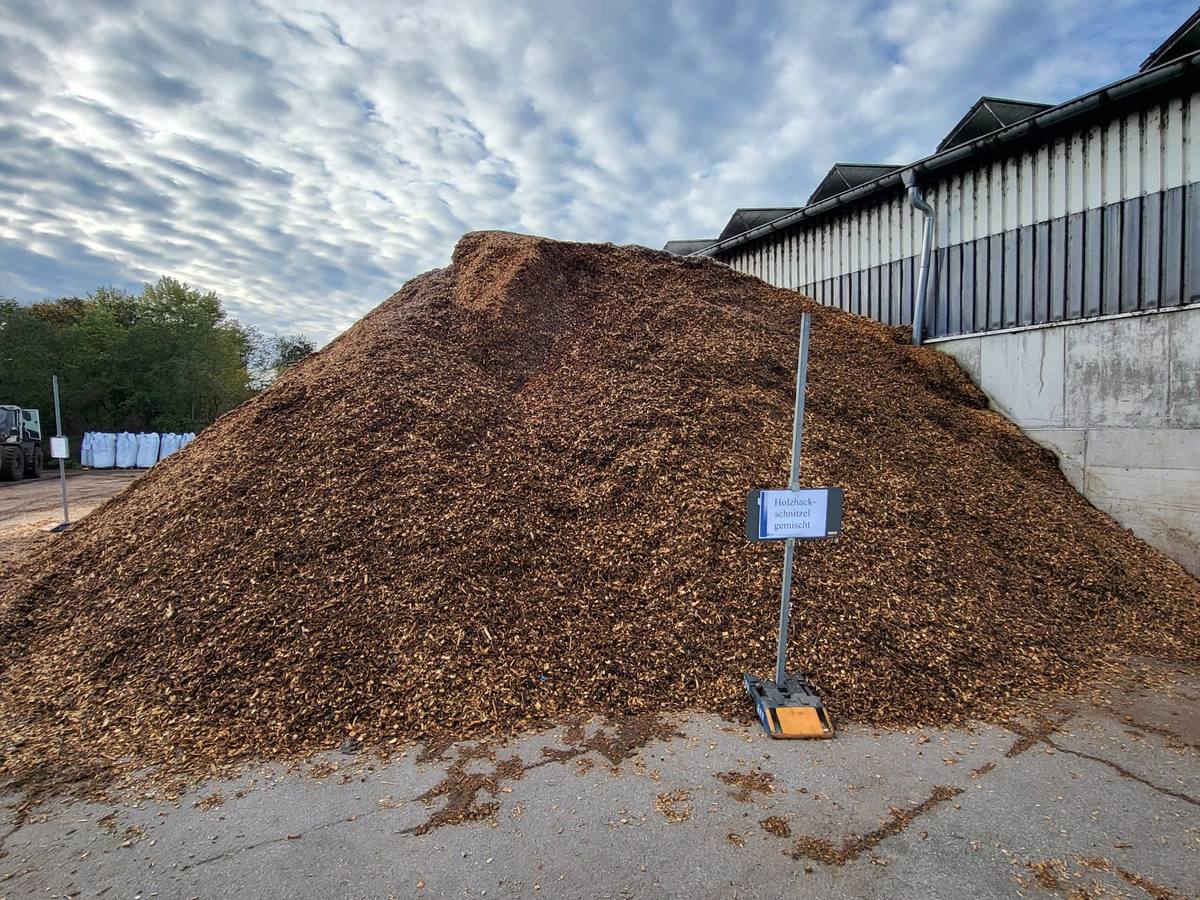
 info@pyro-power.com
  +49 355 866 870 82
  pyropower GmbH