
Environmental technology & industry
Filtration. Stabilisation. Emission binding.
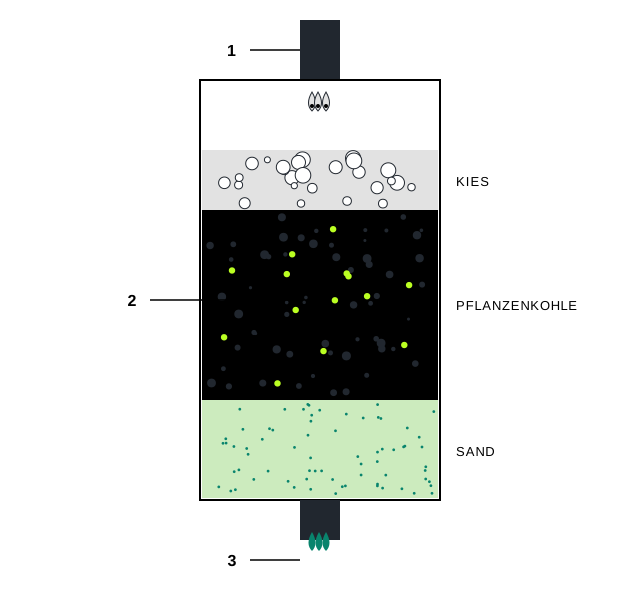
In the filter
A surface that works
In industrial applications, biochar is used for water and wastewater treatment, in filter systems and for binding odours and pollutants. Its pore network often offers more than a hundred square metres of internal surface per gram.
How well it works depends on the substance to be retained. For micropollutants in wastewater, the biochar is usually also activated. For rainwater, soils and exhaust air, non-activated biochar can also be suitable.
- 1InflowWater or air with dissolved substances flows into the filter.
- 2Binding in the poresSubstances attach to the internal surface of the biochar and remain there.
- 3ProcessThe treated medium leaves the filter. Spent biochar is replaced and recovered thermally.
Effect
What biochar does in technical processes
A large internal surface and a stable structure: these properties make biochar attractive for many technical processes.
What research shows
Biochar is not a cure-all, but in many processes it is a regional alternative. These figures come from pilot plants, field trials and meta-analyses.
91 %
average removal of 12 micropollutants with activated biochar in a pilot plant at a wastewater treatment plant in Luxembourg.
Source: Interreg project WOW!, 2023
85 to 97%
less dissolved PAHs in slightly contaminated soils after adding 3 to 6 percent biochar.
approx. 1/3
of the cost of excavation and landfill for immobilisation with biochar at a contaminated site in Austria.
Source: KOKOSAN II, guidance document
Wastewater
Regional instead of imported
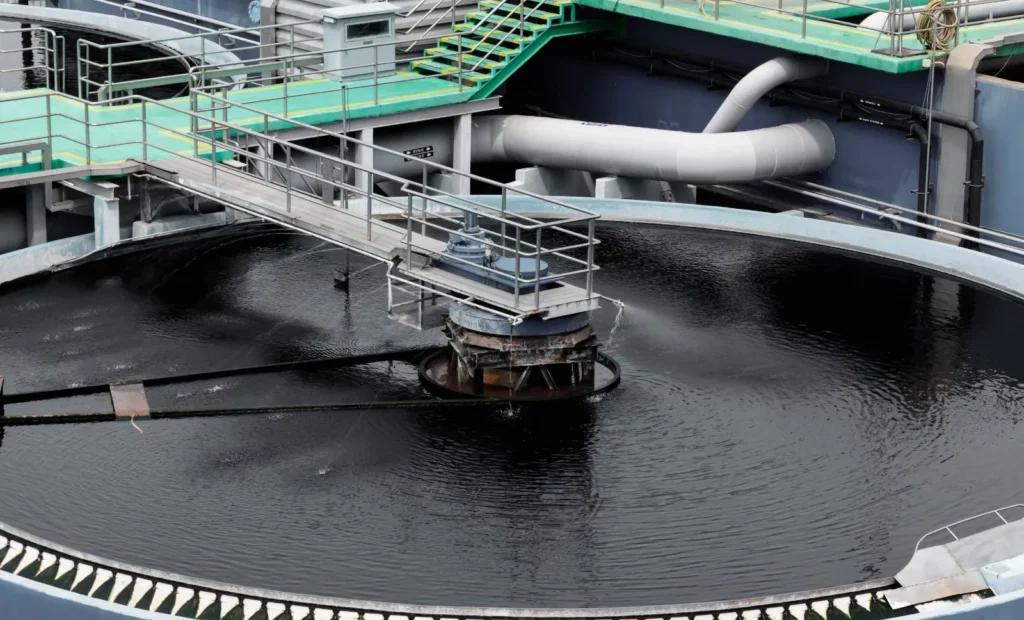
Under the new EU Urban Wastewater Treatment Directive, large treatment plants will gradually have to introduce a fourth treatment stage for micropollutants. Today, this mostly uses activated carbon from hard coal or coconut shells, often imported.
Projects such as CoAct at Lake Constance show that activated carbon from regional biomass can meet the requirements. A pyrolysis plant on site also supplies power, heat and the raw material for the biochar.
Fields of application
Where biochar works in industry and environmental technology
- 01Water filtration
- 02Wastewater treatment
- 03Air and odour filters
- 04Remediation of contaminated sites
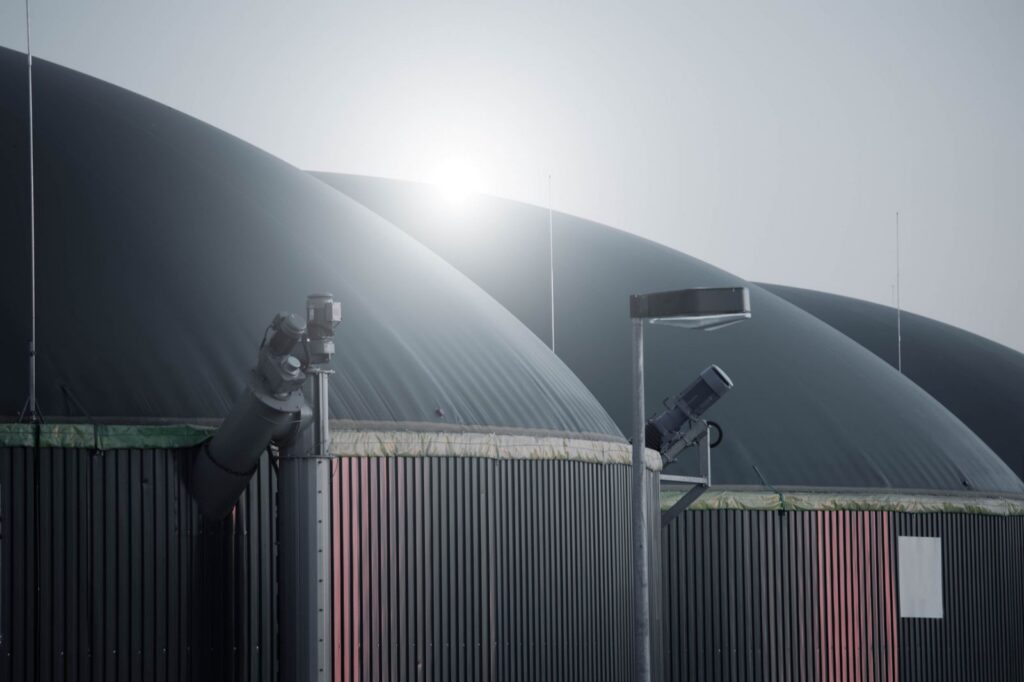
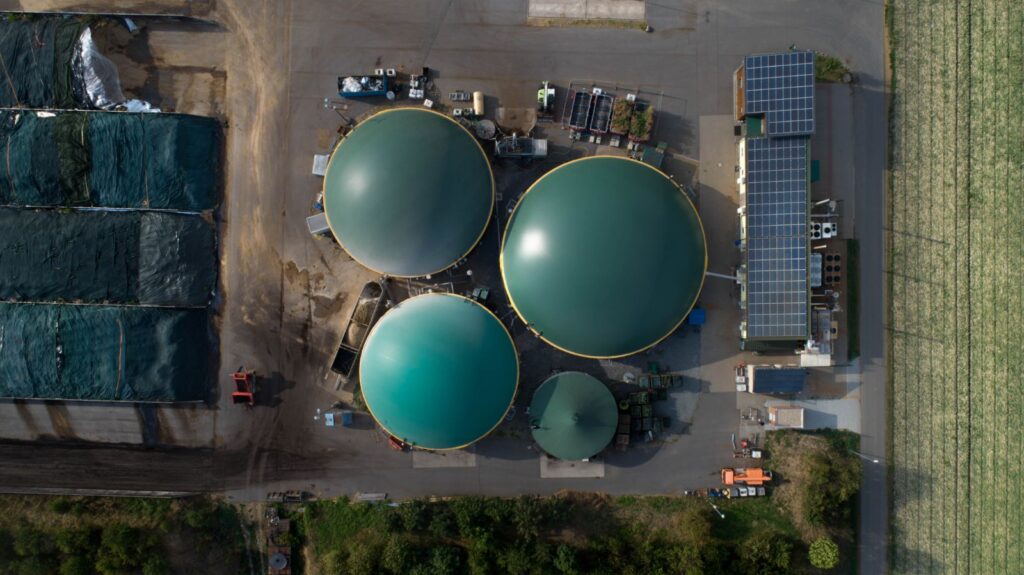
- 05Biogas plants
- 06Technical additives
Process
From trial to process
Technical applications need data. This is how we bring biochar into your process.
Describe the task
Which substance should be bound, which process stabilised? Quality and grain size follow from this.
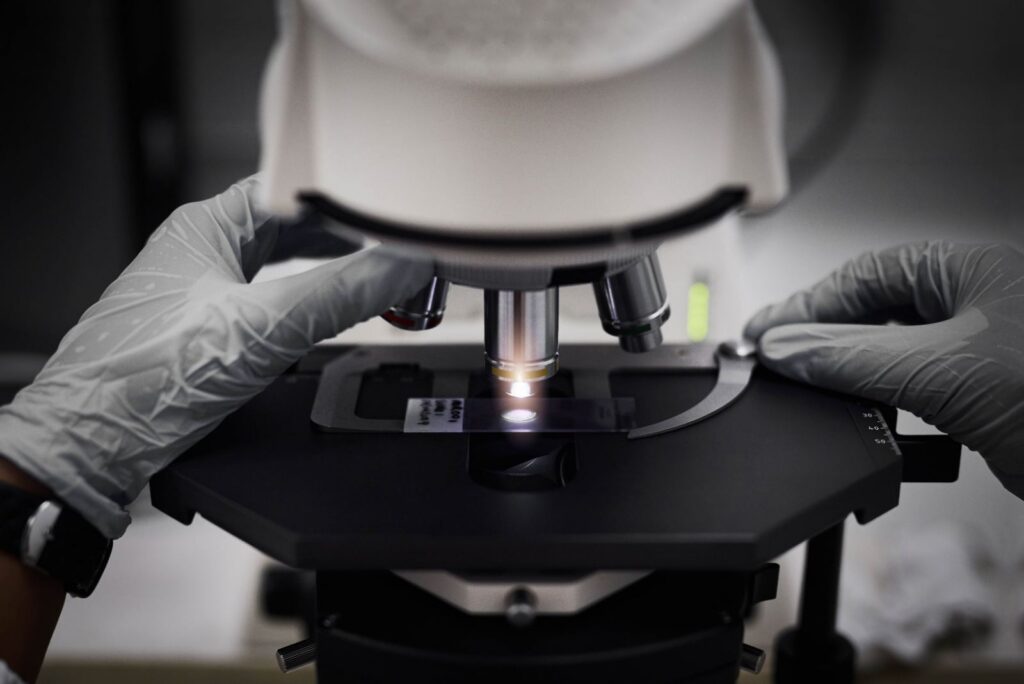
Laboratory test
With samples, you test absorption capacity and dosage, ideally in comparison with the material used so far.
Pilot operation
A pilot filter or a reference digester shows how the biochar works under real conditions.
Plan the cycle
Delivery, replacement interval and recovery of the spent biochar are considered from the start.
Systems
Part of industrial cycles
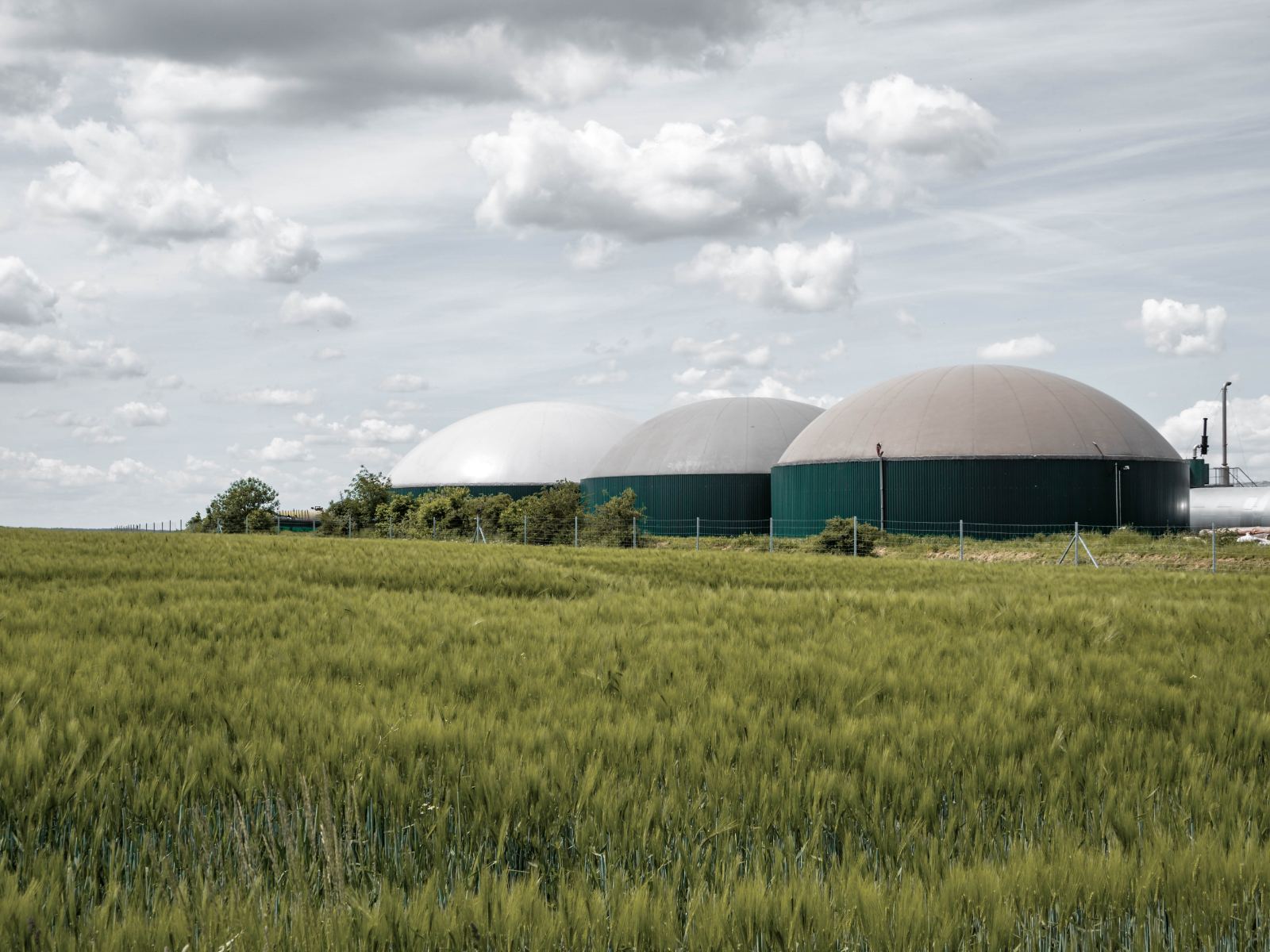
Biochar supports industrial circular models: residues become a material that keeps working in technical processes.
We supply biochar in big bags and as bulk material. If you have residues yourself, we will plan your own Pyro-ClinX with you.
Carbon as a long-term solution.
Our biochar is produced in Pyro-ClinX plants from woody residues. We produce it in line with the EBC standard, with documented raw material origin and regular laboratory analyses. This keeps the quality traceable from batch to batch.
Analyses and data sheets for your batch are available on request.
Frequently asked questions from industry and environmental technology
Can’t find your question? Write to us using the contact form.
Is biochar the same as activated carbon?
Not quite. Non-activated biochar has larger pores and a smaller internal surface than activated carbon. For micropollutants in wastewater, it is therefore usually activated. For rainwater, soils, exhaust air and as a process additive, on the other hand, it can be used directly and is usually more affordable than activated carbon.
Does biochar bring advantages in biogas plants?
Biochar can increase methane yield and stabilise the process, especially with nitrogen-rich substrates. It offers microorganisms a surface to settle on and buffers inhibitors such as ammonia. At the end, the biochar ends up in the digestate and continues to work on the field. This way you use the same biochar twice.
Can biochar help with contaminated sites?
Biochar can immobilise PAHs and heavy metals such as cadmium or lead in the soil, so that less of them reaches groundwater or plants. This is immobilisation, not removal. It requires a permit on a case-by-case basis as well as accompanying investigations. For such projects, we work together with your experts and supply material of consistent quality.
Can loaded filter biochar be disposed of or recovered?
Yes. Depending on its load, spent filter biochar is disposed of or recovered thermally. Which route fits depends on the substances absorbed. We plan the route of the biochar with you from the start so that operation and disposal fit together cleanly.
Does biochar remove micropollutants from wastewater?
For micropollutants such as pharmaceutical residues, activated biochar is usually required. Pilot plants with activated biochar have met the requirements in Luxembourg and at Lake Constance. This makes it a regional alternative to coal-based activated carbon. Talk to us about activation and a pilot trial.
Is biochar suitable for rainwater filters?
Yes. In rainwater filters and infiltration systems, non-activated biochar can also retain substances such as zinc or nitrogen. In line with the EBC standard, the EBC-Urban class exists for such applications. Especially for tree trenches and infiltration swales in cities, biochar is a simple addition to the substrate.
Does biochar bind odours in exhaust air?
In a pilot plant for barn exhaust air, many odorous substances fell below the detection limit. Humid air even improved absorption. For exhaust air filters, we therefore recommend pilot operation with humidity control to determine the right bed height and service life for your plant.
Can we produce biochar ourselves on site?
If you have woody residues yourself, a Pyro-ClinX on site can supply power, heat and biochar for your process. This way you recover your residues, cover part of your energy demand and produce the material for your application yourself. We will check with you whether this pays off for your site.
Knowledge
Expert articles on industry and environmental technology


Biochar for your process
Are you looking for a filter or additive material for your process? We will provide you with samples and data.