
Our technology at a glance
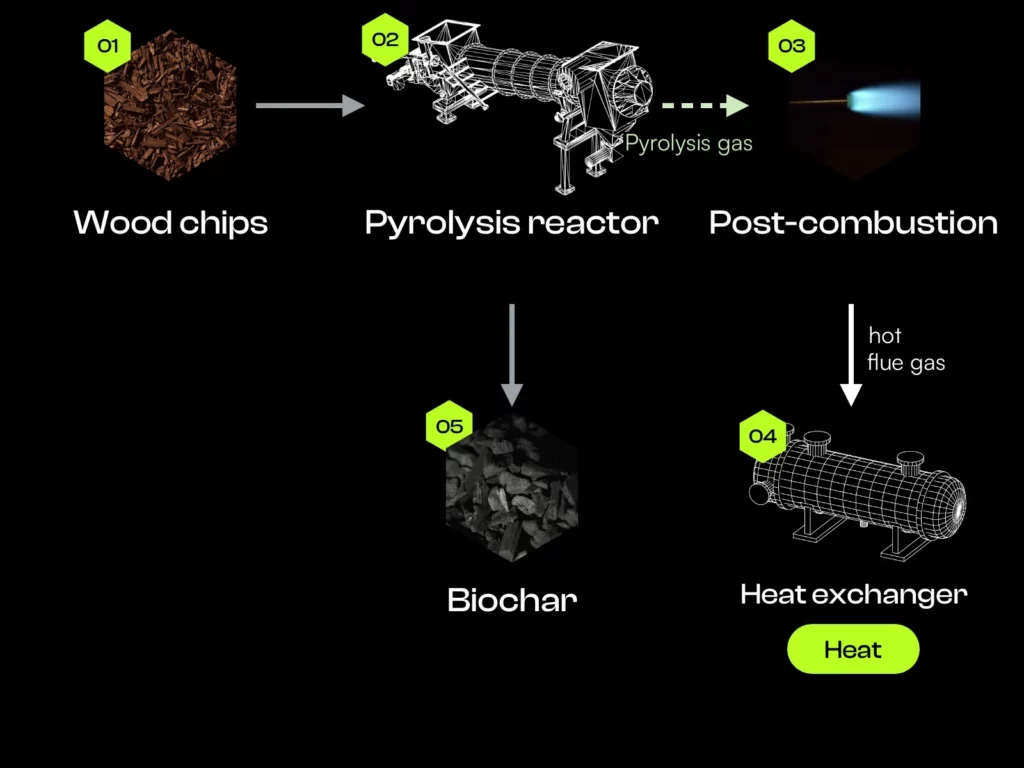
Pyrolysis and an externally fired micro gas turbine, combined to suit the task.
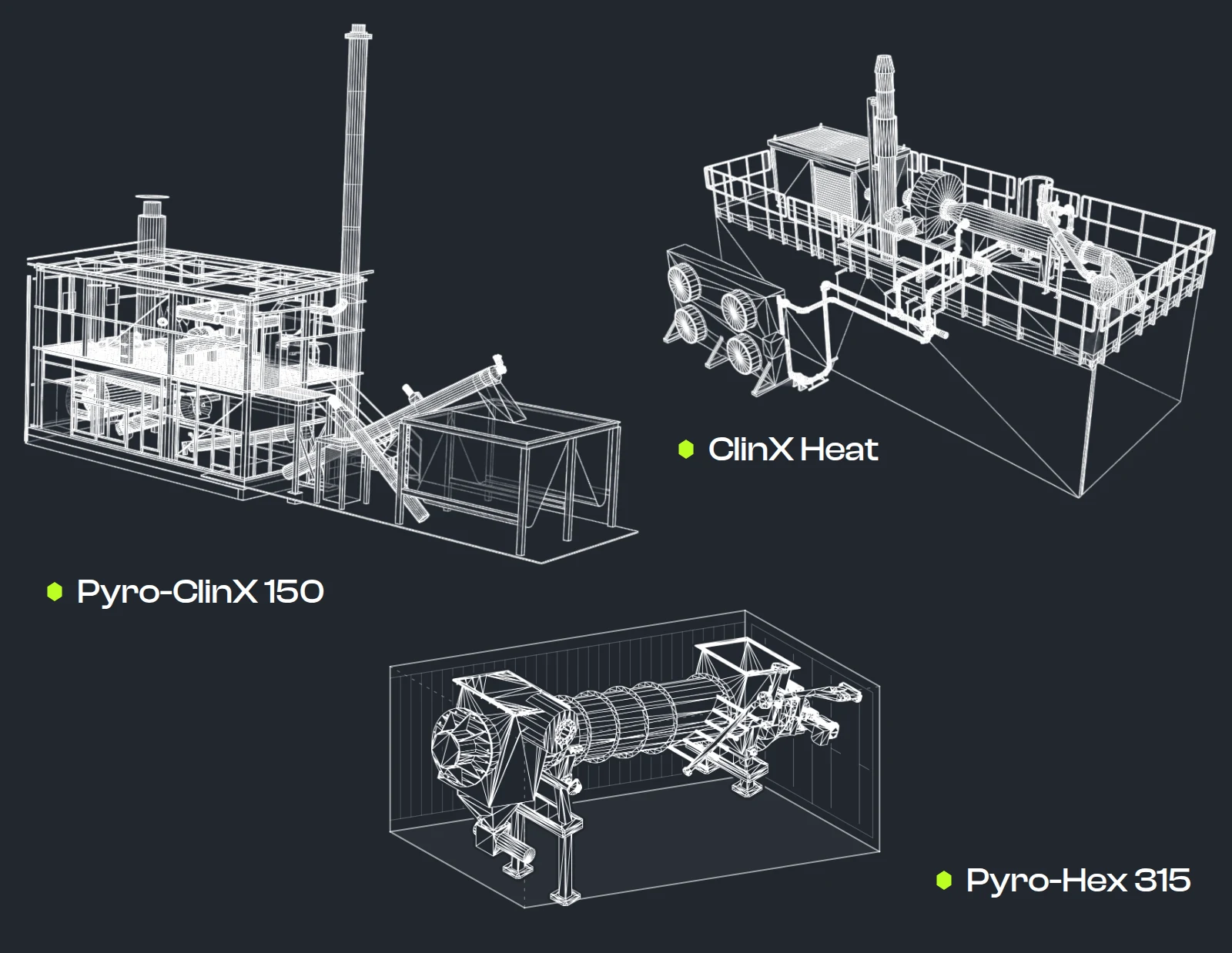
[ Building blocks ]
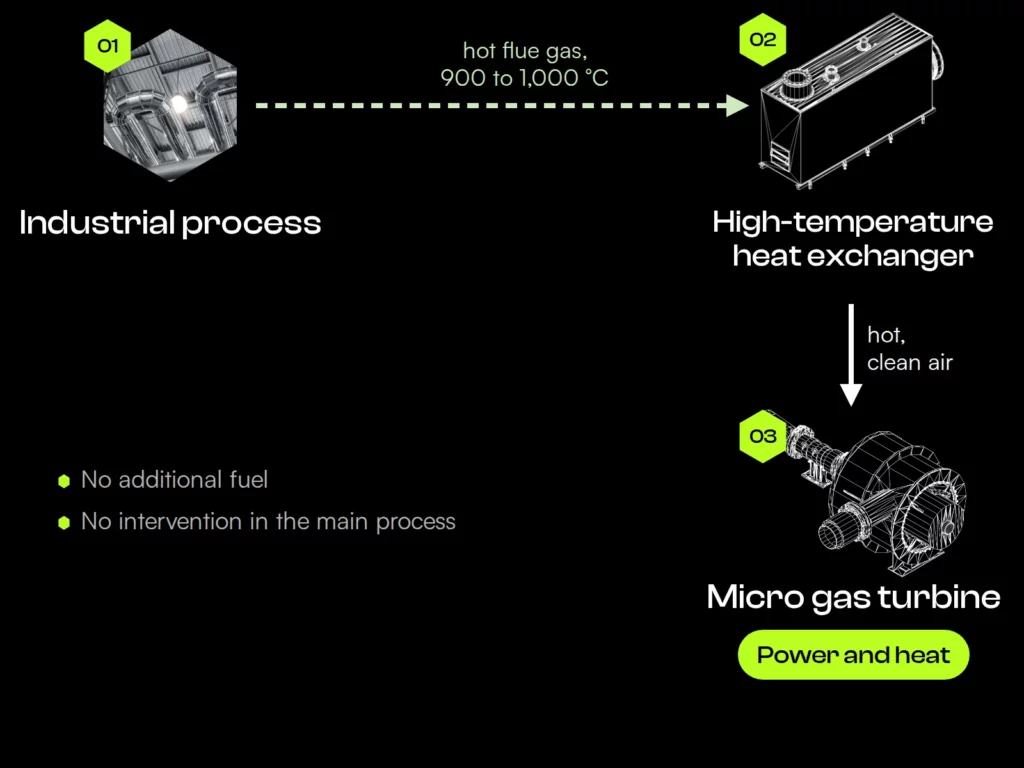
Two core technologies
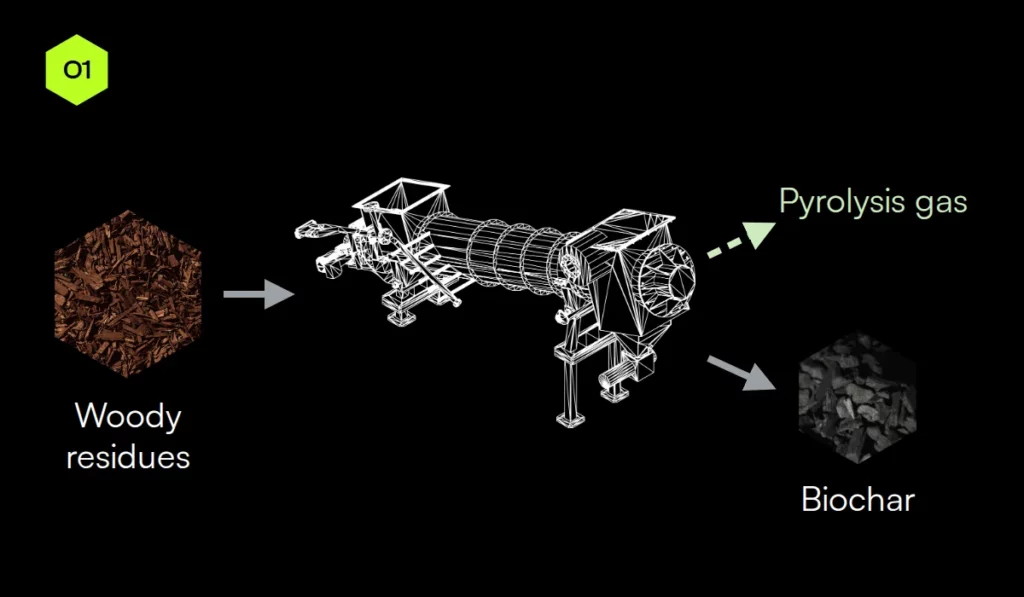
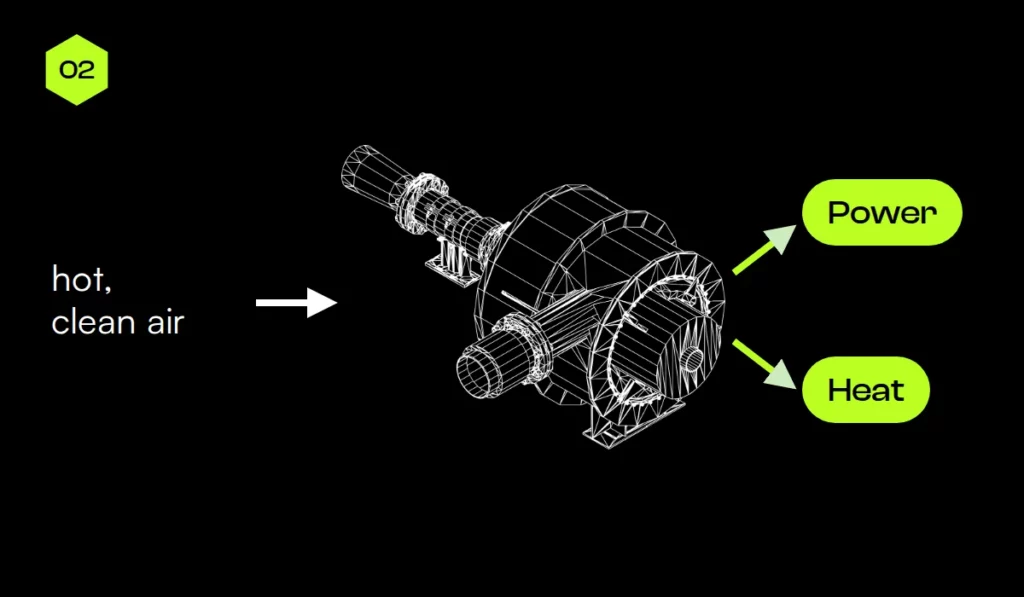
[ Systems ]
Three systems, depending on the task
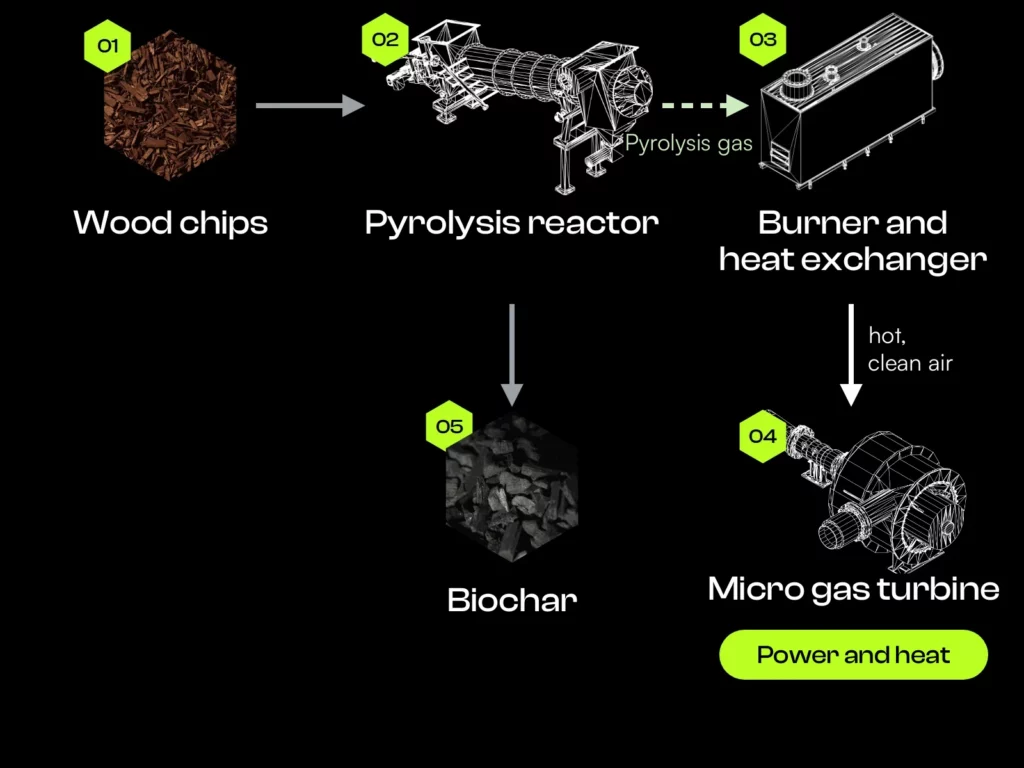
[ Differences ]
How the systems differ
| Pyro-ClinX 150 | Pyro-Hex 315 | ClinX Heat | |
|---|---|---|---|
| Building blocks | Pyrolysis and micro gas turbine | Pyrolysis and heat exchanger | Waste heat and micro gas turbine |
| Feedstock | Woody residues | Woody residues | Hot flue gas from the process |
| Power | |||
| Heat | |||
| Biochar | |||
| CO₂ certificates | |||
| Typical use | Power and heat around the clock for businesses and municipalities | Large amounts of heat for heating networks, farms and businesses | Industry with hot waste heat, for example glass, ceramics and metal |
[ Selection ]
Which system fits
What matters is what the site needs and which heat source is available.
[ Goal ]
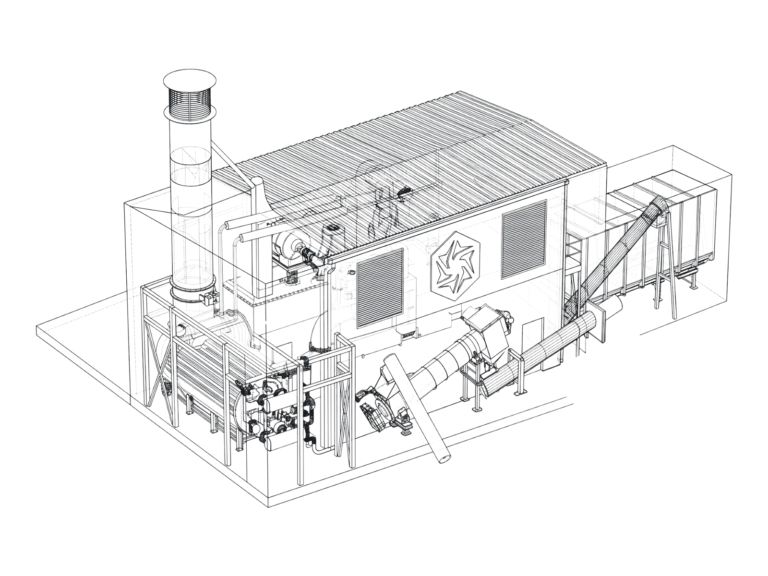
Power, heat and biochar from woody residues
› Power and heat around the clock
› Biochar and CO₂ certificates as additional revenue
› Air-bearing micro gas turbine without oil
Pyro-ClinX 150
[ Goal ]
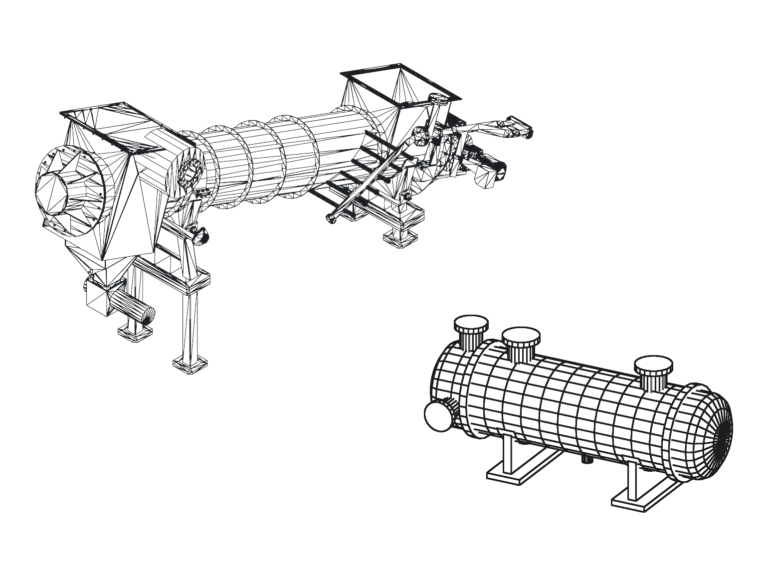
Mainly heat, plus biochar
› Hot water or process heat in base load
› Biochar and CO₂ certificates as additional revenue
› For sites with high heat demand
Pyro-Hex 315
[ Starting point ]
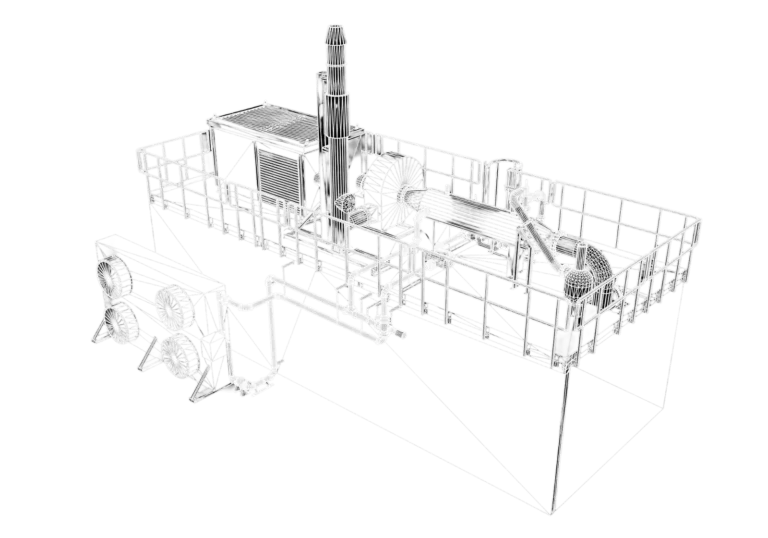
A process releases hot waste heat
› Power and heat from existing waste heat
› No additional fuel
› No intervention in the main process
ClinX Heat
Your own residues and your own power demand are not a prerequisite: we source the fuel regionally, and power can be fed into the grid.
[ Micro gas turbine ]
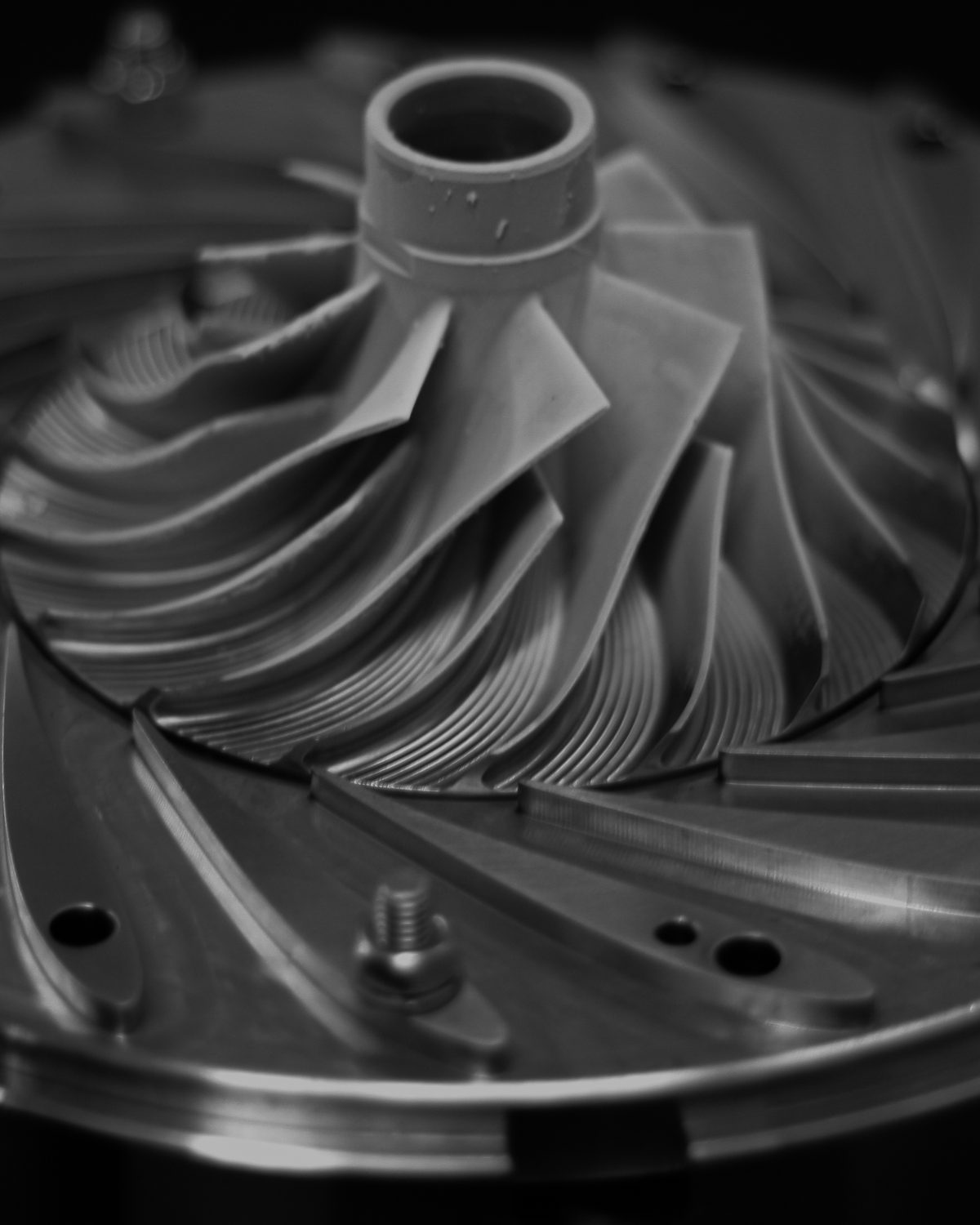
Externally fired, built for continuous operation
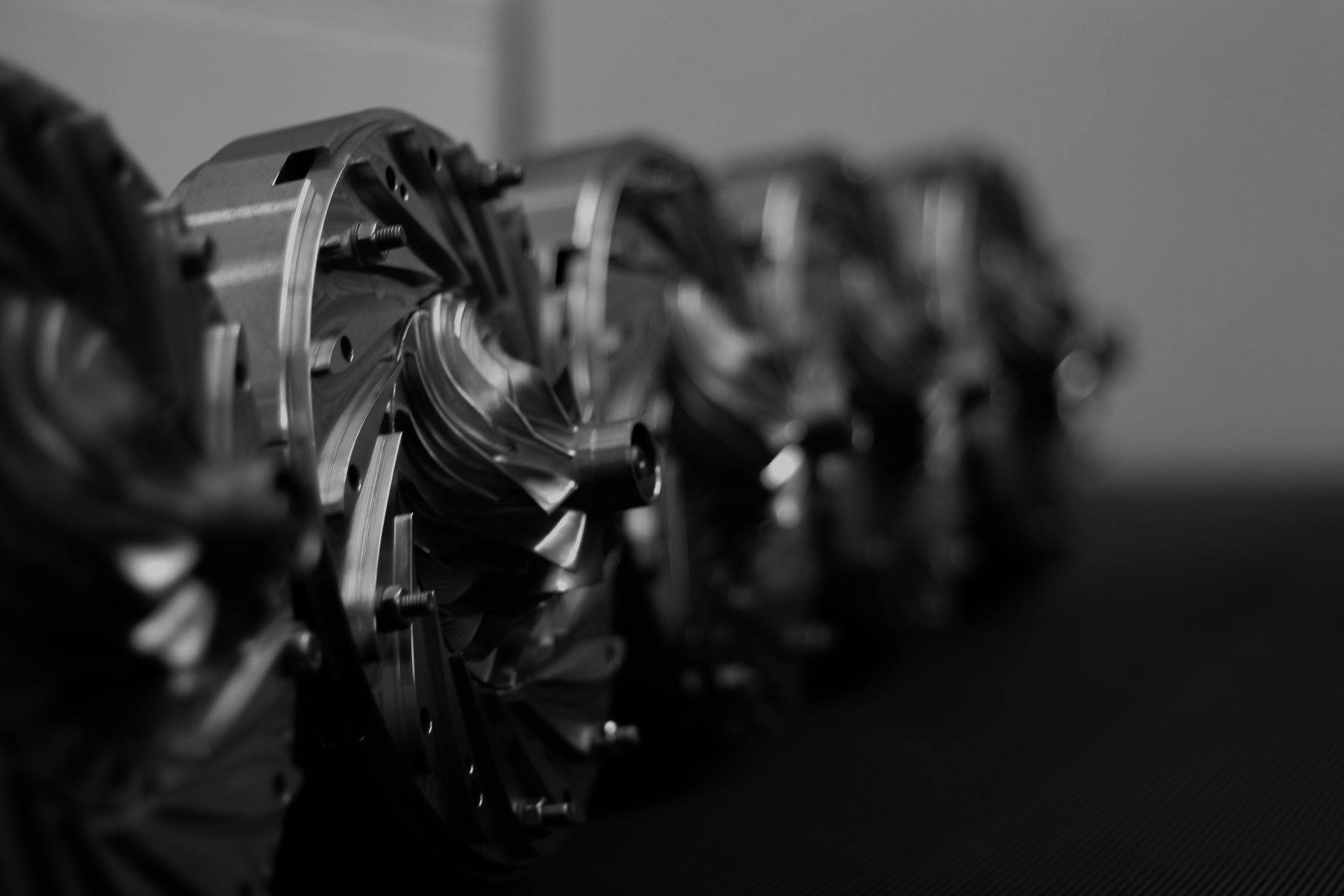
At the heart of Pyro-ClinX 150 and ClinX Heat is our externally fired micro gas turbine. Combustion takes place outside the turbine; only hot, clean air flows through it.
› No contact with pyrolysis gas or process exhaust
› Air bearings without lubricating oil
› Developed further in Germany since 2012
[ Projects ]
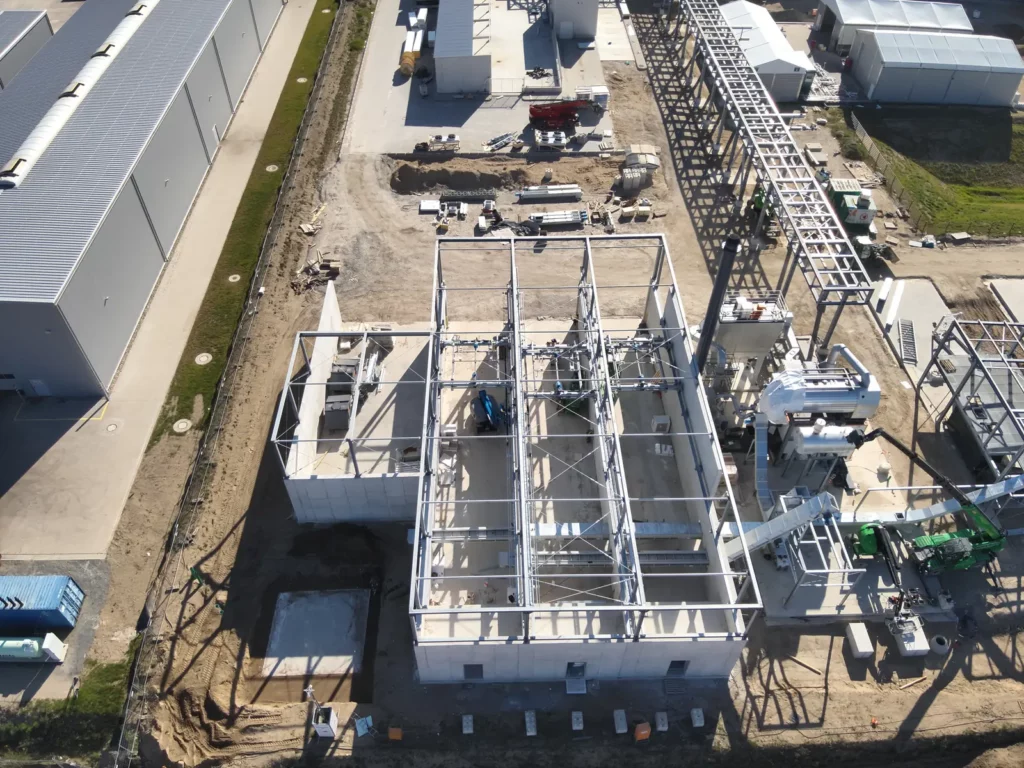
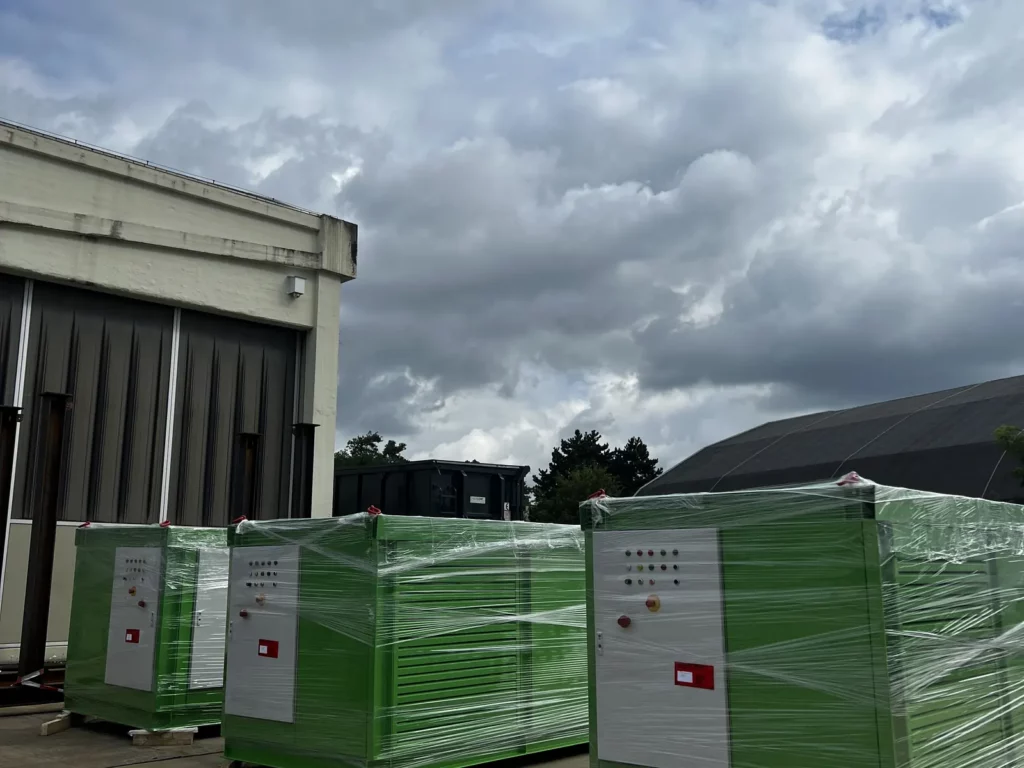
Projects in practice
[ FAQ ]
Frequently asked questions about the technology
01 What is the difference between Pyro-ClinX 150 and Pyro-Hex 315?
Both use pyrolysis and produce biochar. Pyro-ClinX 150 also generates power with the micro gas turbine. Pyro-Hex 315 is designed for heat and delivers it via a heat exchanger as hot water or process heat.
02 What is the difference between Pyro-ClinX 150 and ClinX Heat?
Both use the same externally fired micro gas turbine. Pyro-ClinX 150 obtains the heat from pyrolysis gas, ClinX Heat from the hot waste heat of an industrial process. Biochar is only produced by Pyro-ClinX 150.
03 Do we need our own residues or our own power demand?
No. Your own wood residues lower fuel costs, but they are not a prerequisite. We source the fuel regionally, and power can be fed into the grid.
04 Can several plants be combined?
Yes. Several Pyro-ClinX plants can operate as a cluster at one site, for example for more output. We clarify which combination fits in the preliminary project phase.
05 What happens to the biochar?
You use the biochar yourself or sell it. On request, we handle the sale of biochar and CO₂ certificates.
06 How do we find out which system fits?
In a free initial consultation we clarify demand, fuel and site. In the preliminary project phase we assess technology and economics using your figures.
 info@pyro-power.com
  +49 355 866 870 82
  pyropower GmbH