
Energy from your own farm
Electricity, heat and biochar
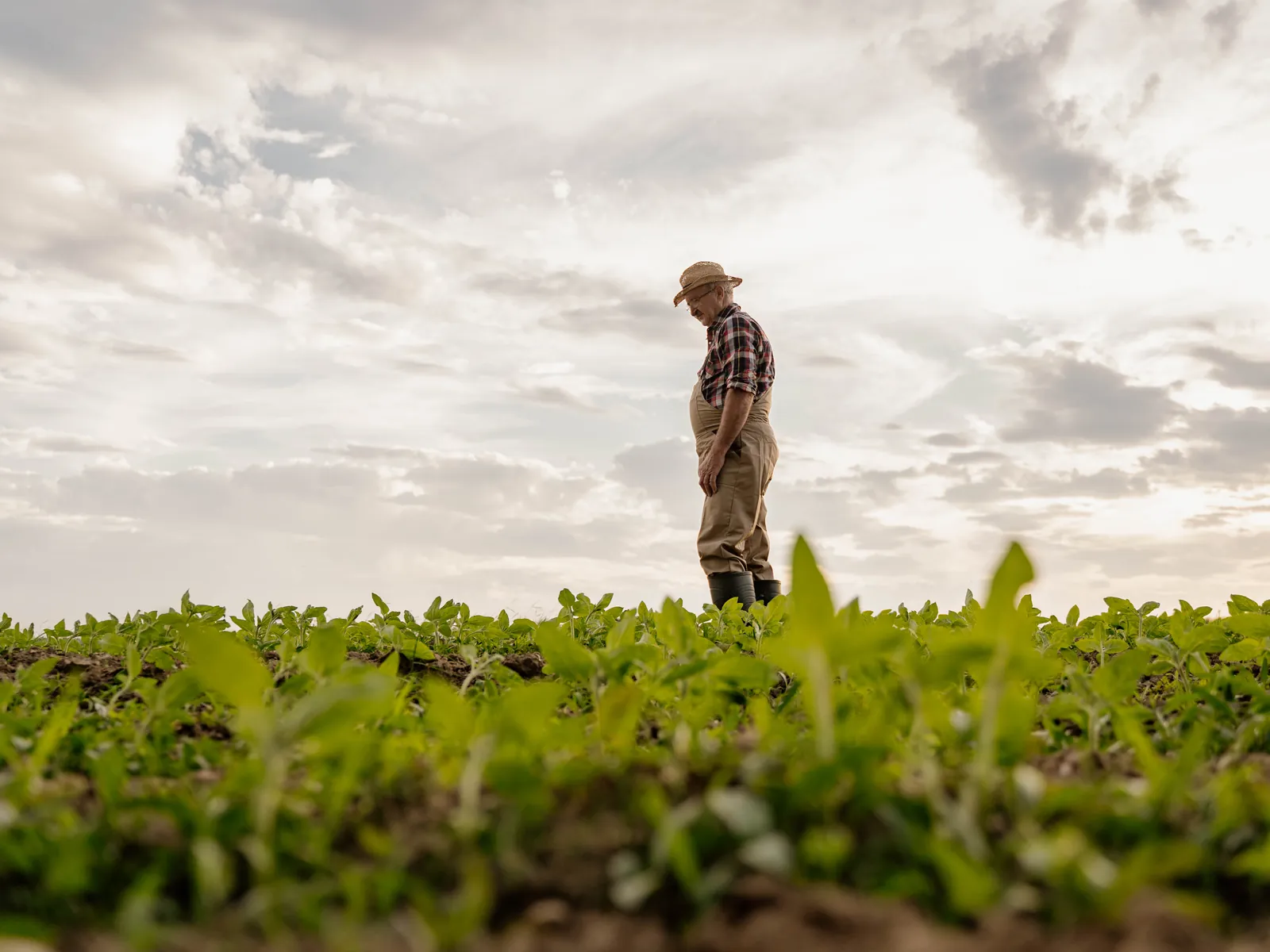
Farm, barn and dryer need energy all year round. A pyrolysis plant generates it from wood chips from your own farm.
[ Farm cycle ]
Everything stays on the farm
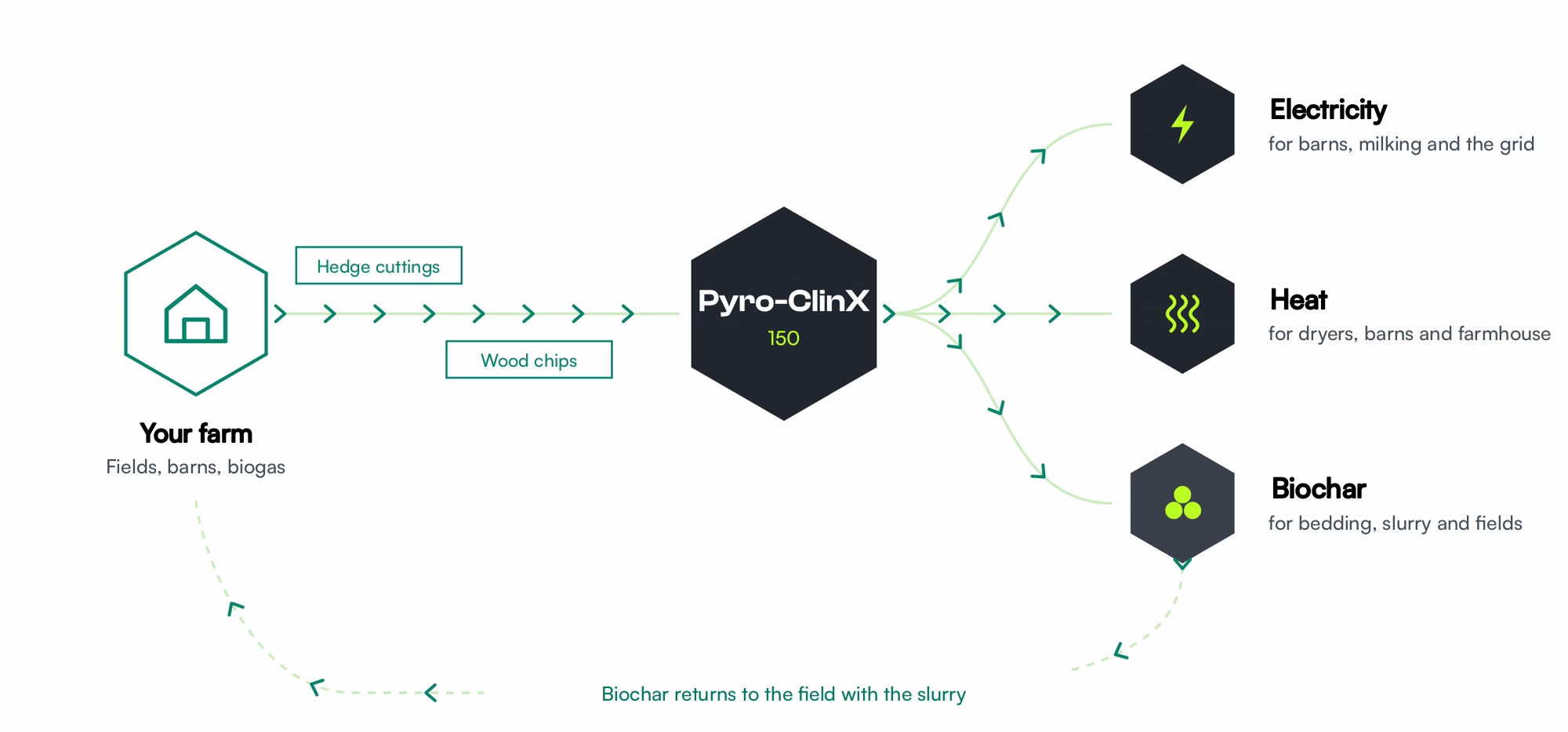
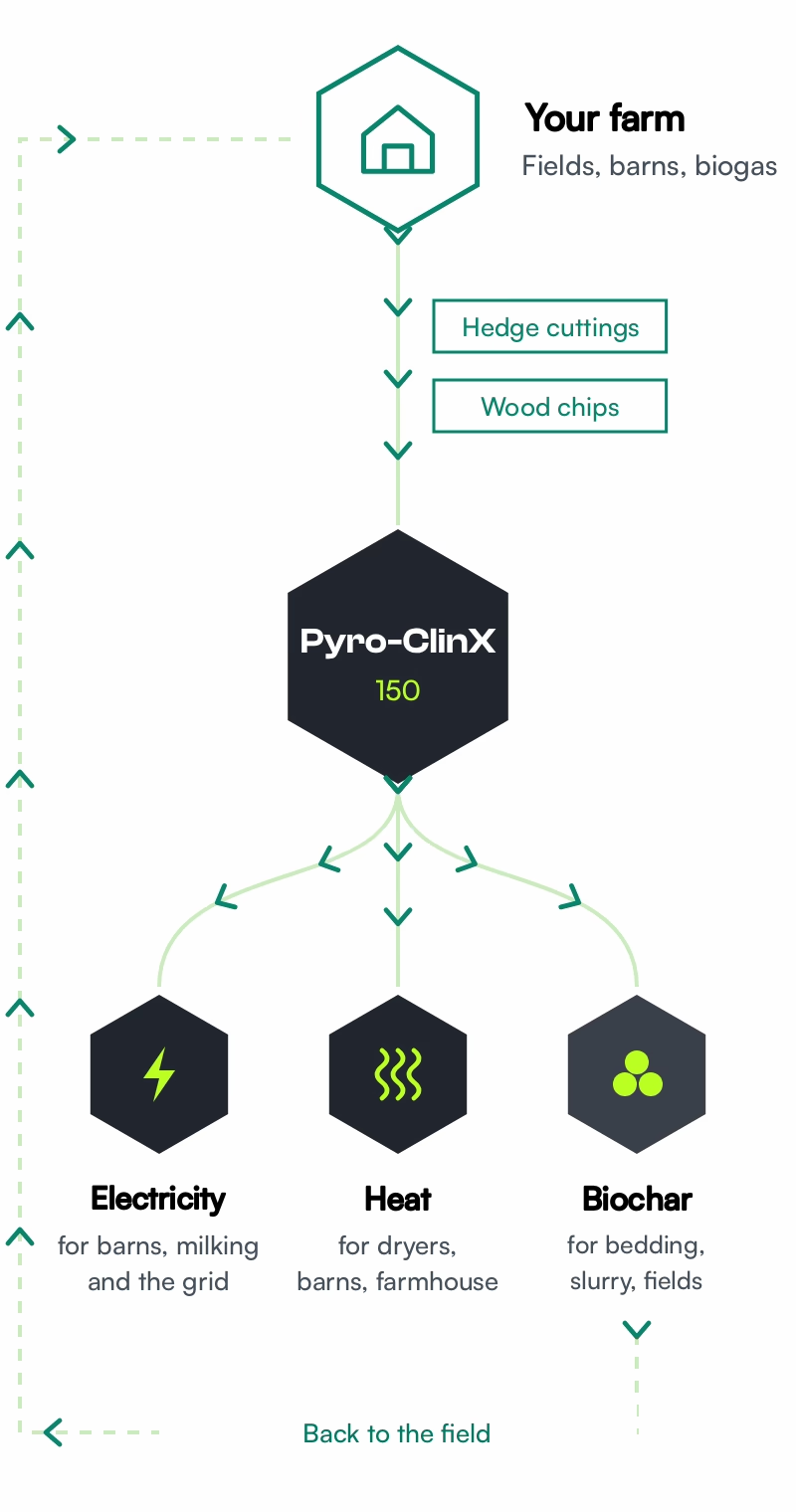
Wood chips go into the Pyro-ClinX 150. Electricity and heat supply the farm, barn and dryer, and the biochar returns to the field via the barn and slurry.
[ Grain drying ]
Drying without heating oil
In summer, the farm hardly needs any heat, but the plant still supplies it. A dryer with a hot-water coil turns it into dry grain.
› Pyro-ClinX 150: 150 kW gross electrical output and up to 450 kW of heat
› Drying air at 45 to 75 °C for grain and grain maize
› Also for contract drying for neighbouring farms
[ Biochar on the farm ]
From the barn to the field
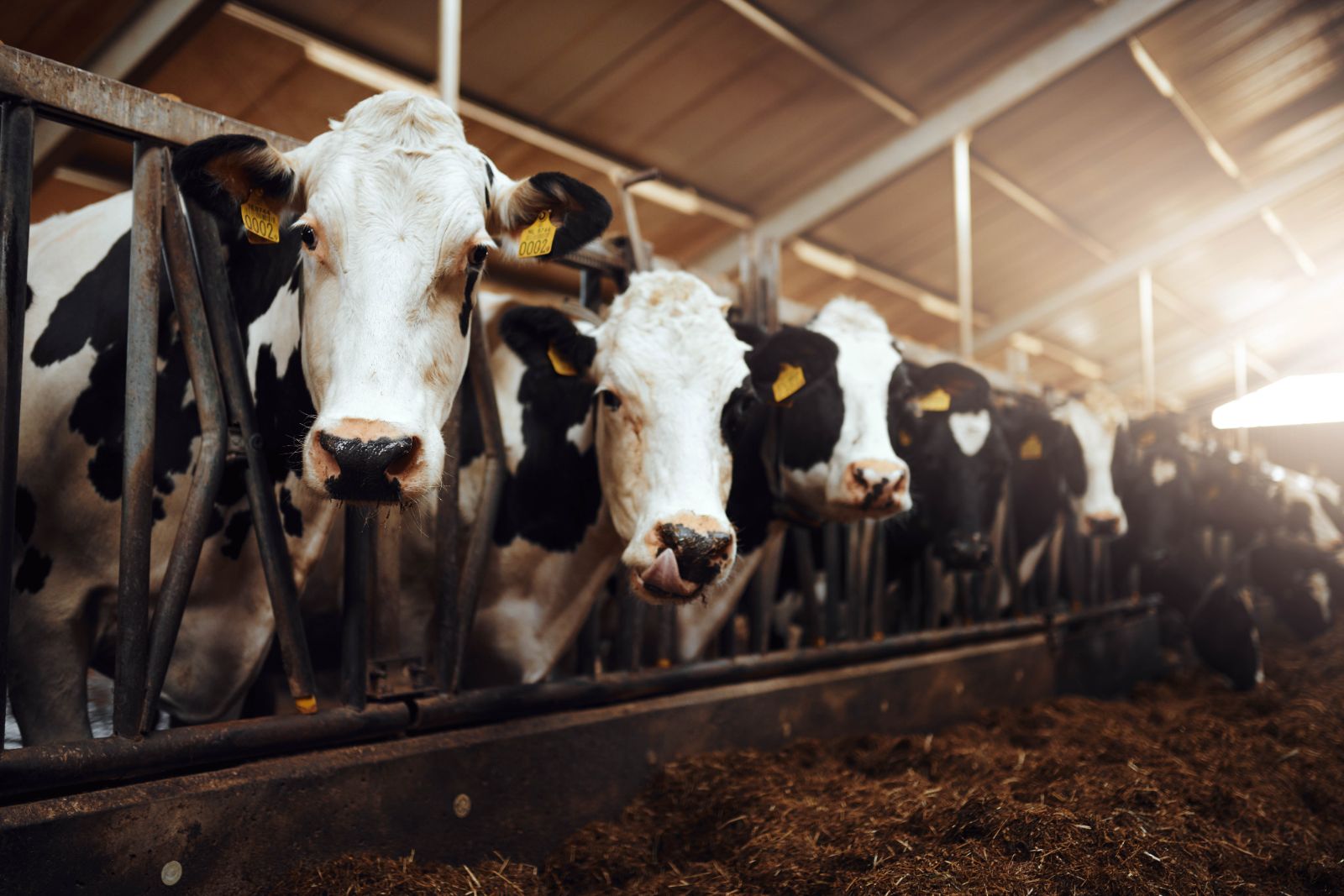

In the barn
In bedding, it binds moisture and nutrients.

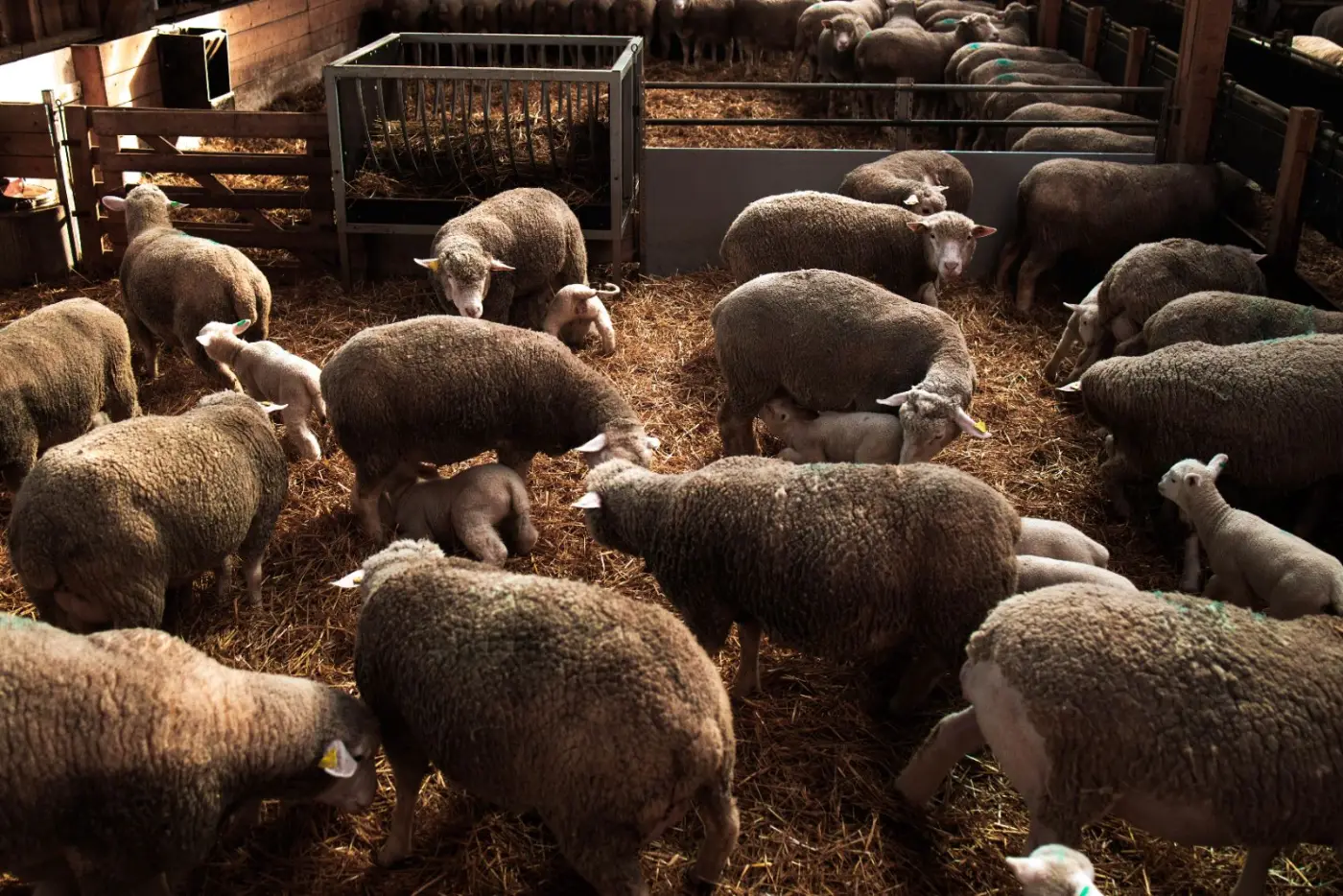
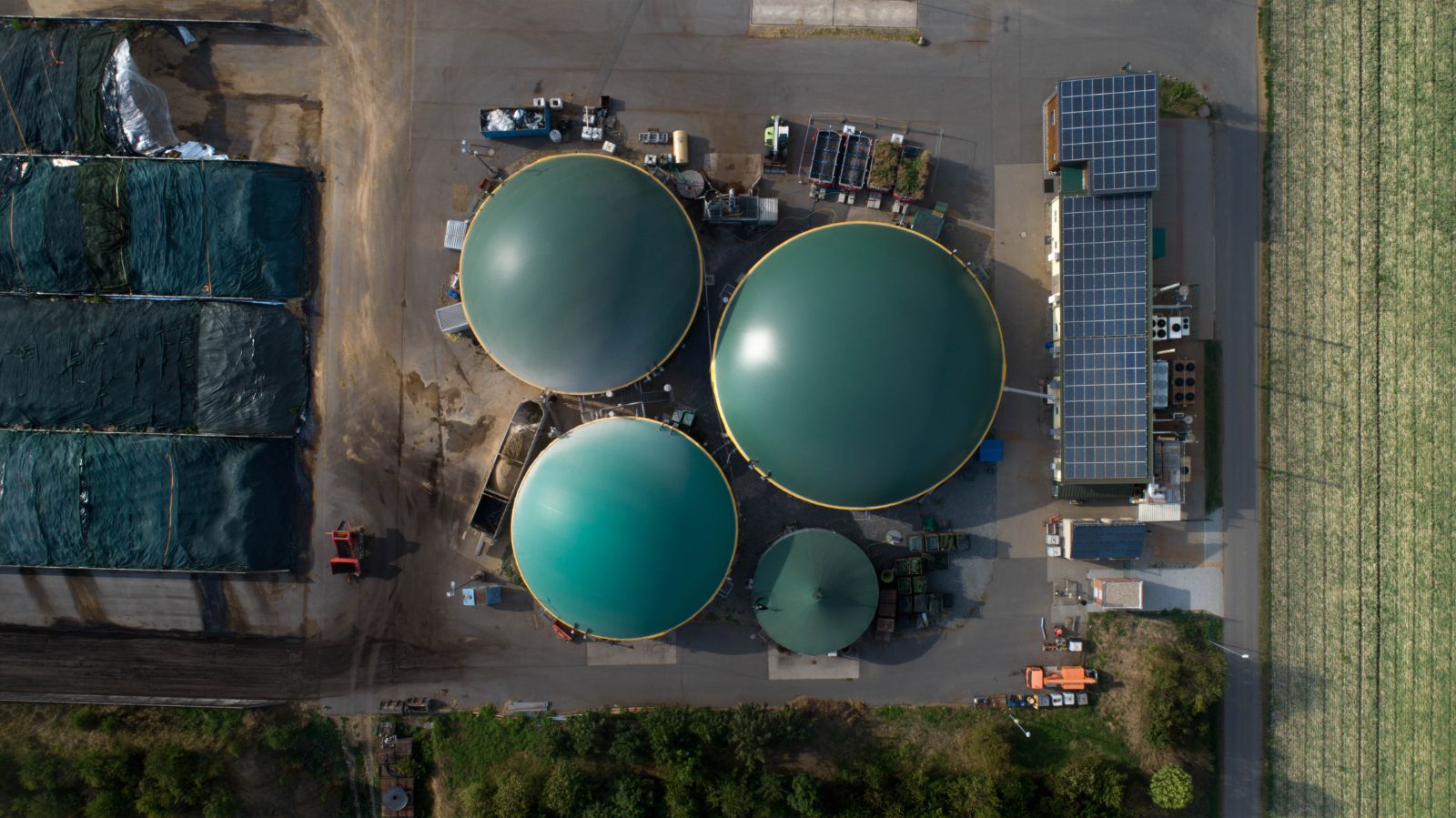
In slurry and digesters
There it becomes further charged and can support the biogas plant.

In the field
It retains water and nutrients, especially on light soils.

Offtake
Whatever the farm does not use itself, pyropower buys, including the CO₂ certificates.


[ Project support ]
Your route to a plant
We calculate early with your real figures: land, livestock, biogas plant, demand and harvest. Then we plan the plant, dryer, permits and funding together with you.
What this looks like in an example is shown in our article Biochar plant on a farm: costs and returns.
[ Frequently asked questions ]
Pyrolysis on the farm
01 Which fuels are suitable?
Wood chips G30 to G45, including hedge and tree cuttings from the farm. The solid phase of digestate can be added in part if analysis and test pyrolysis confirm this.
02 What does a Pyro-ClinX 150 deliver per year?
At 8,000 operating hours, around 1,200 MWh of gross electricity, around 2,600 MWh of heat as hot water at 90/70 °C and around 600 tonnes of biochar. It needs around 3,780 tonnes of wood chips for this, about three truckloads a week.
03 How much of the heat does a farm use?
In our model calculation for a farm with 300 ha and dairy cattle, around 35 % without a dryer, 41 % with its own harvest and 52 % with contract drying for neighbouring farms. You use the electricity yourself or feed it into the grid.
04 Does a pyrolysis plant pay off for a farm?
In the same model calculation, the payback period is around seven years, slightly less with a dryer. For the Pyro-ClinX, 3 to 8 years is typical. We calculate with your figures for your farm; this is not a guarantee.
05 May I use the biochar on my own farm?
That depends on the route: feed, bedding, slurry, compost or directly on the land. Our whitepaper summarises the rules. The responsible authorities decide on each individual case.
06 What quality is the biochar?
It meets the EBC standard. From untreated wood, all classes are possible, including for feed and organic farming. With digestate, feed classes are not possible.
07 What does biochar do in the field?
It has the most effect on light, acidic or dry soils, because it retains water and nutrients there. On good loam soils, the effect is small. 0.5 to 2 tonnes per hectare and year are common, and the effect depends on the site.
08 What if the farm mainly needs heat?
Then the Pyro-Hex 315 is the right fit. It uses the same pyrolysis without a turbine, supplies around 750 kW of heat and the same amount of biochar with a lower investment.
 info@pyro-power.com
 +49 355 866 870 82
 pyropower GmbH