
Externally Fired Micro Gas Turbine: How the Technology Behind Pyro-ClinX and ClinX Heat Works
25.09.2026
Externally Fired Micro Gas Turbine: How the Technology Behind Pyro-ClinX and ClinX Heat Works
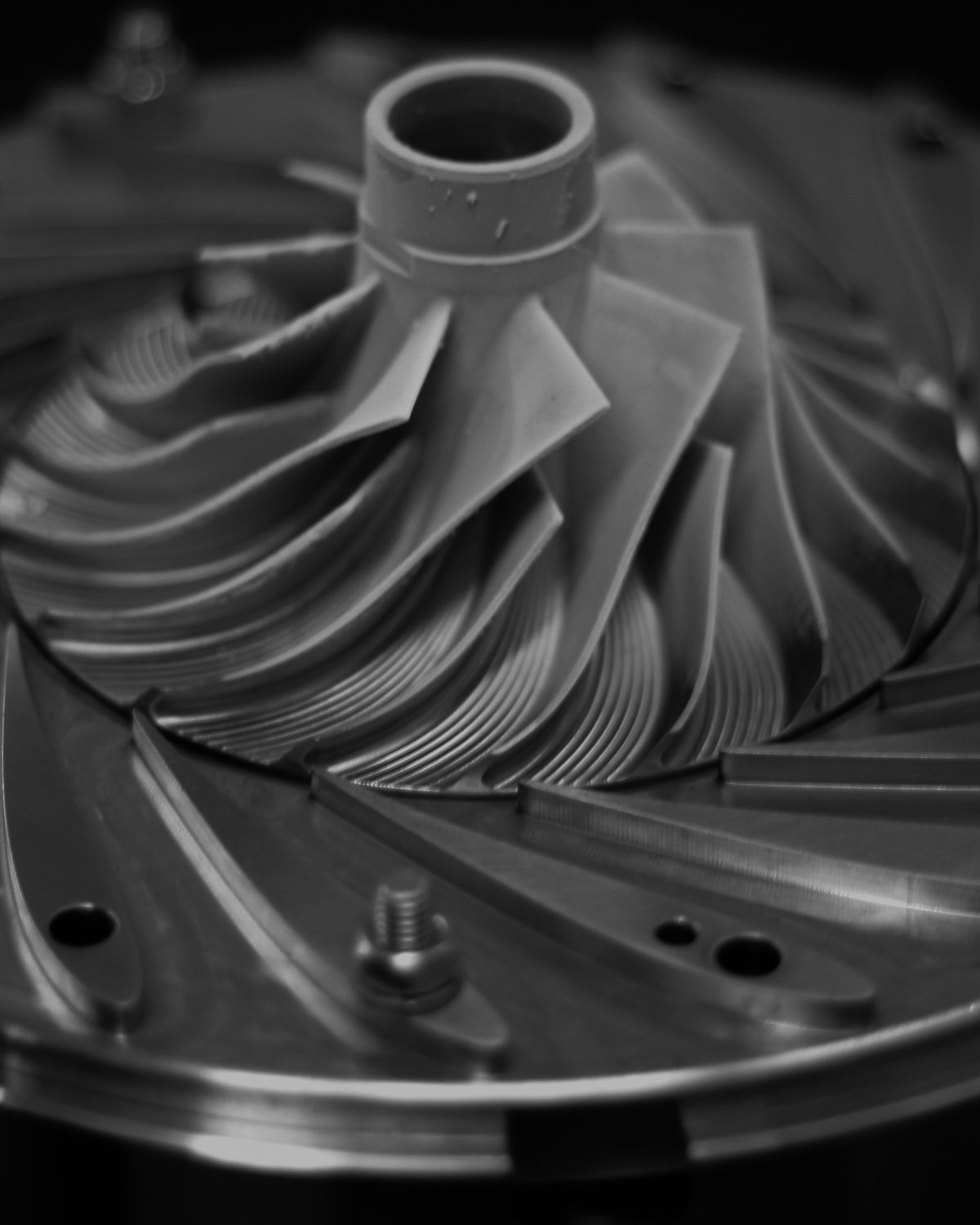
An externally fired micro gas turbine (EFGT) is not driven by fuel gas but by hot, clean air. The heat for this is generated outside the turbine, for example by oxidising pyrolysis gas or in an industrial furnace, and is transferred to the compressed air via a high-temperature heat exchanger. Because it is externally fired, the turbine never comes into contact with the flue gas.
The Pyro-ClinX system and ClinX Heat are based on this principle. In this article we explain how the technology works, what advantages and limits it has and when it pays off.

Sebastian Kießling
Managing Director Technology, pyropower GmbH

Key points at a glance
- In an externally fired micro gas turbine, only clean, hot air flows through the turbine. The heat comes from outside via a heat exchanger.
- This makes it possible to use heat sources that are unsuitable for conventional gas turbines or engines: pyrolysis gas, dust-laden exhaust gases or hot process air.
- The turbine stays clean. Air bearings without oil or lubricants reduce maintenance effort.
- Electrical efficiency is lower than with a directly fired gas turbine. The technology plays to its strengths where power and heat are used together.
The principle: heat from outside, air as the working medium
A conventional gas turbine burns gas in a combustion chamber directly in front of the turbine wheel. The hot combustion gases drive the turbine. This only works with clean, consistent fuel gas such as natural gas.
The externally fired micro gas turbine separates the heat source and the turbine:
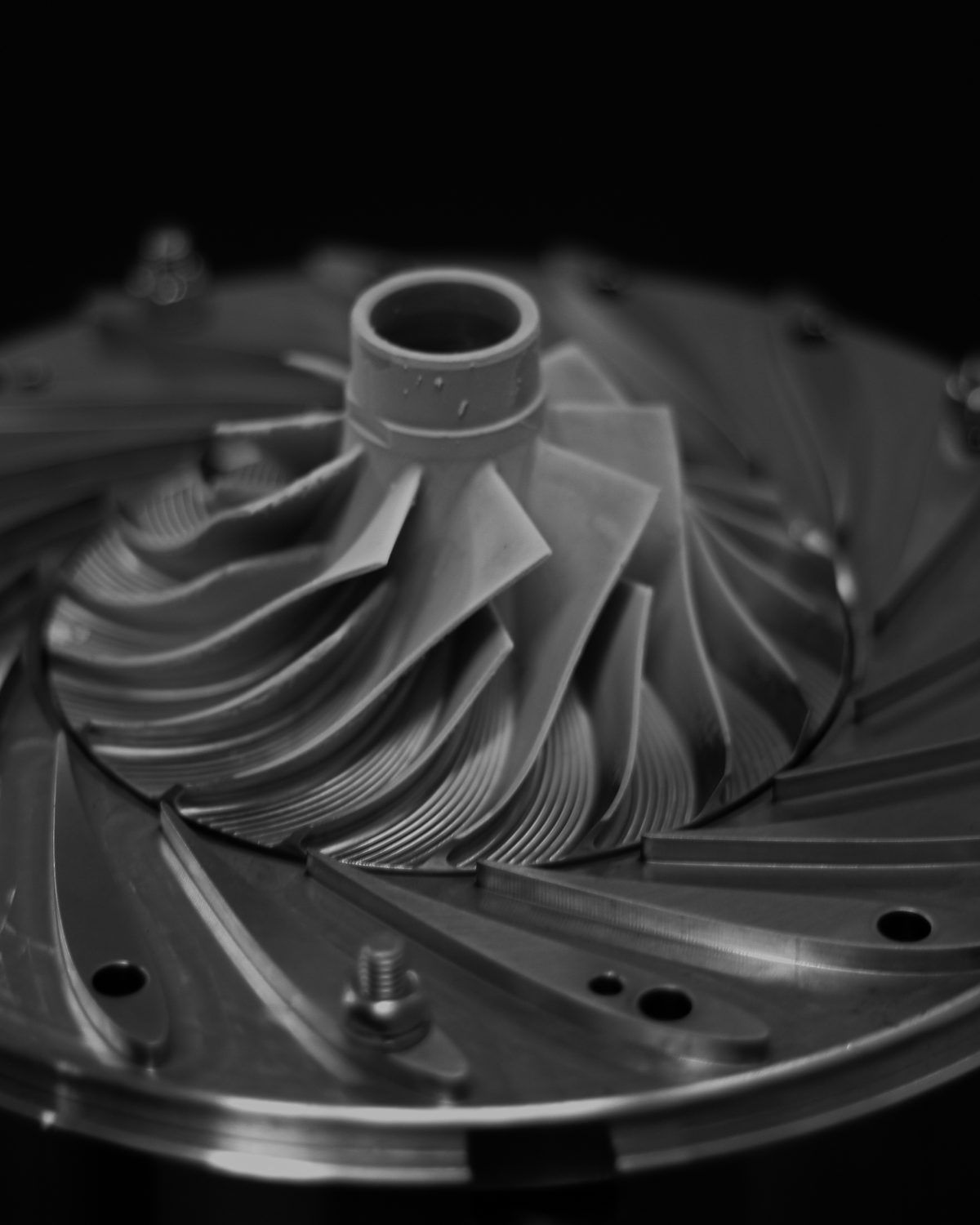
- 1. Compression: the compressor wheel draws in ambient air and pressurises it.
- 2. Heating: the compressed air flows through a high-temperature heat exchanger and absorbs the heat of the flue gas. Air and flue gas remain separate.
- 3. Expansion: the hot air expands across the turbine wheel. Via the shaft, the turbine drives the generator and power is produced.
- 4. Using the heat: the still warm exhaust air is used further, for example as preheated combustion air (recuperation) or as useful heat via an economiser.
In thermodynamic terms this is an open Joule cycle in which heat is not supplied internally but across a wall.
Why fire externally?
The detour via the heat exchanger has a clear reason: the turbine only sees clean air. This results in several advantages.
- Difficult heat sources become usable: pyrolysis gas contains tars and particles, industrial exhaust gases often contain dust and corrosive components. For engines and directly fired turbines these gases would have to be cleaned at great effort. With the externally fired turbine this is not necessary.
- Little wear: without contact with flue gas there are no deposits and no corrosion on the compressor and turbine wheel.
- No oil: our micro gas turbines run on air bearings. Lubricating oil, oil changes and oil-related failures are eliminated.
- Fuel-flexible: the turbine does not notice where the heat comes from. Wood residues, other residues or waste heat from an industrial process are possible as long as the temperature is right.
Where the limits are
The air temperature upstream of the turbine cannot be higher than what the heat exchanger can withstand in continuous operation. With metallic heat exchangers this limit is well below the inlet temperatures of modern, directly fired gas turbines. That is why electrical efficiency is lower.
The technology is economical above all when the heat is also used. With ClinX Heat, gross electrical efficiency is 19.9 %; together with the heat extracted, the plant achieves an overall efficiency of 72 %. Micro gas turbines cover an output range of up to about 250 kW electrical. For larger outputs, several modules are combined.
Where the technology is used
Pyrolysis with combined heat and power: in the Pyro-ClinX system, wood chips are turned into pyrolysis gas and biochar. The gas is oxidised flamelessly in the FLOX combustion chamber, and the heat drives the turbine via the heat exchanger. This produces power, heat and biochar in one plant. More on the Pyro-ClinX page.
Converting waste heat into power: ClinX Heat uses exhaust gases at 900 to 1,000 °C from furnaces and high-temperature processes, for example in the glass, ceramics or metal industry, and turns them into power and useful heat without additional fuel. More on the ClinX Heat page.
Frequently asked questions
What is the difference between an externally and a directly fired gas turbine?
In a directly fired gas turbine, the combustion gases flow through the turbine. In an externally fired turbine, the heat is transferred to clean air via a heat exchanger, and only this air flows through the turbine.
Which fuels are suitable?
In principle any heat source that delivers enough temperature: pyrolysis gas from wood residues, other biogenic residues or hot exhaust gases from industrial processes. We check whether a source is suitable based on temperature, output and dust content.
Does the turbine need gas cleaning?
No. Because the turbine does not come into contact with the gas, there is no need for the gas cleaning that engines or directly fired turbines would require.
How much maintenance does an externally fired micro gas turbine need?
Thanks to clean air and oil-free air bearings, maintenance effort is low. The plants run fully automatically and are monitored remotely.
Download
Pyro-ClinX product brochure
Technical data, feedstocks, products and the course of a project at a glance (PDF).
Download brochure (PDF, German)
 info@pyro-power.com
 +49 355 866 870 82
 pyropower GmbH